Industrial Power Control Environments
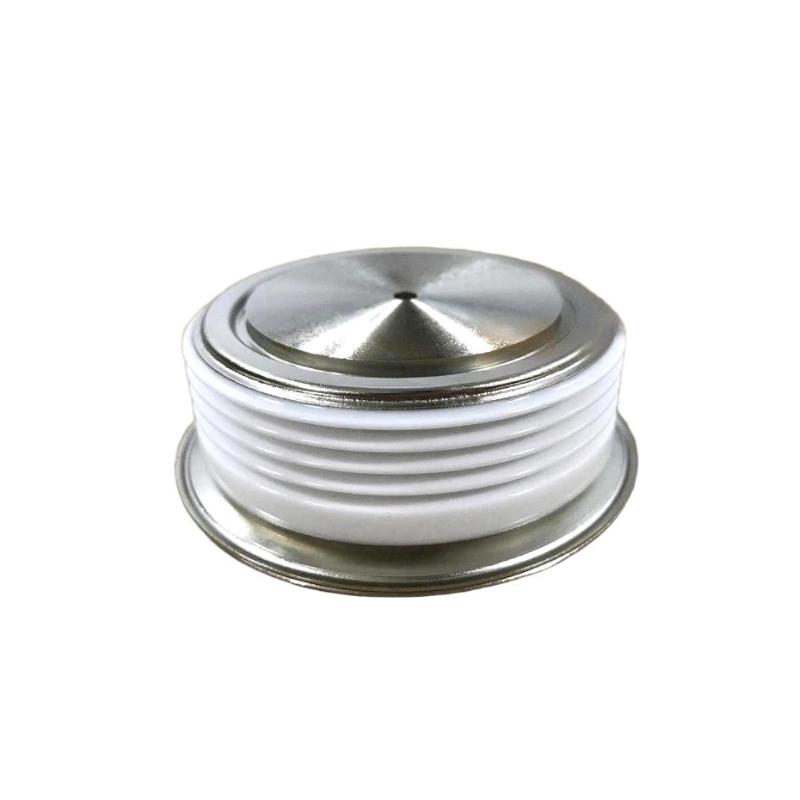
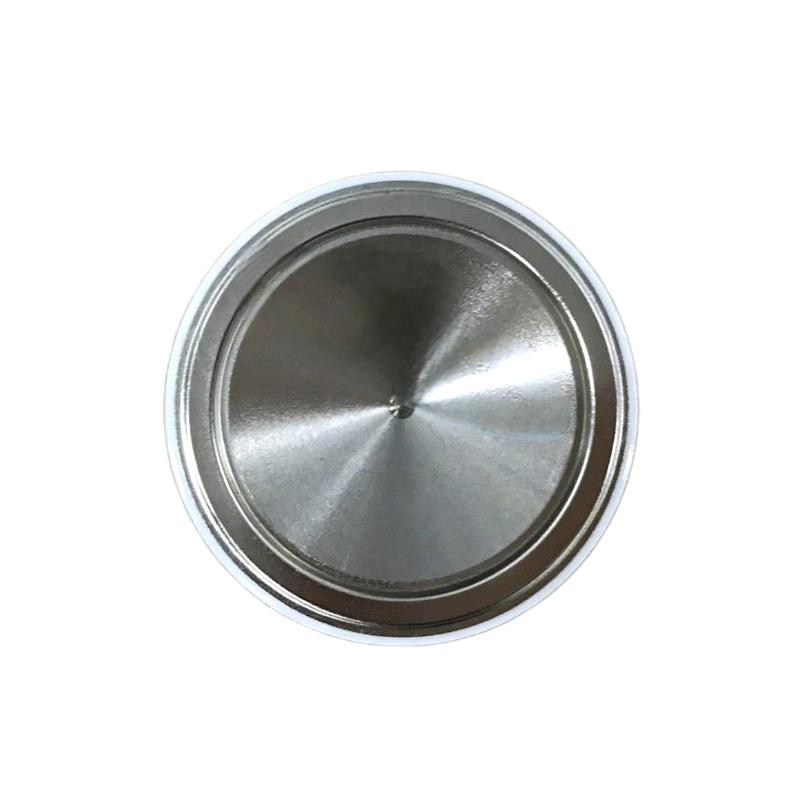
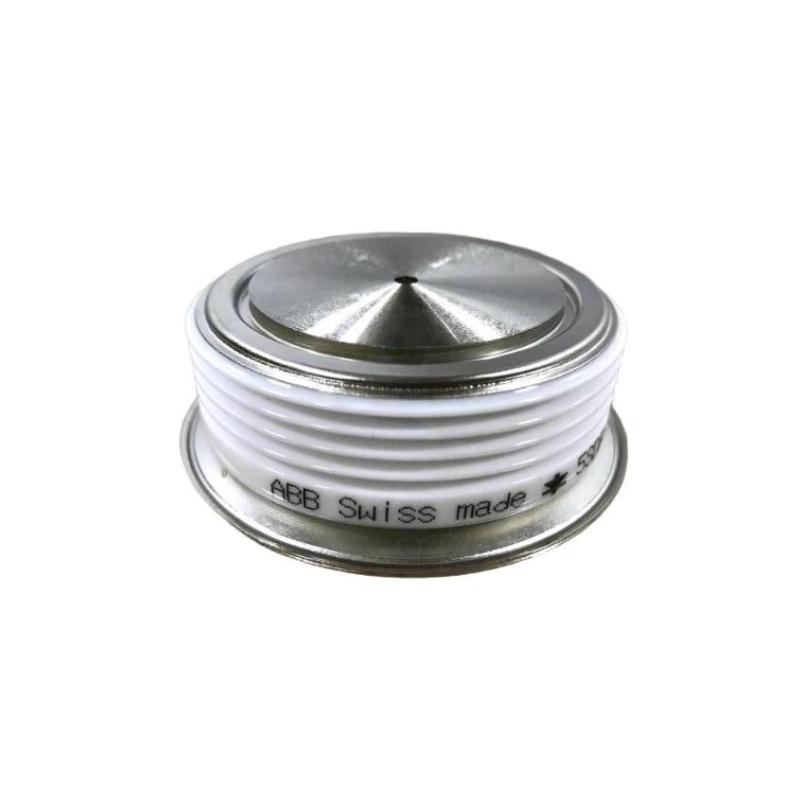
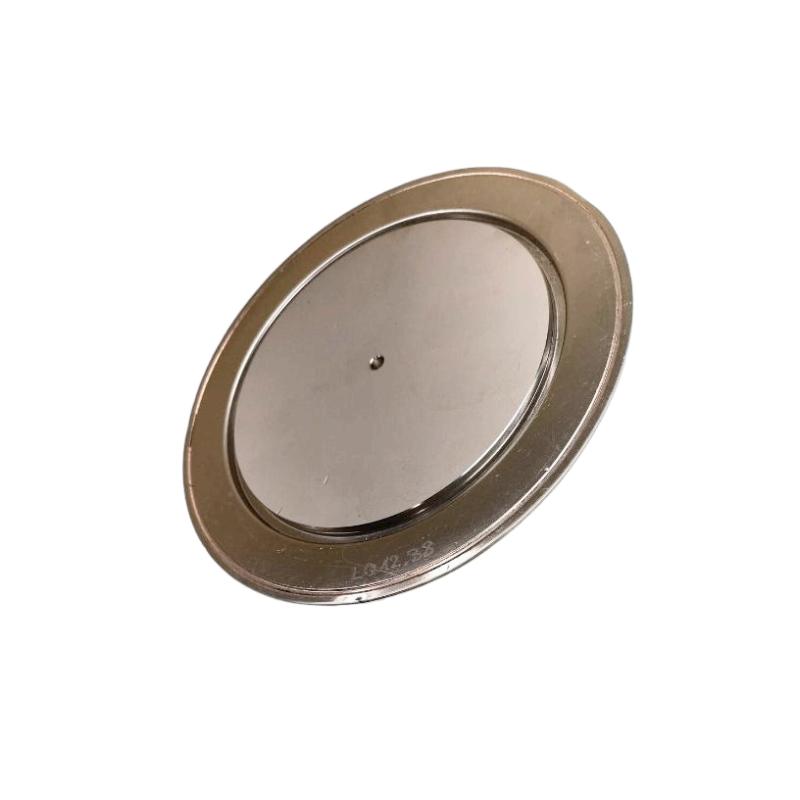
The ABB 5SDF1645L0001 Thyristor Module is designed for high-power industrial electrical systems where controlled switching and regulation of current are essential. Thyristor devices are widely used in heavy-duty power electronics, particularly in applications that demand reliable performance under high voltage and current conditions.
This module is commonly utilized in:
-
Industrial motor drive systems for heavy machinery
-
High-power rectifier units used in electrochemical processes
-
Steel manufacturing equipment such as rolling mills and furnaces
-
Power regulation systems in large industrial plants
-
Mining and mineral processing equipment requiring high-current control
In these systems, the thyristor module acts as a semiconductor switching device that allows precise regulation of electrical energy supplied to industrial equipment.
Operational Advantages for High-Power Systems
High Current Handling Capability
The module is designed to manage significant electrical loads, making it suitable for demanding industrial power applications.
Reliable Semiconductor Switching
Thyristor technology provides dependable switching performance, ensuring consistent control of electrical power in industrial circuits.
Integration with Power Electronics Platforms
The module can be incorporated into rectifiers, converters, and motor drive systems where controlled power delivery is required.
Robust Industrial Construction
Engineered for operation in industrial environments, the module maintains performance in systems operating continuously under heavy load.
Serviceable Modular Design
Its modular format allows maintenance teams to replace the unit during scheduled servicing of drive or power control equipment.
Technical FAQs
1. What is the function of the 5SDF1645L0001 thyristor module?
The module controls electrical power in high-current circuits by acting as a semiconductor switch that regulates current flow when triggered by a gate signal.
2. In which industrial systems are thyristor modules typically installed?
They are commonly used in motor drives, rectifiers, power converters, and other high-power electrical control systems.
3. How does a thyristor differ from a standard transistor switch?
A thyristor remains conductive after being triggered until the current drops below a specific threshold, making it ideal for high-power AC control applications.
4. What role does the module play in motor drive systems?
It helps regulate voltage and current delivered to motors, enabling precise control of speed and torque.
5. How is heat managed during operation?
The module is typically mounted on a heat sink or integrated cooling system to dissipate heat generated during switching operations.
6. What are common causes of thyristor module failure?
Overcurrent conditions, inadequate cooling, electrical surges, or prolonged operation beyond rated specifications can lead to failure.
7. Can this module be replaced individually within a system?
Yes. In most power electronics assemblies, individual thyristor modules can be replaced during maintenance without replacing the entire system.
8. How is the module triggered during operation?
A gate control signal from the system’s control circuit initiates conduction in the thyristor.
9. What safety precautions are required during servicing?
Technicians should isolate the power source completely and follow high-voltage safety procedures before handling the module.
10. Why are thyristors widely used in heavy industrial power systems?
They provide reliable high-power switching capability, long service life, and stable operation under demanding electrical loads.
 A DCS Q Co., Ltd. - PLC and DCS Industrial Control Equipment Wholesale