Industrial Deployment Overview
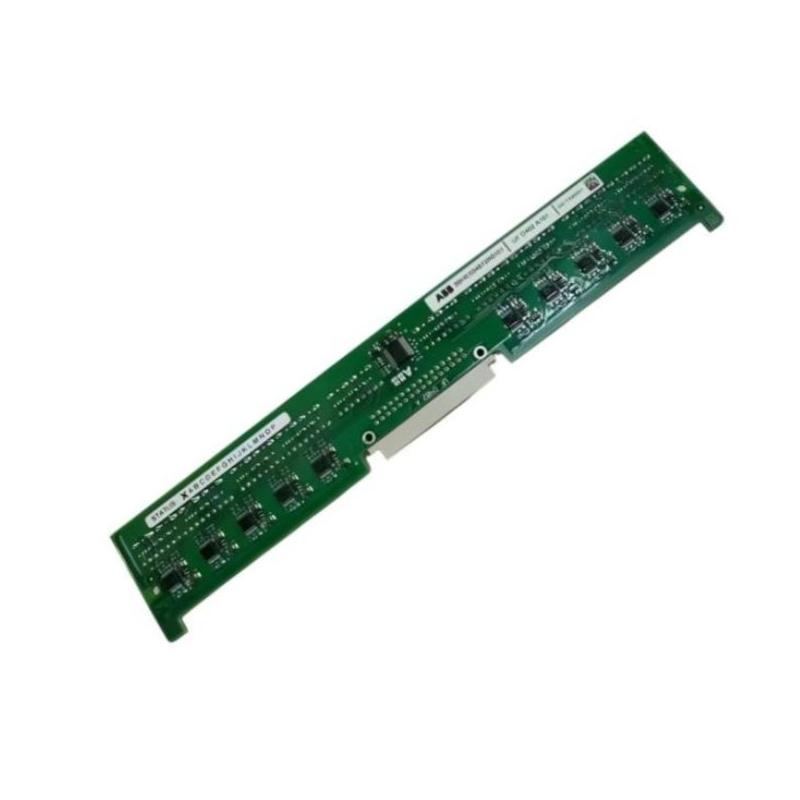
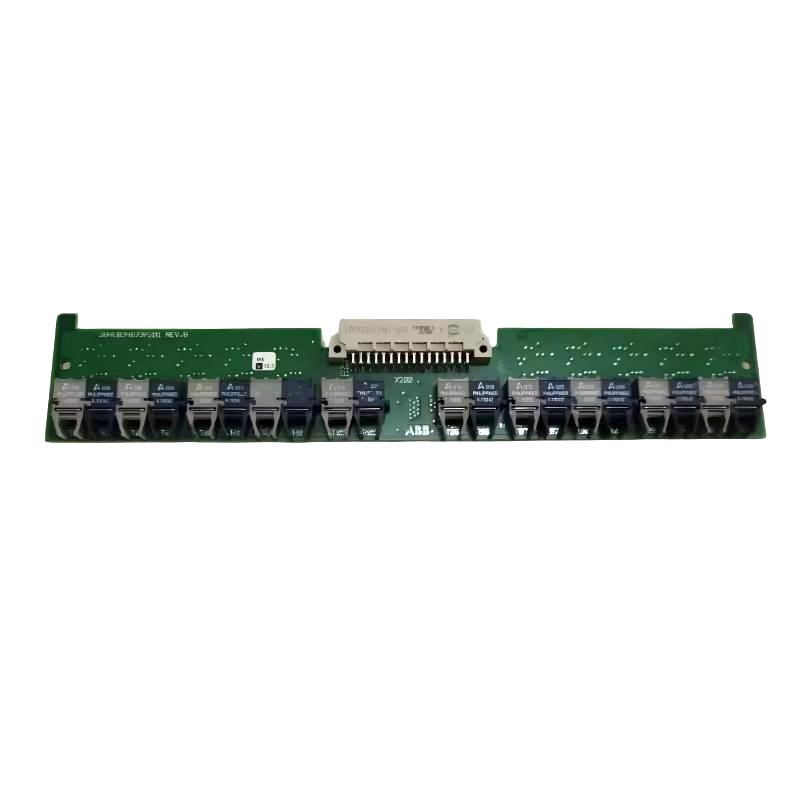
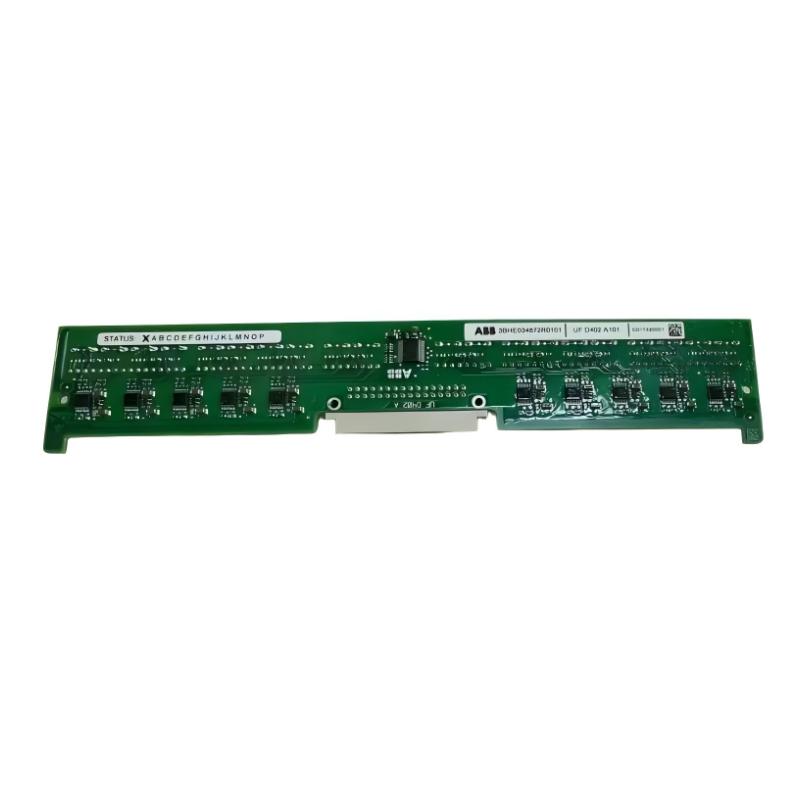
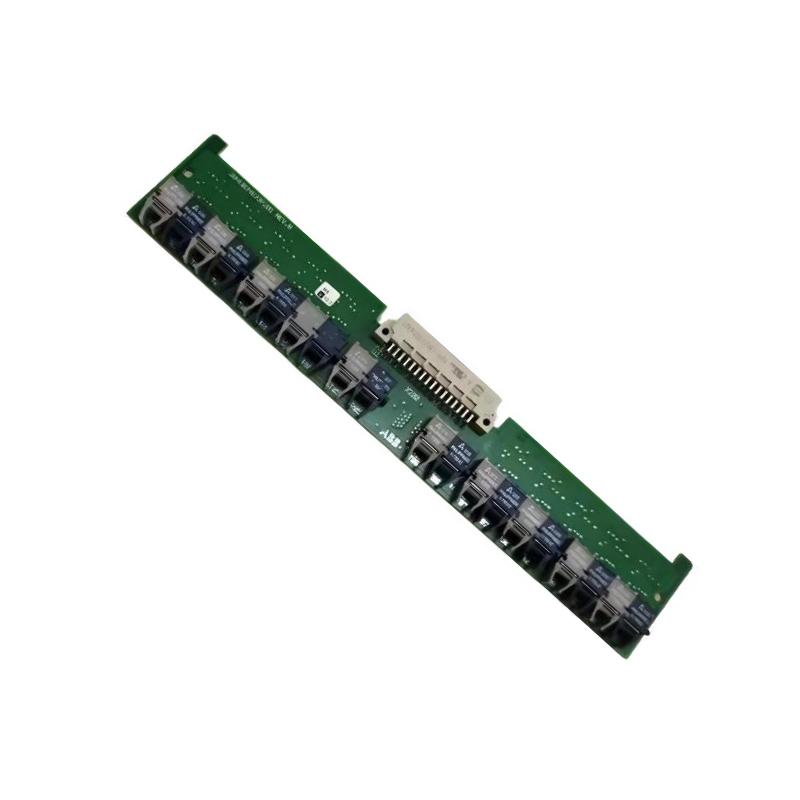
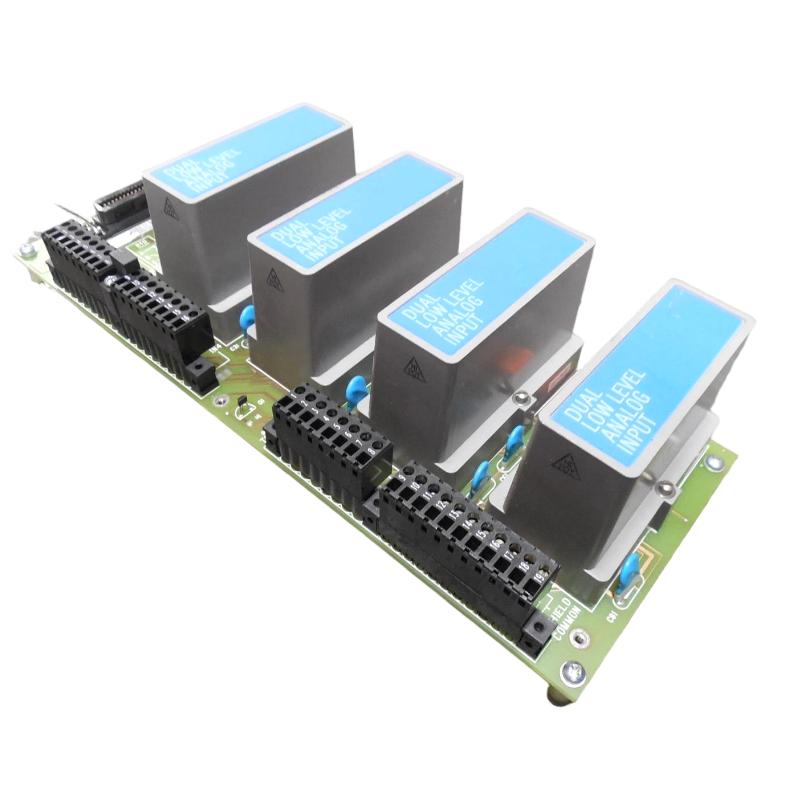
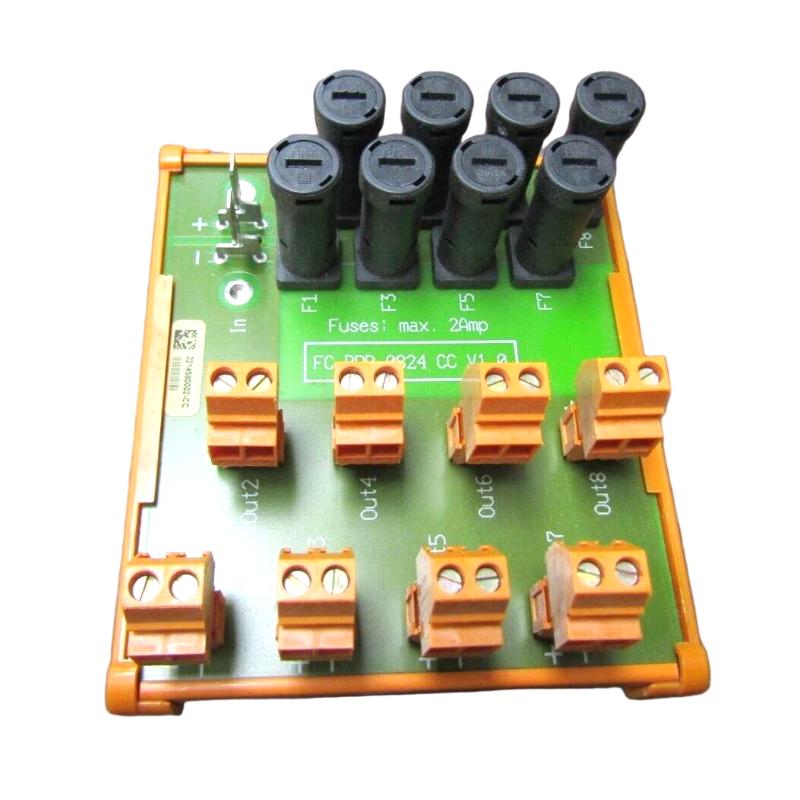
The ABB UF D402 A101 Circuit Board is an electronic module used within industrial automation and power control systems. Circuit boards of this type serve as critical internal components that support signal routing, electronic processing, and communication between system modules.
This board is commonly integrated into equipment such as:
-
Industrial drive systems controlling motors and heavy machinery
-
Power conversion and electrical distribution platforms
-
Automated production equipment in manufacturing facilities
-
Process control systems in chemical and petrochemical plants
-
Industrial energy management and monitoring systems
Within these systems, the circuit board ensures that signals and control data flow reliably between controllers, sensors, and operational modules.
Key Functional Advantages
Stable Electronic Architecture
The circuit board is designed to support reliable signal transmission within complex automation equipment.
High Compatibility with Modular Systems
It can be integrated into larger system assemblies where multiple electronic boards interact to perform coordinated control tasks.
Industrial Operating Reliability
Built to operate within demanding industrial environments, the board supports continuous system operation.
Compact Structural Design
The board’s slim profile allows it to be installed in equipment where space optimization is important.
Service-Friendly Replacement
Its modular design allows maintenance personnel to replace the board without extensive system reconstruction.
Technical FAQs
1. What is the primary function of the UF D402 A101 circuit board?
The circuit board acts as an internal electronic interface responsible for signal processing, communication, and coordination between system modules.
2. In what types of systems is this board typically installed?
It is typically installed in industrial drives, automation platforms, and power control equipment where electronic coordination between components is required.
3. How does the board communicate with other system components?
Communication occurs through internal connectors and electronic buses that link the board to controllers, sensors, and other circuit modules.
4. What are the typical maintenance considerations for this circuit board?
Routine checks include ensuring connectors remain secure, preventing dust buildup, and maintaining proper cabinet ventilation.
5. Can the circuit board be replaced individually if it fails?
Yes. In modular industrial systems, individual boards can usually be replaced without replacing the entire control assembly.
6. How does the board contribute to system performance?
By managing electronic communication and signal pathways, the board helps maintain stable operation of the entire automation system.
7. What environmental conditions are recommended for installation?
The board should be installed within protected industrial enclosures that control temperature, humidity, and contamination.
8. How are faults typically detected in such circuit boards?
System diagnostics and controller monitoring functions can identify communication or operational anomalies linked to the board.
9. Does the board require specific handling procedures during installation?
Yes. Electrostatic discharge protection and proper grounding procedures should be followed during installation or replacement.
10. What role does the board play in large automation architectures?
It functions as an internal electronic interface that supports coordination between hardware modules, ensuring consistent system communication.
 A DCS Q Co., Ltd. - PLC and DCS Industrial Control Equipment Wholesale