Typical Industrial Power Applications
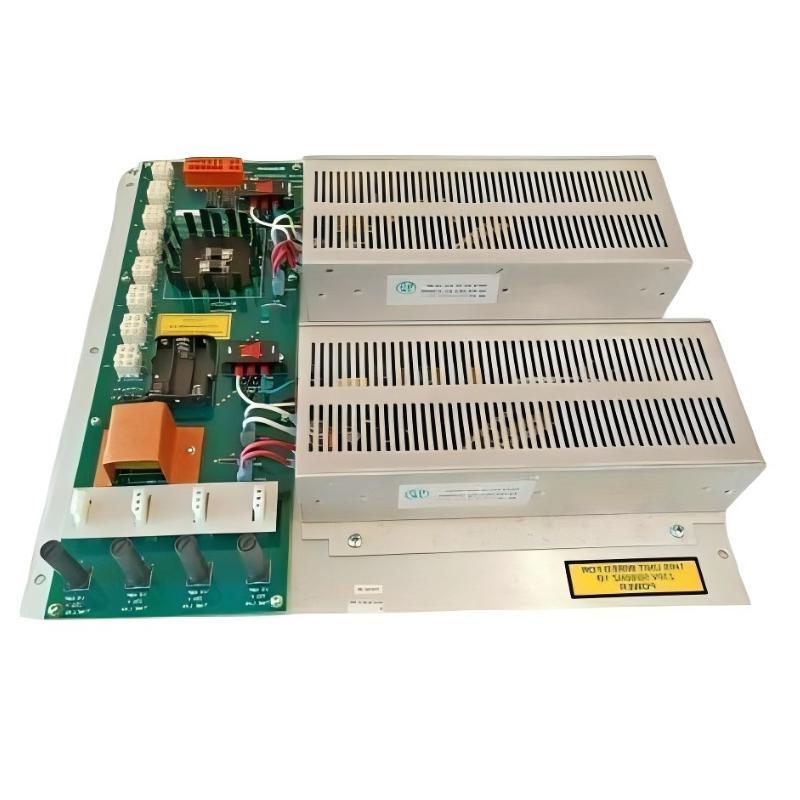
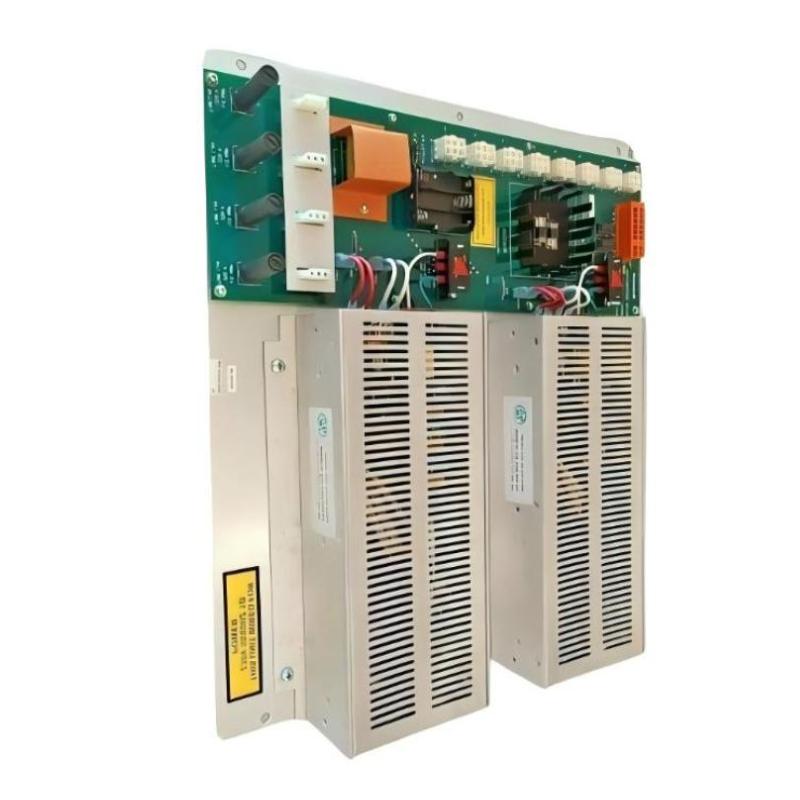
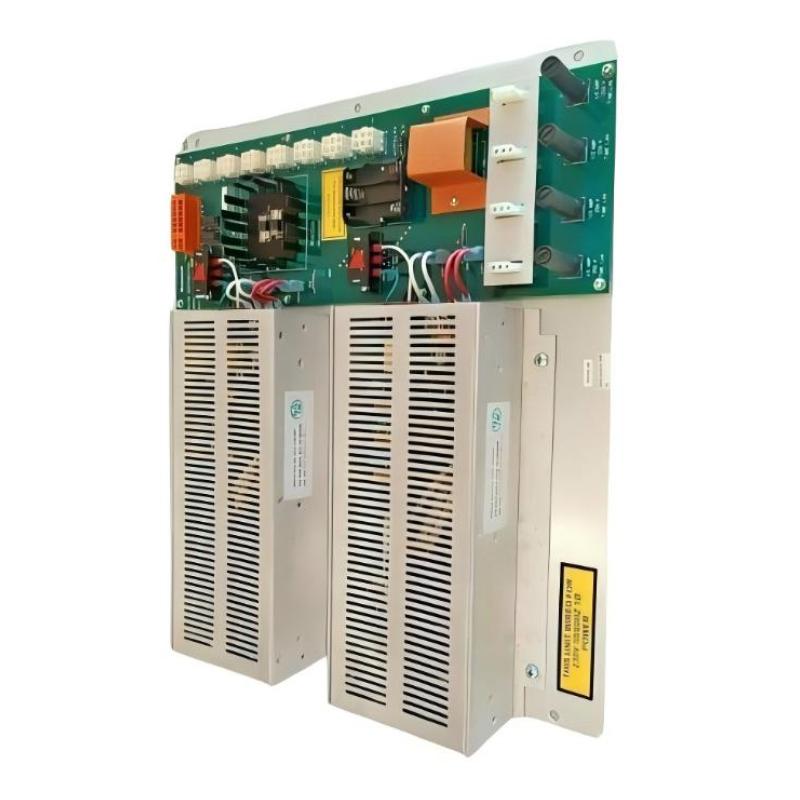
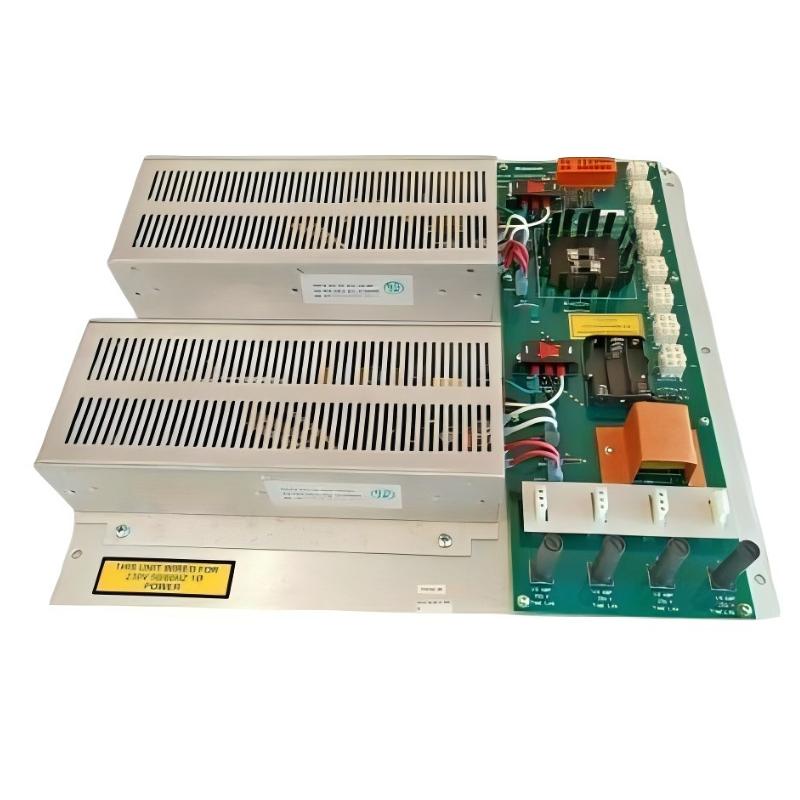
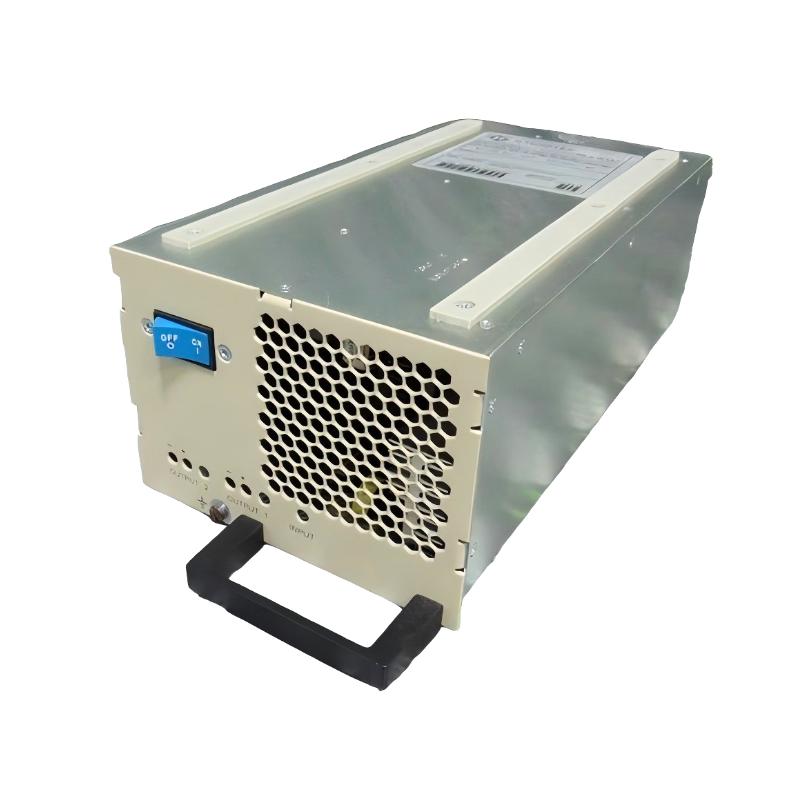
The Honeywell MC-PAR221 AC Redundant Power Supply Module is designed to provide stable and uninterrupted power to industrial control systems operating in mission-critical environments. In large automation infrastructures, maintaining continuous power availability is essential to prevent system shutdowns that could impact safety, production, or data integrity.
This redundant power supply module is typically deployed in:
-
Distributed Control Systems (DCS) within oil and gas facilities
-
Chemical processing plants operating continuous production lines
-
Power generation stations requiring reliable control system uptime
-
Pharmaceutical manufacturing systems with strict operational stability requirements
-
Industrial automation cabinets supporting complex process monitoring networks
By supporting redundant power configurations, the module helps maintain uninterrupted system operation even if one power source encounters a fault.
Operational Advantages for Automation Infrastructure
Redundant Power Protection
The module supports redundant power architectures, allowing a secondary power source to maintain system operation if the primary supply fails.
Stable Power Delivery
Engineered for industrial automation systems, it provides consistent electrical output required by controllers, communication modules, and I/O interfaces.
Enhanced System Reliability
Redundant power supply designs significantly reduce the risk of downtime caused by electrical supply interruptions.
Industrial-Grade Construction
The module is built for installation in demanding environments where control systems must operate continuously.
Maintenance-Friendly Design
Its modular form allows technicians to replace or service the power supply within the cabinet without extensive system reconfiguration.
Technical FAQs
1. What is the primary function of the MC-PAR221 power supply module?
The module converts incoming AC power into regulated power suitable for Honeywell control system hardware while supporting redundant operation.
2. How does redundancy improve system reliability?
Redundant configurations allow a secondary power supply to automatically maintain operation if the primary supply experiences a failure or interruption.
3. What systems commonly use this power supply module?
It is typically used in Honeywell automation and distributed control systems where continuous operation is required.
4. Can the module operate continuously in industrial environments?
Yes. It is designed for long-term operation in control cabinets that support industrial automation infrastructure.
5. How is the module installed in the control cabinet?
The unit is installed within the control system hardware framework and connected to the appropriate power distribution interface.
6. Does the module provide diagnostic information?
Many industrial power supply modules include status indicators or diagnostic signals to assist operators in identifying power conditions.
7. What happens if one power supply in a redundant pair fails?
The redundant unit continues supplying power to the system, allowing maintenance personnel to replace the faulty unit without interrupting operation.
8. Are special cooling requirements needed for the power supply?
Proper cabinet ventilation is recommended to maintain stable operating temperatures for all installed power modules.
9. Can the module support critical control equipment?
Yes. It is specifically designed to power controllers, communication modules, and I/O devices used in industrial automation systems.
10. What maintenance practices help ensure reliable operation?
Routine inspection of electrical connections, monitoring status indicators, and maintaining adequate cabinet airflow help ensure long-term reliability.
 A DCS Q Co., Ltd. - PLC and DCS Industrial Control Equipment Wholesale