Product Introduction
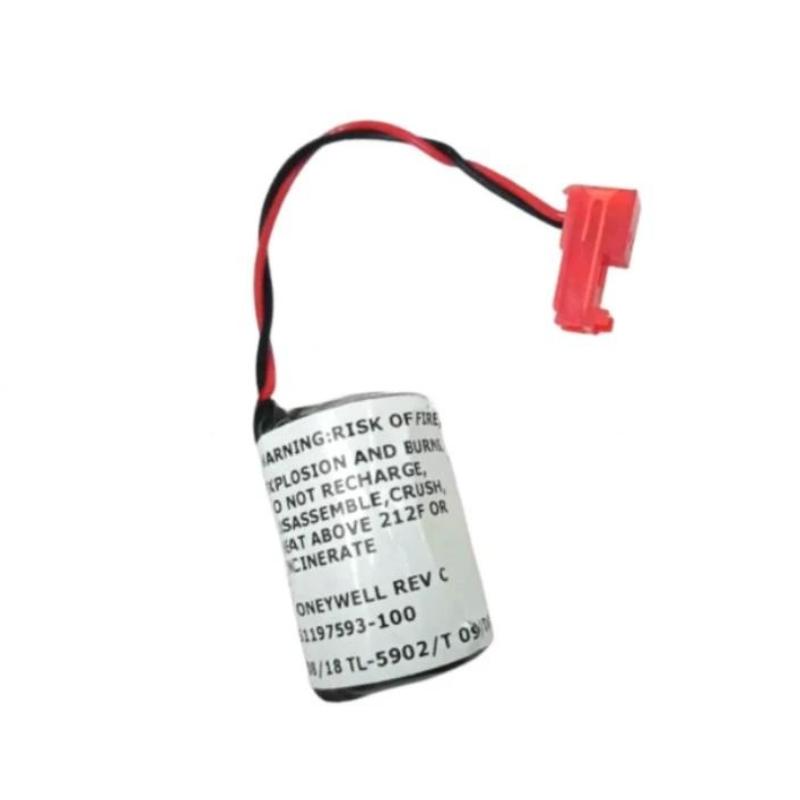
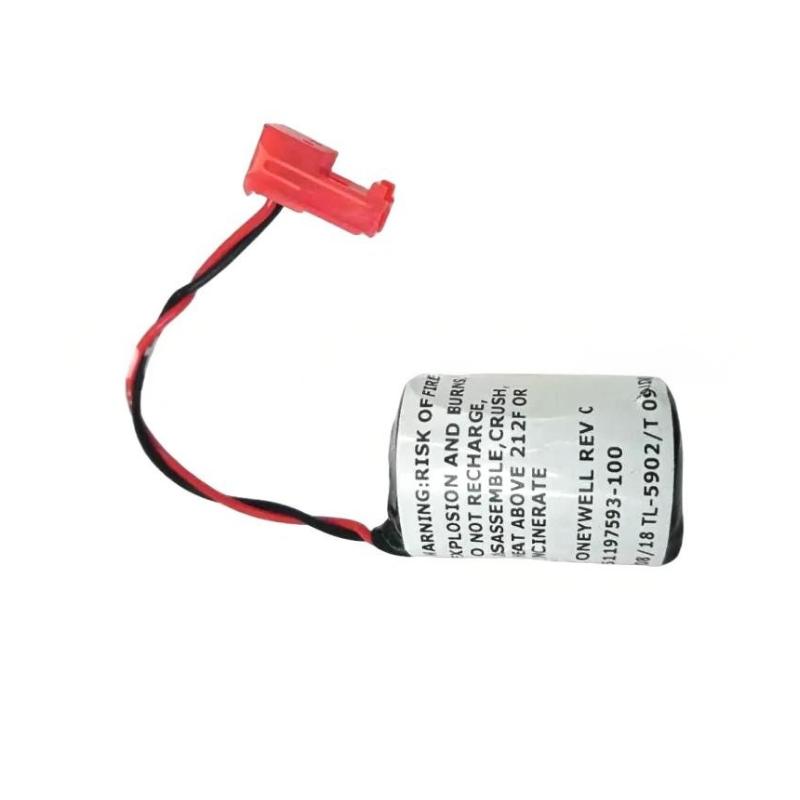
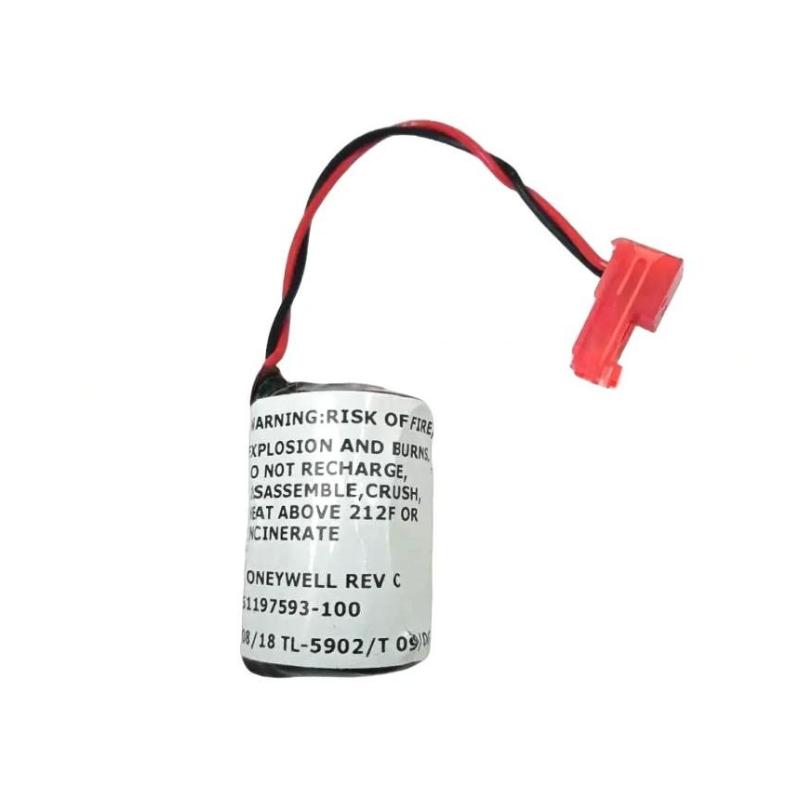
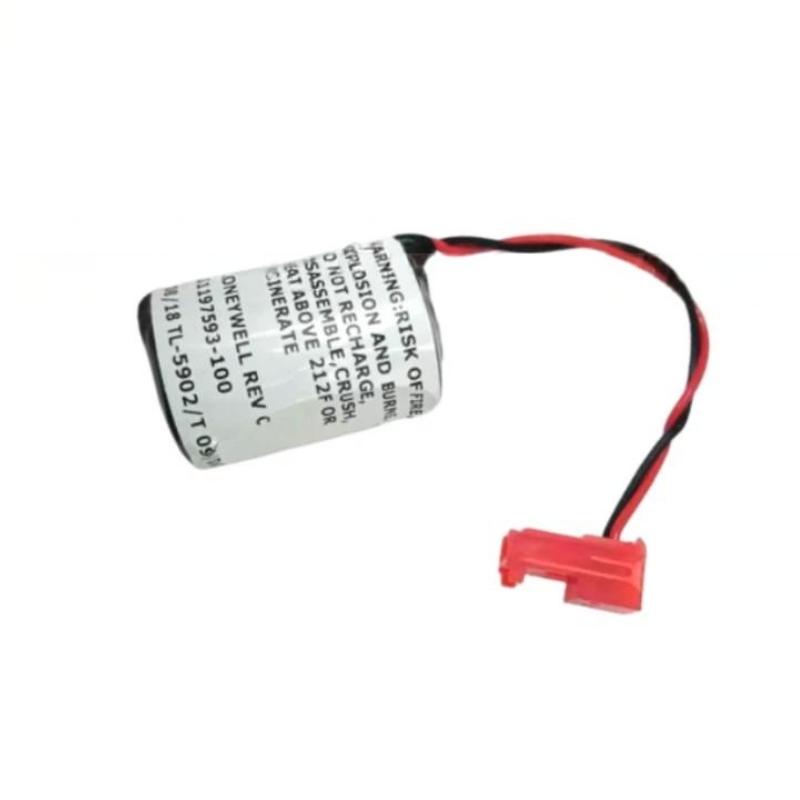
The Honeywell TC-BATT01 Lithium Battery Module is an essential maintenance component used in many industrial automation systems to protect critical controller data. Control systems rely on stored configuration settings, operating parameters, and program logic to maintain stable plant operations.
When primary power is removed from the system, the backup battery ensures that this information remains stored in memory. Without this support, power loss could result in the loss of configuration data, requiring time-consuming system reconfiguration.
Because industrial plants often operate continuously, maintaining reliable backup power for system memory is vital. The TC-BATT01 battery provides a dependable solution for this requirement, allowing maintenance teams to preserve system integrity while performing scheduled service or handling unexpected power interruptions.
Technical Specifications
| Parameter | Specification |
|---|
| Manufacturer | Honeywell |
| Model | TC-BATT01 |
| Part Number | 51197593-100 |
| Module Type | Lithium Battery Module |
| Function | Memory backup power supply |
| Battery Chemistry | Lithium |
| Installation | Replacement battery for compatible Honeywell control equipment |
| Dimensions | 48 mm × 20 mm × 12 mm |
| Weight | 0.35 kg (0.77 lb) |
Where This Battery Is Commonly Used
The Honeywell TC-BATT01 Lithium Battery Module is designed as a replacement power source for maintaining memory retention and critical system data within Honeywell industrial control equipment. In automation systems, backup batteries ensure that configuration parameters, program data, and operational settings remain stored even when the primary system power is removed.
This battery module is commonly used in:
-
Distributed control systems used in petrochemical plants
-
Industrial automation controllers in power generation facilities
-
Process control cabinets in pharmaceutical production environments
-
Manufacturing automation platforms requiring configuration memory backup
-
Control systems used in water treatment and utility infrastructure
By providing stable backup power, the battery helps prevent loss of system configuration or operational data during power interruptions or maintenance procedures.
Functional Advantages for System Reliability
Secure Memory Retention
The battery ensures that controller memory and configuration data remain intact when the main system power is disconnected.
Designed for Direct Replacement
The TC-BATT01 is engineered as a compatible replacement battery, enabling technicians to perform quick and straightforward maintenance procedures.
Stable Lithium Power Source
Lithium battery chemistry provides long service life and consistent voltage output suitable for industrial electronics.
Minimal System Downtime
Battery replacement can typically be completed quickly, reducing disruption to plant operations.
Compact and Efficient Design
Its small physical footprint allows the battery to fit easily within control system hardware compartments.
Technical FAQs
1. What is the primary function of the TC-BATT01 battery in a control system?
The battery provides backup power that preserves controller memory and stored configuration data when the system loses primary power.
2. Which types of equipment typically use this battery?
It is commonly used in Honeywell industrial controllers and automation hardware that require nonvolatile memory support.
3. How often should the battery be replaced?
Replacement intervals depend on operating conditions and system usage, but preventive maintenance schedules often recommend periodic checks to ensure sufficient battery capacity.
4. What happens if the battery becomes depleted?
If the battery voltage falls below the required level, the system may lose stored configuration or program data when power is removed.
5. Can the battery be replaced during routine maintenance?
Yes. Many facilities replace backup batteries during scheduled maintenance periods to avoid unexpected failures.
6. Does the battery affect normal system operation?
No. During normal operation the primary system power supplies the controller; the battery only provides backup power when necessary.
7. Are there safety precautions when replacing the battery?
Technicians should follow manufacturer guidelines, including proper handling procedures and ensuring electrostatic protection when servicing control equipment.
8. How can maintenance personnel determine if the battery needs replacement?
Control systems often provide diagnostic alerts or status indicators when battery voltage drops below recommended levels.
9. Can incorrect battery replacement cause system issues?
Using an incompatible battery type may affect voltage levels or physical fit, so the specified replacement model should always be used.
10. What environmental conditions are suitable for storing replacement batteries?
They should be stored in a cool, dry environment away from excessive heat or moisture to maintain battery performance.
 A DCS Q Co., Ltd. - PLC and DCS Industrial Control Equipment Wholesale











