Typical Deployment in Industrial Automation
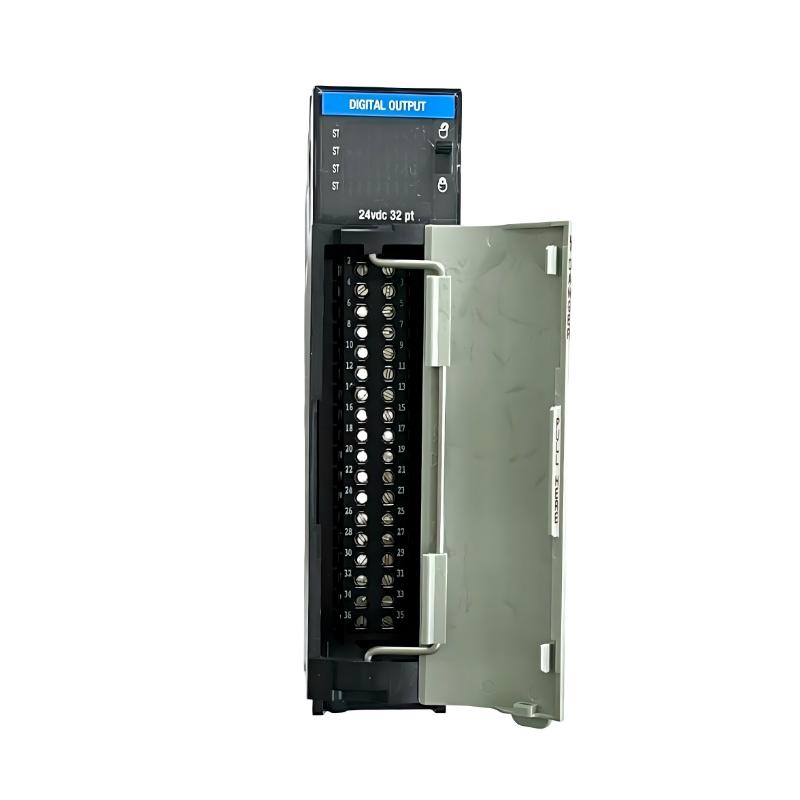
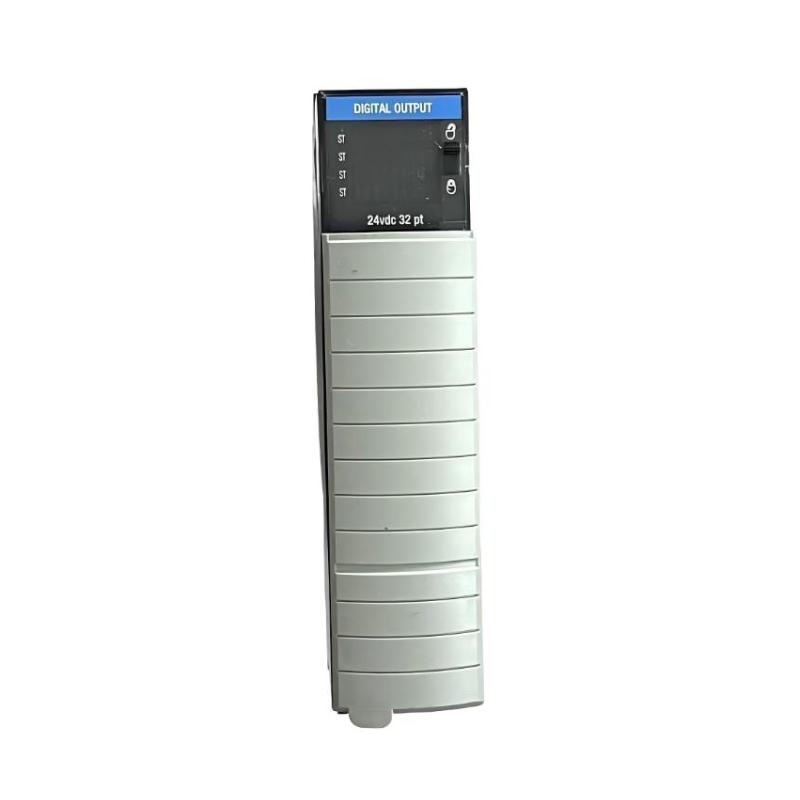
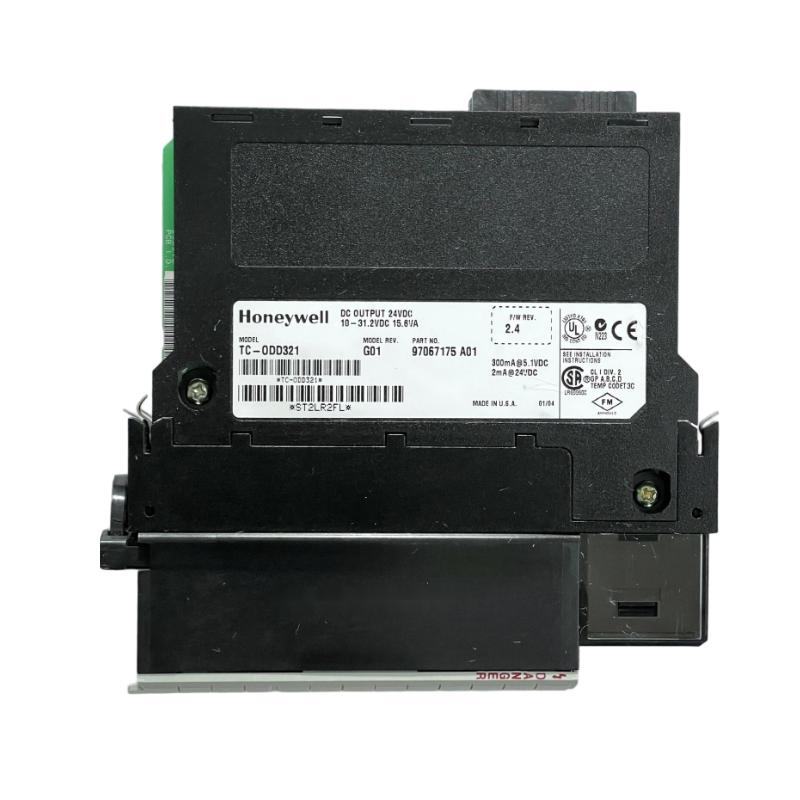
The Honeywell TC-ODD321 Digital Output Module is designed to deliver reliable discrete control signals from the control system to field devices. Within industrial automation architectures, digital output modules play a critical role in activating actuators, switching relays, and controlling on/off equipment across production facilities.
This module is commonly installed in control systems used in:
-
Petrochemical plants controlling valves and safety interlocks
-
Power generation facilities managing auxiliary equipment and protection systems
-
Pharmaceutical production lines operating pumps, alarms, and control relays
-
Water treatment plants controlling motor starters and valve actuators
-
Food processing plants managing packaging and conveyor systems
By translating controller commands into electrical switching signals, the module enables automated operation of field equipment in real time.
Functional Benefits for Control Engineers
Reliable Discrete Control
The module delivers stable switching signals to external devices, ensuring dependable operation of industrial actuators and relays.
Designed for Control System Integration
Its architecture allows direct installation within compatible Honeywell automation platforms, simplifying system configuration and expansion.
Fast Output Response
The module supports rapid signal transitions, allowing control systems to respond quickly to changing process conditions.
Industrial Electrical Protection
Internal protection mechanisms help safeguard output channels from electrical disturbances commonly found in industrial environments.
Simplified Maintenance
Clear channel diagnostics assist technicians in identifying output status and potential wiring issues during system troubleshooting.
Technical FAQs
1. What type of devices can be controlled using the TC-ODD321 module?
The module is typically used to control discrete field devices such as solenoid valves, relays, alarms, indicator lights, and motor starters that operate on on/off signals.
2. How does the module receive control commands?
Control commands are transmitted from the system controller through the backplane communication interface, which instructs the module to switch specific output channels.
3. What happens if an output channel experiences a fault condition?
Diagnostic monitoring allows the control system to detect abnormal output conditions and generate alerts so maintenance personnel can investigate.
4. Can the module operate continuously in industrial environments?
Yes. It is designed for continuous duty operation in industrial control cabinets where systems run around the clock.
5. How is electrical noise minimized in output circuits?
The module incorporates internal circuit design and isolation strategies to reduce the impact of electromagnetic interference from nearby equipment.
6. Is it possible to monitor the status of each output channel?
Yes. The control system can display the status of each channel, enabling operators to verify whether field devices are activated or deactivated.
7. What installation practices help ensure reliable output performance?
Proper wiring, grounding, and adherence to recommended load limits are important for maintaining stable output operation.
8. Can the module be replaced without redesigning the control cabinet?
Yes. It is designed for modular installation, allowing technicians to remove and replace the unit within the existing rack or mounting structure.
9. How does the module interact with other control system components?
It communicates through the system backplane, receiving instructions from the controller and sending diagnostic information back to the system.
10. What maintenance checks are recommended for long-term reliability?
Routine inspections typically include verifying wiring connections, checking channel status indicators, and ensuring proper cabinet ventilation.
 A DCS Q Co., Ltd. - PLC and DCS Industrial Control Equipment Wholesale