Where This Module Is Typically Deployed
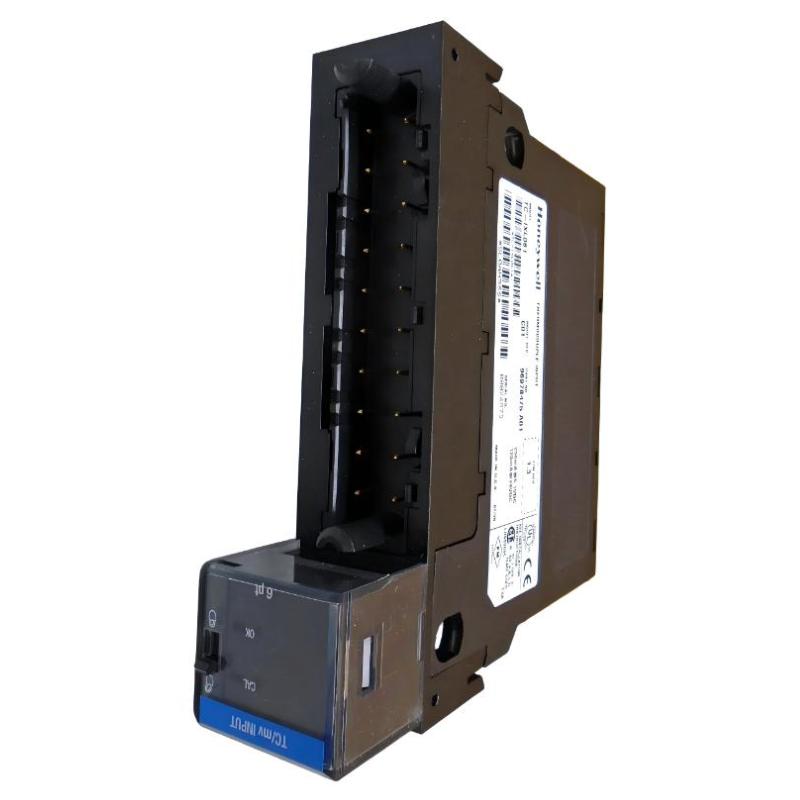
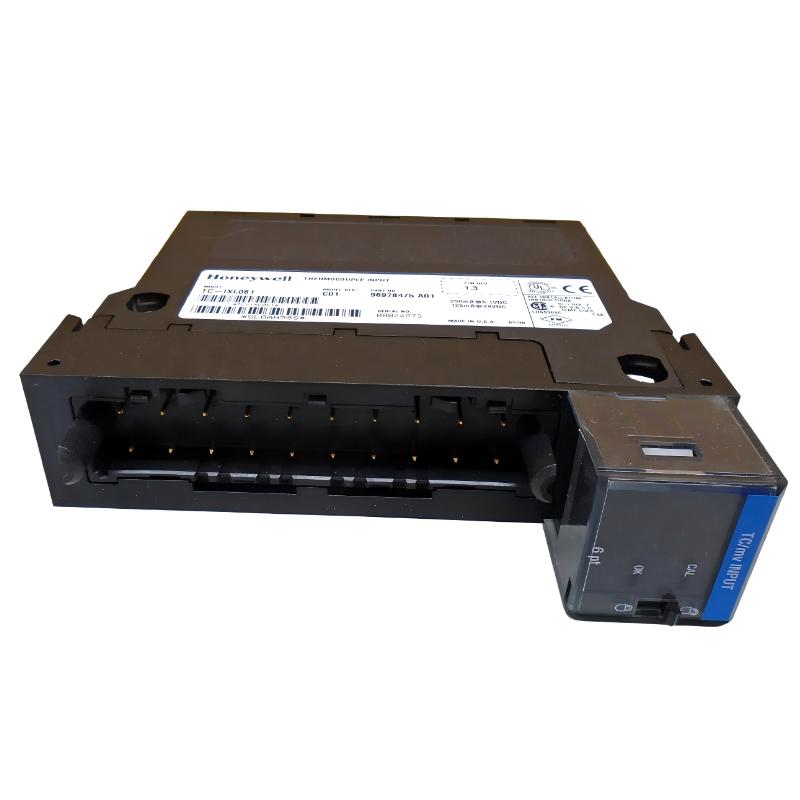
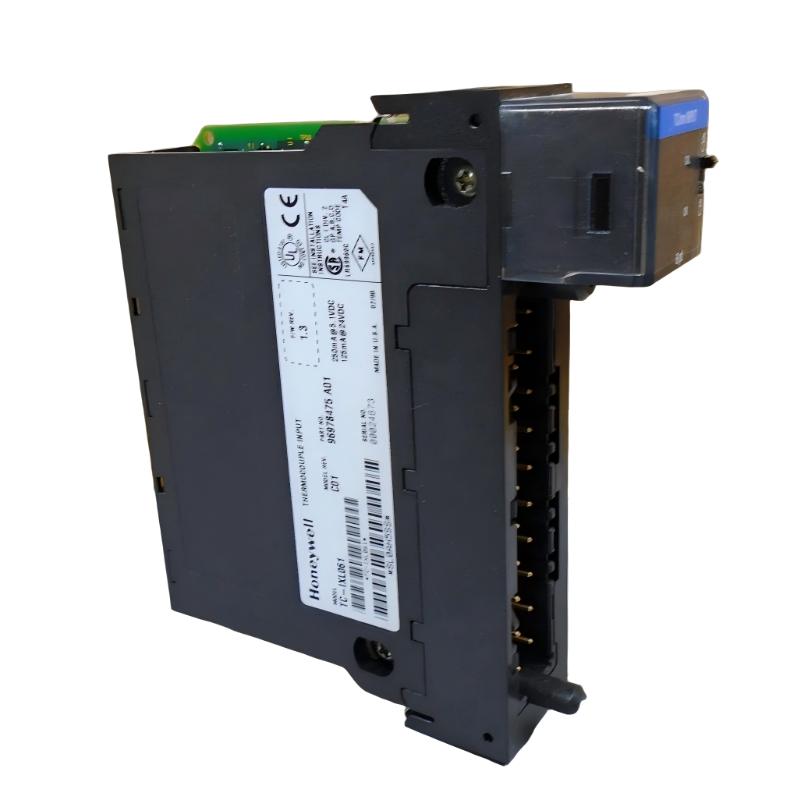
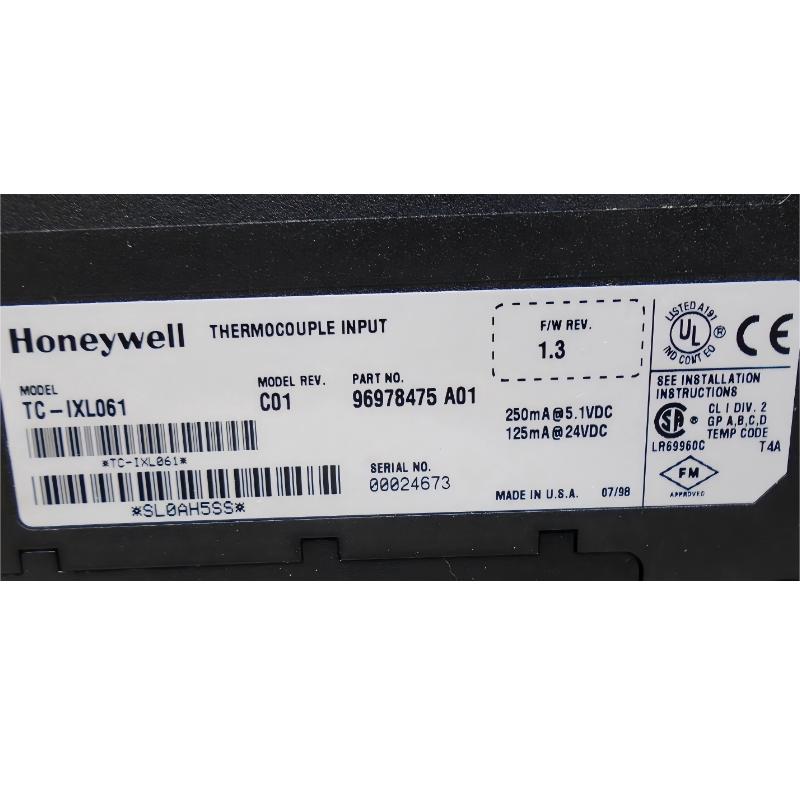
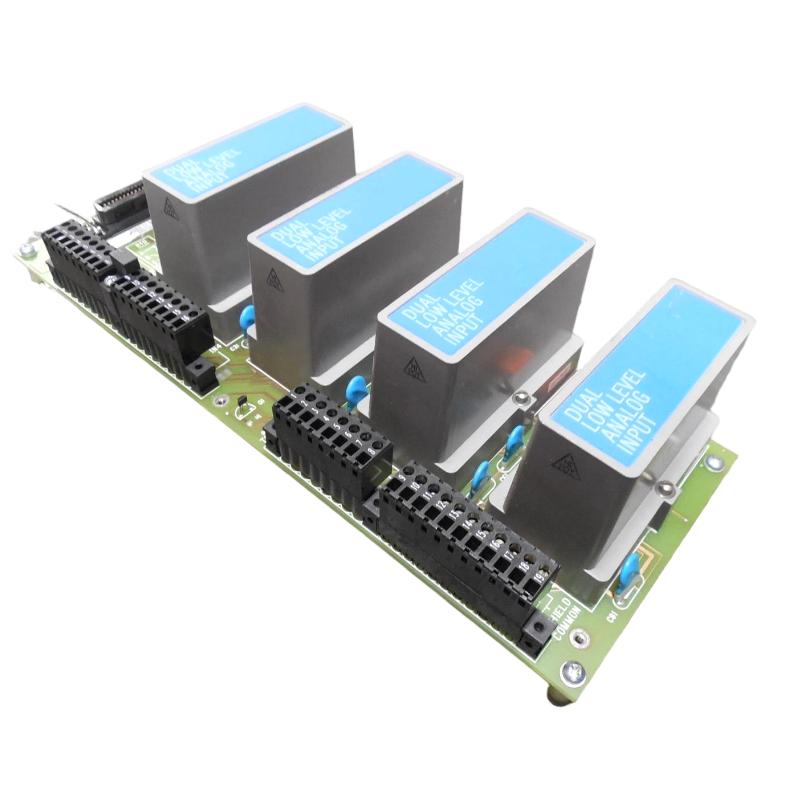
The Honeywell TC-IXL061 Experion LS Thermocouple Input Module is designed to collect temperature signals from thermocouple sensors and deliver precise data to the Experion LS control platform. Temperature measurement plays a critical role in process industries where thermal stability directly impacts safety, efficiency, and product quality.
This module is commonly implemented in environments such as:
-
Petrochemical processing plants monitoring reactor and pipeline temperatures
-
Heat treatment facilities controlling industrial furnaces and ovens
-
Power generation plants supervising boiler and turbine thermal conditions
-
Pharmaceutical production systems requiring tightly controlled temperature environments
-
Food processing plants operating sterilization or pasteurization equipment
Through reliable signal conversion and integration with the control system, the module enables continuous temperature monitoring across multiple process points.
Engineering Advantages in Automation Systems
Optimized for Thermocouple Signals
The module is specifically designed to process low-level thermocouple signals, ensuring accurate temperature measurement across industrial ranges.
Integrated with Experion LS Platform
Direct compatibility with Experion LS allows seamless configuration, diagnostics, and monitoring through Honeywell’s control software environment.
Stable Signal Conditioning
Built-in filtering and signal processing help minimize electrical noise that can occur in industrial control cabinets.
Continuous Process Visibility
The module delivers real-time temperature values to the control system, allowing fast responses to thermal changes.
Fault Detection Support
Diagnostic features help identify sensor failures, wiring problems, or abnormal measurement conditions.
Technical FAQs
1. What thermocouple sensor types are supported by the TC-IXL061 module?
The module typically supports standard industrial thermocouple types such as J, K, T, and E. These sensor types are commonly used in industrial temperature monitoring due to their wide measurement ranges and durability.
2. How does the module ensure accurate thermocouple measurement?
It incorporates cold junction compensation and precision signal conditioning to correct measurement deviations caused by ambient reference temperatures.
3. How are thermocouple channels configured in the control system?
Engineers configure each input channel through the Experion LS engineering environment, where sensor type, filtering parameters, and alarm thresholds can be defined.
4. What happens if a thermocouple sensor becomes disconnected?
The module detects open-circuit conditions and reports a diagnostic fault to the control system, allowing operators to identify sensor failures quickly.
5. Can multiple thermocouple types be used at the same time?
Yes. Individual channels can typically be configured independently, allowing different thermocouple types to operate simultaneously in the same module.
6. How does the module reduce electrical interference from nearby equipment?
Internal filtering and signal isolation techniques help protect thermocouple measurements from electromagnetic noise generated by motors, drives, and switching equipment.
7. How frequently are temperature readings updated?
The module scans its input channels continuously and updates the controller according to the system scan cycle configured in the control system.
8. Can temperature alarms be configured for process safety?
Yes. High and low temperature thresholds can be configured so that alarms or automatic control actions are triggered when limits are exceeded.
9. Is calibration required for thermocouple input modules?
Calibration procedures can be performed within the system to ensure long-term measurement accuracy, especially in applications requiring high precision.
10. How can technicians diagnose channel issues?
Diagnostic indicators and system monitoring tools within the Experion environment provide information about channel status, sensor faults, and communication conditions.
 A DCS Q Co., Ltd. - PLC and DCS Industrial Control Equipment Wholesale