Industrial System Integration Scenarios
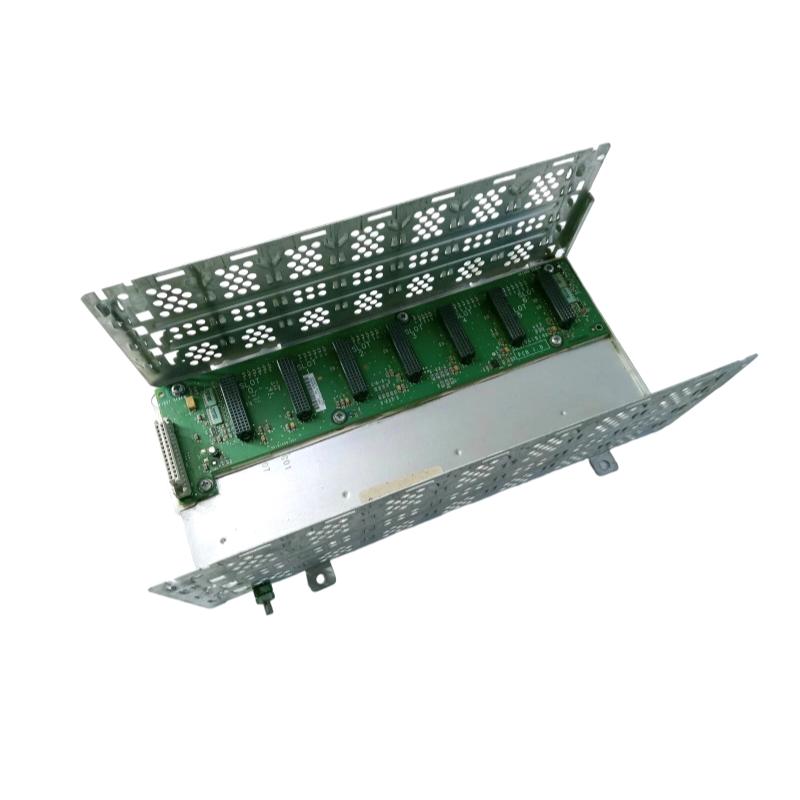
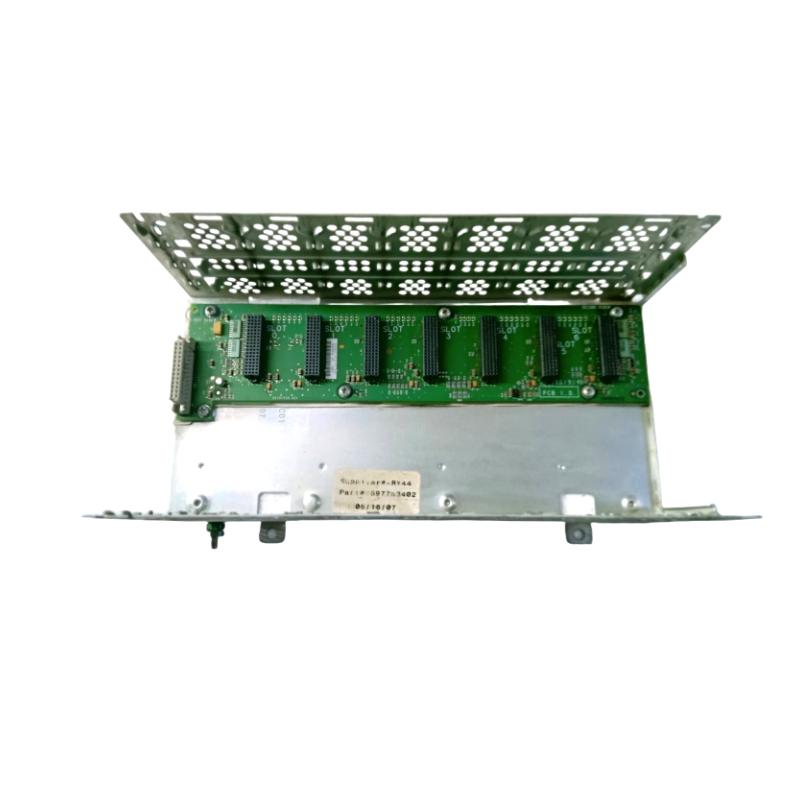
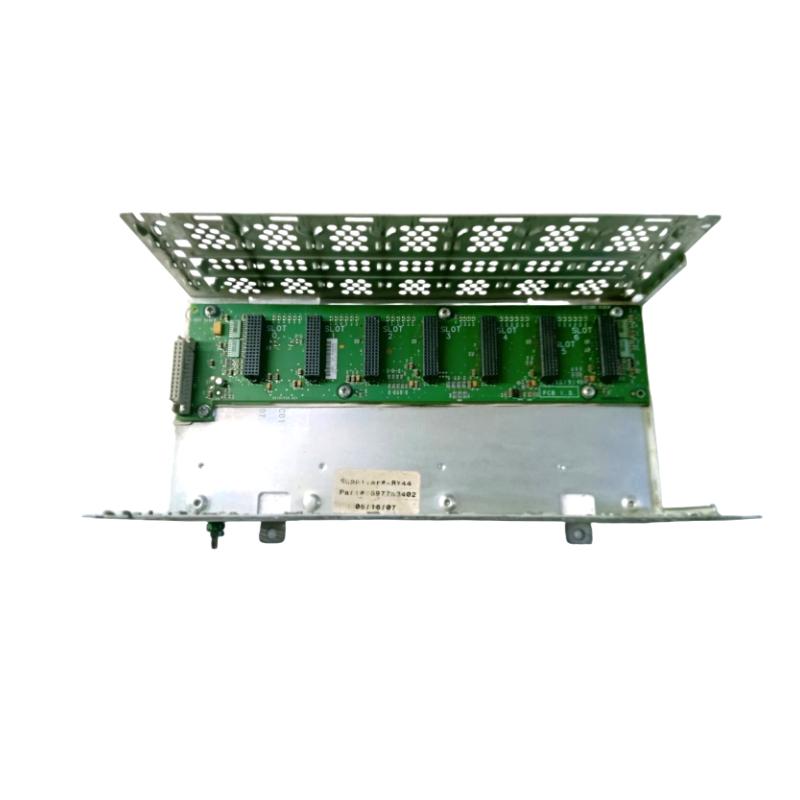
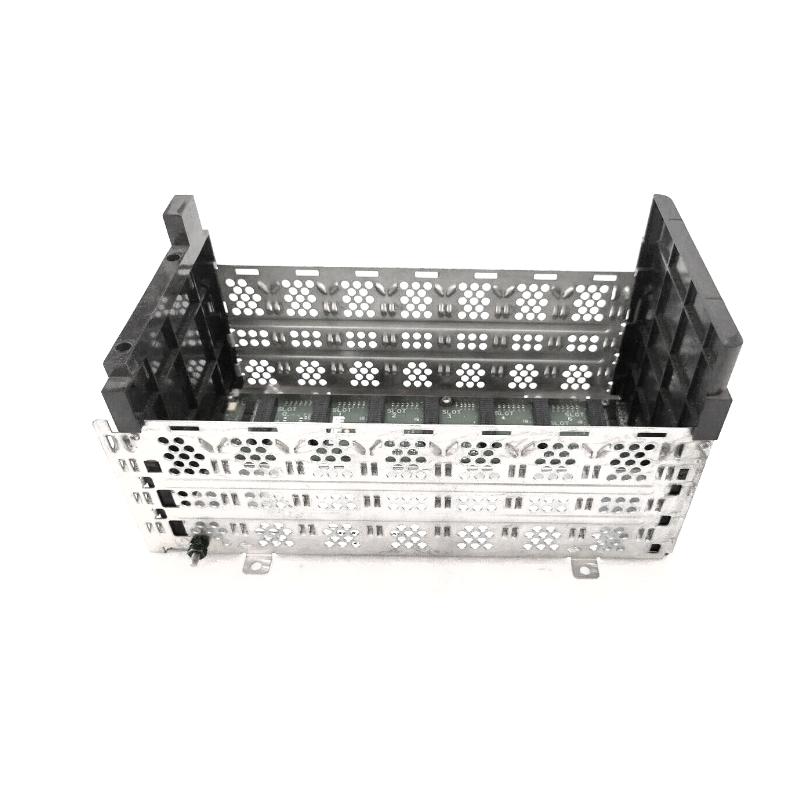
The Honeywell TC-FXX072 C200 Rack Module serves as a structural platform used in Honeywell control system environments for mounting and organizing multiple control modules within a cabinet. In large distributed control systems, racks provide both the mechanical framework and the electrical alignment needed for stable module installation.
This rack is typically installed in:
-
Oil and gas processing control cabinets
-
Petrochemical distributed control systems (DCS)
-
Thermal power plant automation panels
-
Chemical manufacturing control rooms
-
Large industrial process monitoring systems
Within these environments, the rack ensures that control modules are securely mounted and properly aligned with the system backplane, supporting reliable communication and power distribution across the installed hardware.
Key Operational Advantages
Structured Hardware Organization
The rack allows engineers to install multiple control modules in a clearly organized configuration, simplifying cabinet layout and wiring management.
Stable Mechanical Framework
Built with industrial-grade materials, the rack provides strong structural support to maintain module stability during long-term plant operation.
Efficient Maintenance Access
The rack layout enables technicians to access installed modules quickly, reducing downtime when performing inspections or replacements.
System Expansion Capability
As process automation systems grow, additional modules can be installed within the rack structure without redesigning the entire control cabinet.
Industrial Reliability
The design ensures dependable operation in control environments that require continuous uptime and stable hardware performance.
Technical FAQs
1. What is the main function of the TC-FXX072 rack in a Honeywell control system?
The rack acts as a mounting and structural platform that holds control modules while providing alignment with the system backplane for power and communication connections.
2. How are modules electrically connected when installed in the rack?
Modules installed in the rack interface with the system backplane connectors, allowing them to exchange power and data with the controller and other modules.
3. Can the rack support redundant controller configurations?
Yes. In systems that use redundant control strategies, racks can accommodate modules configured for redundancy depending on the system design.
4. What type of installation environment is recommended for this rack?
It is designed for installation inside industrial control cabinets that provide appropriate ventilation, grounding, and protection from environmental contaminants.
5. How does the rack help maintain system reliability?
By ensuring proper mechanical alignment and secure module placement, the rack minimizes connection instability and supports consistent communication between modules.
6. What maintenance procedures are typically required for the rack?
Routine inspection includes checking mounting stability, verifying module seating, and ensuring connectors remain clean and properly engaged.
7. Does the rack require special grounding considerations?
Proper cabinet grounding is recommended to reduce electromagnetic interference and protect sensitive control electronics.
8. Can modules be replaced without removing the rack?
Yes. Individual modules can typically be removed and replaced while the rack remains mounted in the control cabinet.
9. How is airflow managed around the rack?
Cooling usually relies on the overall cabinet ventilation system, allowing airflow to pass around the modules installed in the rack.
10. Is the rack compatible with multiple Honeywell control modules?
Yes. It is designed to support compatible modules used within the Honeywell C200 control platform.
 A DCS Q Co., Ltd. - PLC and DCS Industrial Control Equipment Wholesale