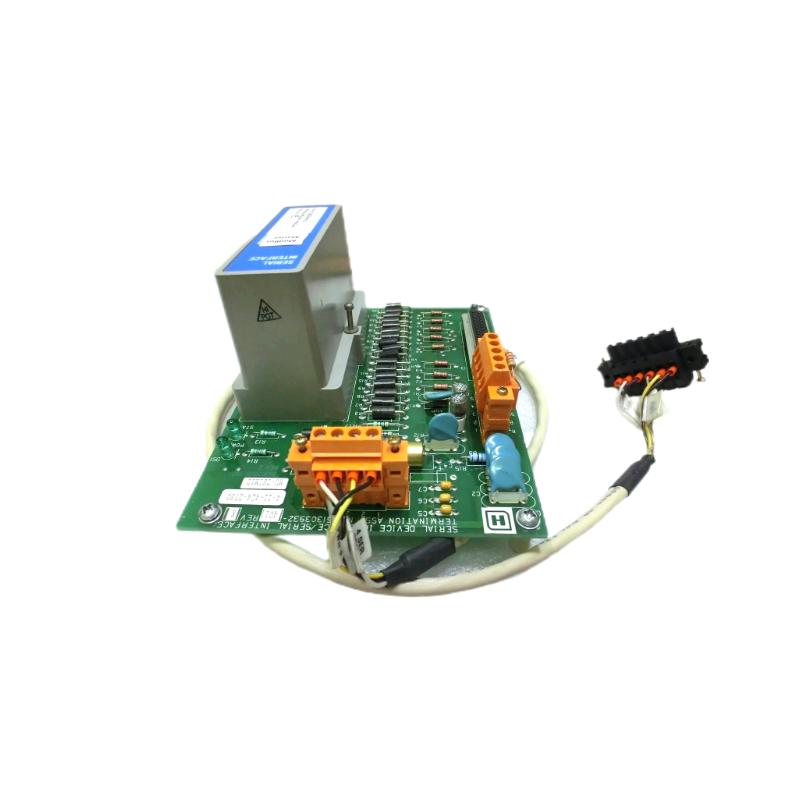
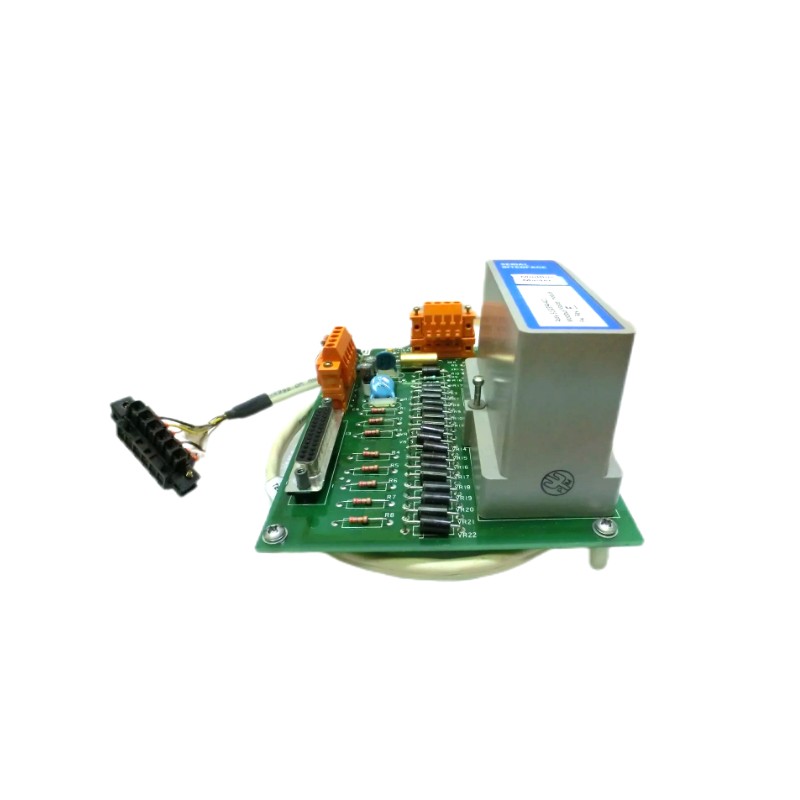
Product Introduction
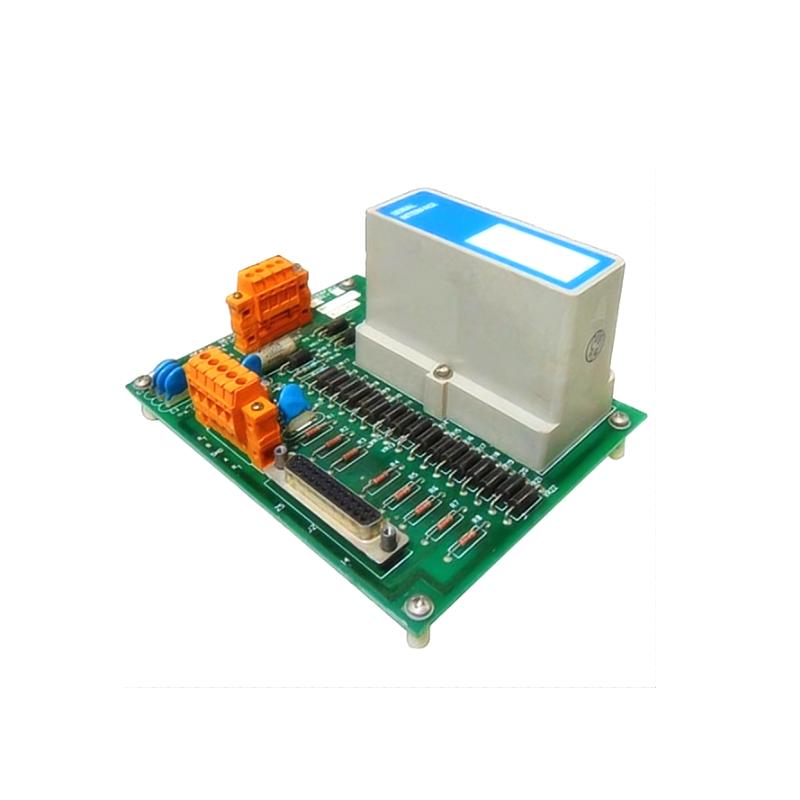
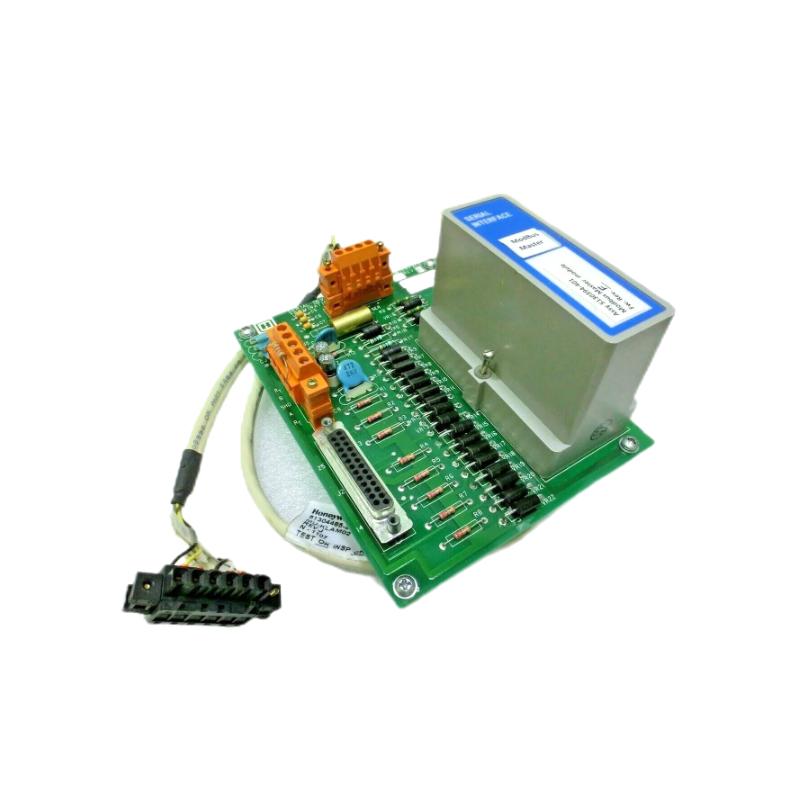
The Honeywell MU-TSIM12 51303932-401 Serial Device Interface Module plays a critical role in enabling communication between industrial field devices and Honeywell control systems. In large-scale automation environments, numerous instruments and monitoring devices rely on serial communication protocols to transmit operational data.
This module allows these devices to connect directly to the control architecture, enabling operators to monitor system performance, collect data, and execute control commands from centralized platforms. By supporting reliable serial communication, it ensures that both modern and legacy equipment can operate together within a unified automation infrastructure.
Its compact mechanical design and industrial durability make it suitable for installation in control cabinets used in demanding process automation environments.
Technical Specifications
| Parameter | Specification |
|---|
| Manufacturer | Honeywell |
| Model | MU-TSIM12 |
| Part Number | 51303932-401 |
| Module Type | Serial Device Interface Module |
| Function | Serial communication interface for field devices |
| System Compatibility | Honeywell distributed control systems |
| Installation | Control cabinet mounting |
| Dimensions | 160 × 100 × 35 mm |
| Weight | 0.8 kg (1.764 lb) |
Industrial Connectivity Applications
The Honeywell MU-TSIM12 51303932-401 Serial Device Interface Module is designed to provide serial communication capabilities within Honeywell distributed control systems. It enables reliable data exchange between field devices and the central control platform, allowing industrial equipment to communicate operational data, status information, and control commands.
This module is typically deployed in process automation environments such as oil and gas facilities, power generation plants, chemical processing units, and large-scale manufacturing operations. In these systems, serial communication links are commonly used to connect instruments such as analyzers, intelligent sensors, remote terminal units, and legacy control devices.
By acting as a communication bridge between serial devices and the control system, the module helps integrate diverse field equipment into a unified automation architecture.
Functional Advantages
Reliable Serial Communication
The module supports stable data transmission between field devices and the Honeywell control system, ensuring accurate data exchange.
Legacy Device Integration
Many industrial instruments still operate on serial protocols, and this module enables seamless integration with modern control platforms.
Improved System Connectivity
It allows multiple serial devices to communicate with centralized monitoring and control systems.
Industrial-Grade Design
Built for continuous operation in industrial environments where reliable communication is critical.
Efficient Control System Expansion
The module helps expand communication capabilities without requiring major modifications to existing system architecture.
Technical FAQs
1. What is the primary role of the MU-TSIM12 module?
It provides a serial communication interface between field devices and Honeywell distributed control systems.
2. What types of devices typically connect to this module?
Industrial analyzers, sensors, remote terminal units, and other equipment that communicates through serial protocols.
3. Why are serial interfaces still used in industrial systems?
Many legacy instruments and specialized devices rely on serial communication due to its reliability and simplicity.
4. Can the module support continuous data communication?
Yes, it is designed for continuous operation in process control environments.
5. Does the module improve system integration for older equipment?
Yes, it enables older serial-based devices to communicate with modern automation platforms.
6. Is the module suitable for large-scale distributed control systems?
Yes, it is designed to operate within Honeywell DCS architectures.
7. How does the module contribute to system monitoring?
It enables field devices to transmit operational data to centralized monitoring systems.
8. Does the module require configuration within the control system?
Yes, communication parameters and device mappings are typically configured within the control platform.
9. Can the module help expand communication capacity in a system?
Yes, it provides additional serial interface capability for connecting new or existing devices.
10. What environments is the module designed to operate in?
Industrial process environments such as refineries, chemical plants, and power generation facilities.
 A DCS Q Co., Ltd. - PLC and DCS Industrial Control Equipment Wholesale