Typical Deployment Environments
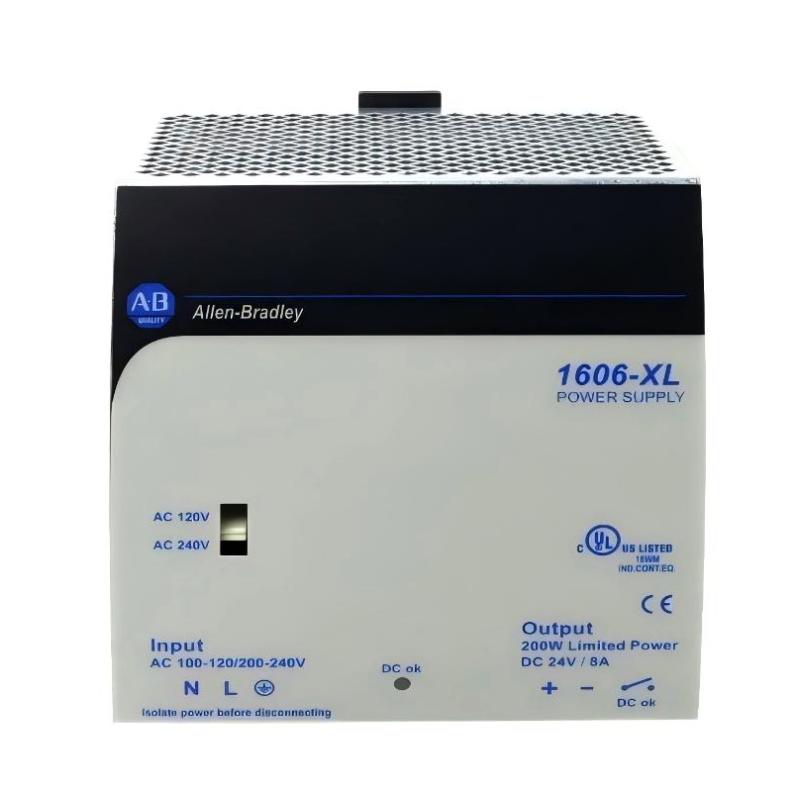
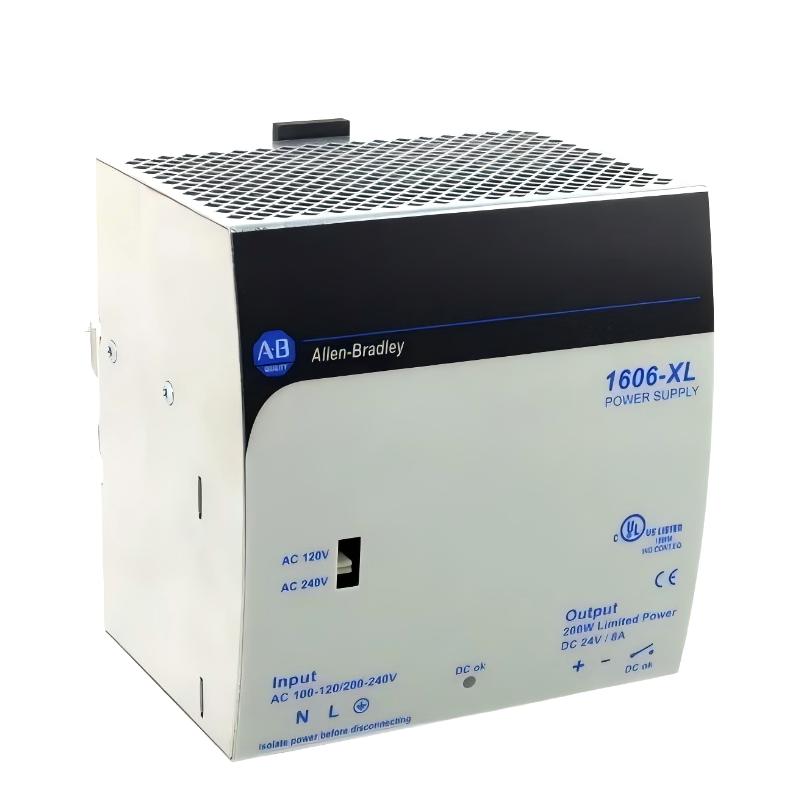
The Allen Bradley 1606-XLDNET8 DC Power Module is designed to manage and distribute DC power within industrial automation power architectures. It is typically used as part of intelligent power distribution systems where multiple loads must be protected, monitored, and supplied from a central DC source.
In modern control cabinets, this module plays a key role in structured power management, ensuring that individual circuits receive controlled and protected power. It is frequently integrated into systems supporting PLC controllers, distributed I/O devices, industrial networking hardware, and machine-level automation equipment.
Industries such as manufacturing, process automation, energy infrastructure, and logistics automation rely on this type of module to maintain safe and organized DC power distribution across critical system components.
System-Level Advantages
Intelligent DC Power Distribution
The module allows multiple circuits to be powered and managed from a single DC supply while maintaining organized electrical architecture.
Enhanced Circuit Protection
Each connected load can be protected from faults, preventing failures from affecting the entire automation system.
Improved System Reliability
By isolating electrical issues to specific channels, the module helps maintain continuous operation of unaffected equipment.
Compact Cabinet Integration
The design supports efficient installation in industrial control cabinets where structured power management is required.
Simplified Maintenance and Diagnostics
Organized DC distribution makes troubleshooting easier for maintenance engineers during system diagnostics.
Technical FAQs
1. What is the primary function of the 1606-XLDNET8 module?
It distributes DC power to multiple circuits while providing protection and management within industrial automation systems.
2. How does the module improve system reliability?
By isolating electrical faults to specific channels, it prevents a single failure from interrupting power to the entire system.
3. What types of devices are typically connected to this module?
PLC controllers, I/O modules, sensors, actuators, communication gateways, and other automation equipment.
4. Does the module require an external DC power supply?
Yes, it receives power from a DC power supply and distributes it to connected loads.
5. Is the module suitable for industrial control panels?
Yes, it is designed for integration into industrial cabinets and automation panels.
6. Can it be used in distributed automation systems?
Yes, it supports structured power distribution for distributed control architectures.
7. What happens if a connected circuit experiences a fault?
The module isolates the affected circuit, preventing disruption to other connected devices.
8. Does the module assist with system diagnostics?
Yes, structured power channels make troubleshooting and maintenance more efficient.
9. Is the module designed for continuous industrial operation?
Yes, it supports long-term operation in demanding industrial environments.
10. How does the module contribute to organized cabinet design?
By consolidating power distribution into a single module, it simplifies wiring and system layout.
 A DCS Q Co., Ltd. - PLC and DCS Industrial Control Equipment Wholesale