Application Environments
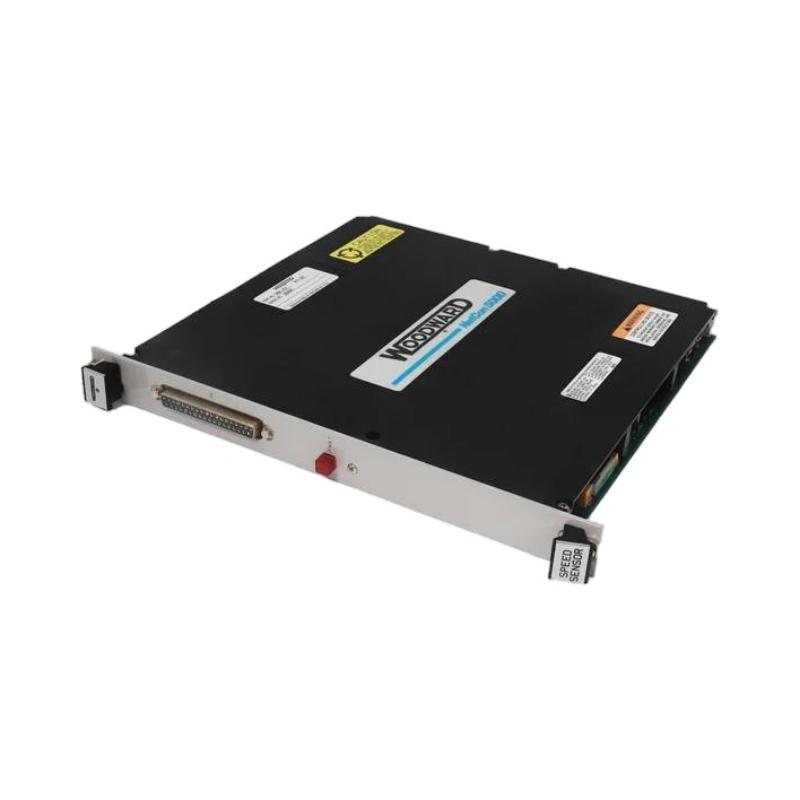
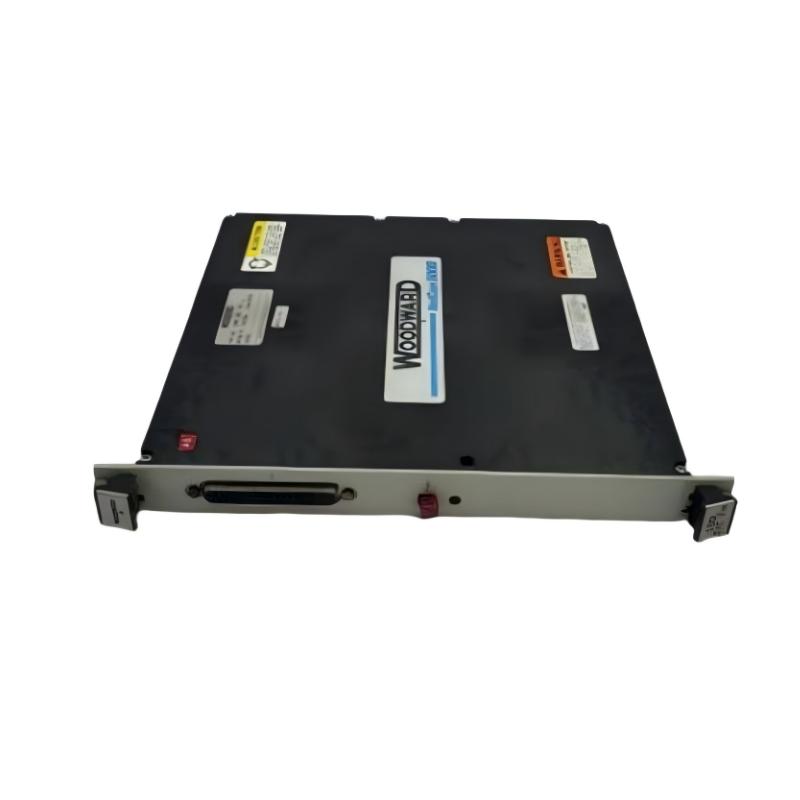
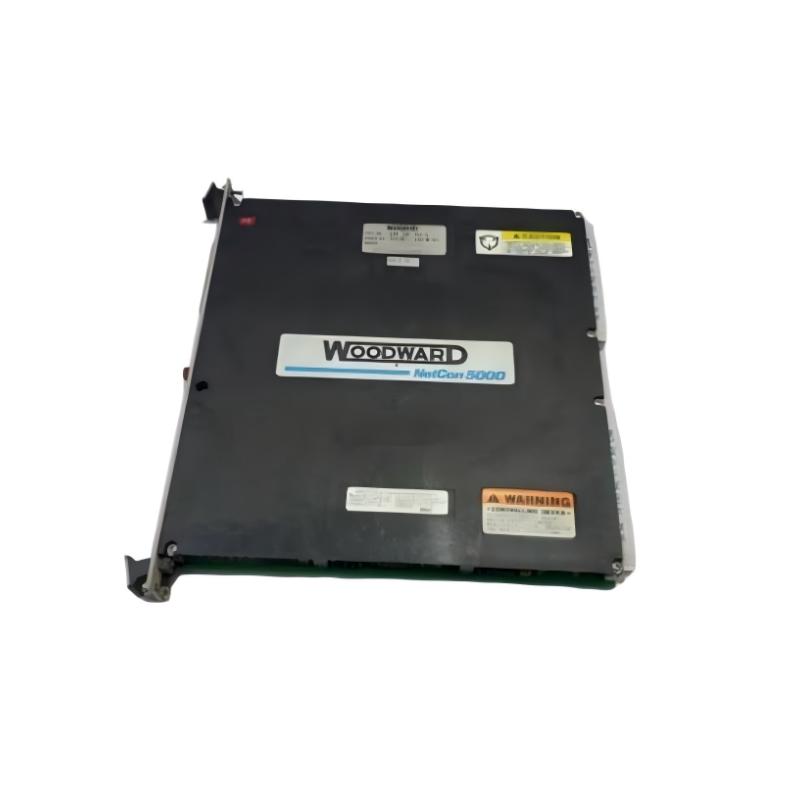
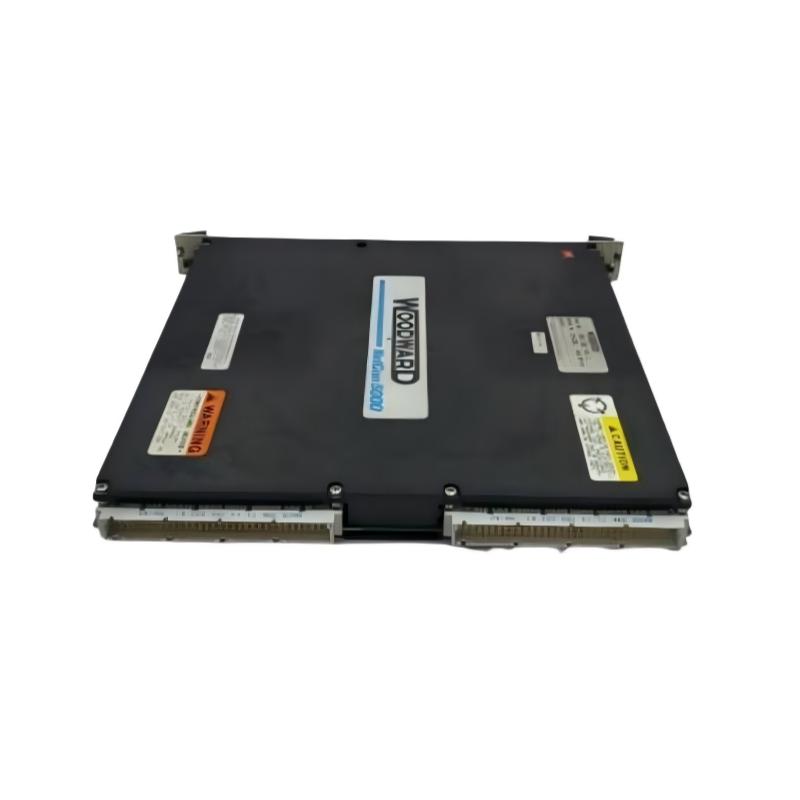
The Woodward 5464-210 Actuator Driver Module is designed to provide reliable drive control for actuators used in industrial automation and turbine management systems. In many control architectures, actuator driver modules serve as the interface between the controller’s logic outputs and the mechanical devices responsible for regulating fuel flow, valve positioning, or load adjustments.
Typical industrial applications include:
-
Gas turbine fuel control systems in power plants
-
Steam turbine valve positioning systems
-
Industrial engine speed and load regulation platforms
-
Compressor control systems within oil and gas infrastructure
-
Process automation environments requiring precise actuator movement
By delivering controlled electrical signals to actuators, this module helps ensure smooth mechanical operation and responsive control behavior.
Operational Advantages
The 5464-210 Actuator Driver Module offers several performance benefits in industrial automation environments.
-
Precise Actuator Control – Delivers accurate electrical drive signals to servo actuators and valve control mechanisms.
-
Fast Dynamic Response – Supports rapid adjustments required in turbine and engine control loops.
-
Stable Signal Output – Maintains consistent drive performance under varying load conditions.
-
Industrial Durability – Built for continuous operation in demanding automation environments.
-
Flexible System Integration – Designed to integrate with Woodward control platforms used in turbine and engine management systems.
These features enable the module to support reliable actuator control in applications where mechanical accuracy is essential.
Technical FAQs
1. What is the primary role of the 5464-210 module?
It converts controller commands into electrical drive signals capable of operating industrial actuators.
2. What types of actuators are typically connected to this module?
Servo actuators, valve actuators, and other motion control devices used in turbine and engine systems.
3. How does the module support turbine control operations?
It provides precise output signals to actuators that regulate fuel valves or steam valves, ensuring stable turbine operation.
4. Does the module operate independently from the controller?
No. It functions as an interface module that receives commands from the main control processor.
5. Can it be used in high-speed control loops?
Yes. The module is designed to respond quickly to control commands, supporting dynamic control applications.
6. Is the module suitable for continuous industrial operation?
Yes. It is engineered for long-term operation inside protected industrial control cabinets.
7. How does the module maintain signal stability?
Internal circuitry regulates and conditions output signals before delivering them to connected actuators.
8. Can the module be installed in redundant control architectures?
Yes. In systems designed for high reliability, actuator driver modules can be incorporated into redundant setups.
9. Does the module include actuator feedback processing?
Feedback processing is typically handled by separate input modules or the main control processor.
10. Is replacement straightforward during maintenance?
Yes. Modules can typically be replaced with identical units without modifying the control system configuration.
 A DCS Q Co., Ltd. - PLC and DCS Industrial Control Equipment Wholesale