Overview of the Module’s Role
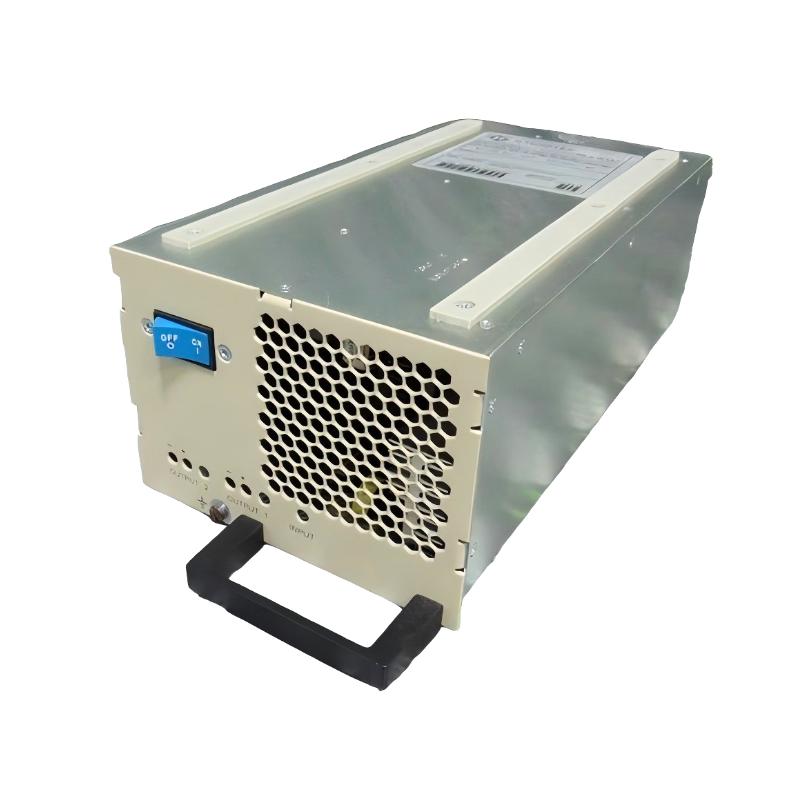
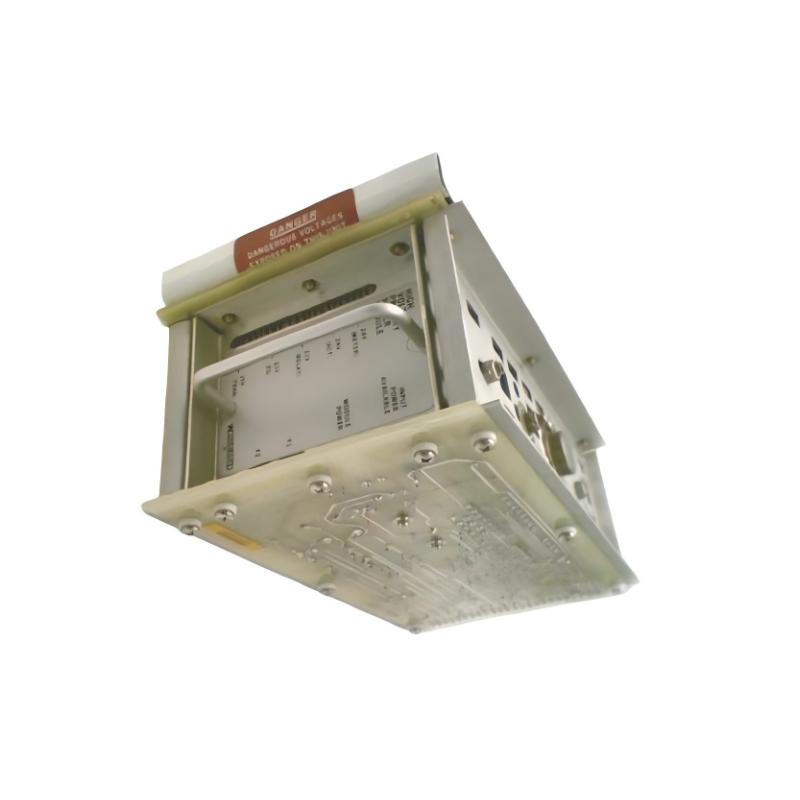
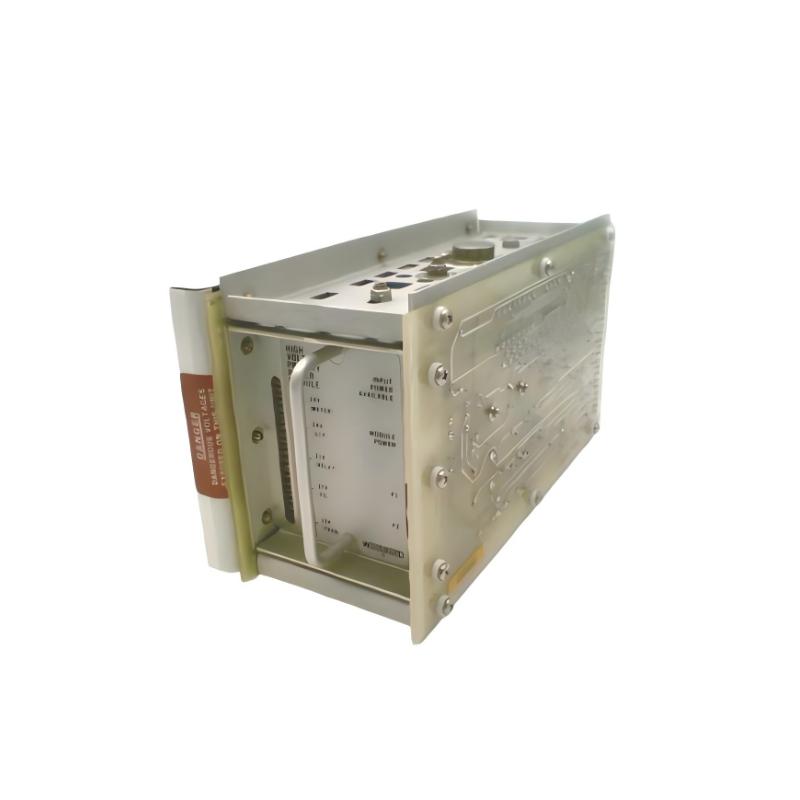
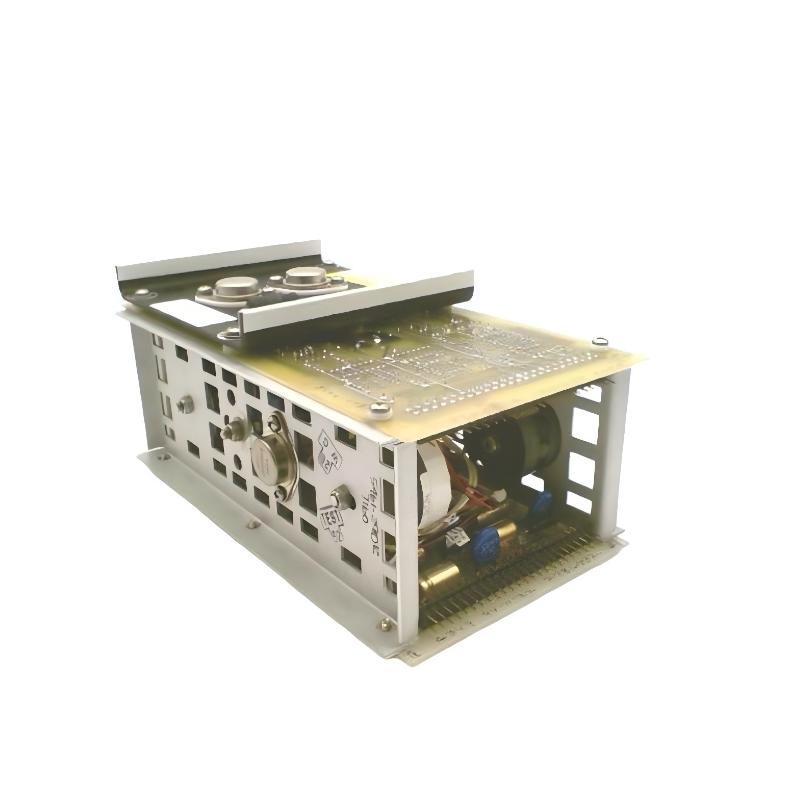
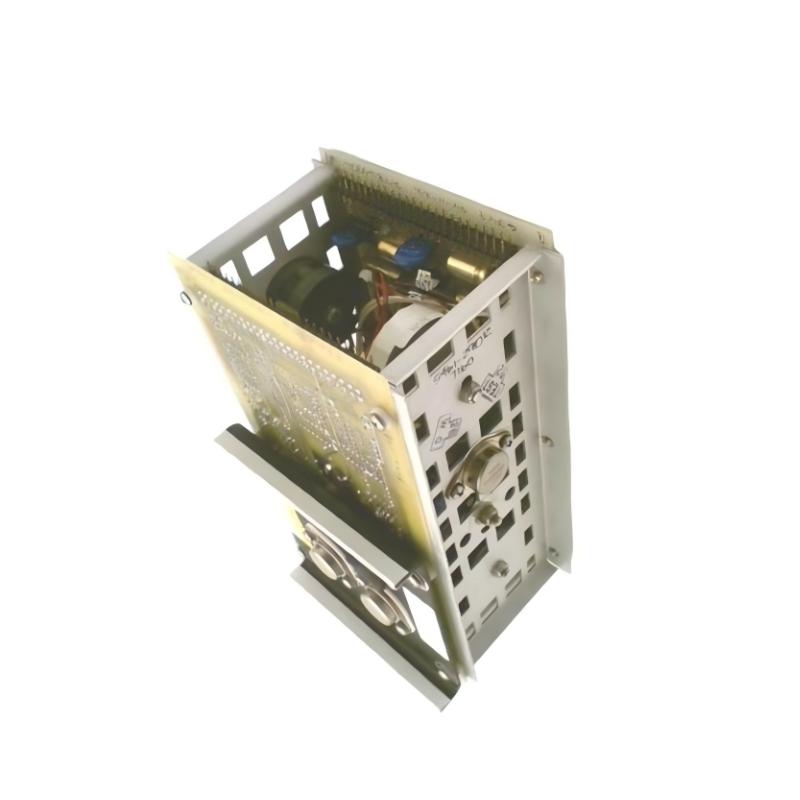
The Woodward 5461-290 Power Supply Module plays a fundamental role in maintaining the operational stability of control systems. Automation platforms rely on consistent and regulated power to ensure that processors, communication modules, and input/output hardware function correctly.
In applications such as turbine control or industrial process automation, even minor fluctuations in supply voltage can disrupt system performance. By delivering a stable power source, the module protects sensitive electronics and ensures that the control system maintains continuous operation.
The compact design of the module allows it to be integrated easily into control cabinets without requiring extensive panel space. This is particularly valuable in industrial installations where equipment density is high and panel layouts must remain efficient.
Through reliable voltage regulation and industrial-grade construction, the module supports dependable operation of Woodward-based control infrastructures.
Technical Specifications
| Parameter | Specification |
|---|
| Manufacturer | Woodward |
| Model | 5461-290 |
| Module Type | Power Supply Module |
| Function | Regulated power supply for control systems |
| System Compatibility | Woodward control platforms |
| Installation | Industrial control cabinet or rack |
| Protection Features | Voltage regulation and electrical protection |
| Industrial Application | Power supply for automation hardware |
| Dimensions | 180 × 95 × 50 mm |
| Weight | 1.47 kg (3.2408 lb) |
Typical Installation Scenarios in Control Systems
The Woodward 5461-290 Power Supply Module is designed to provide stable electrical power to industrial control systems and automation hardware. In environments where system reliability is critical, a dependable power supply module ensures that controllers, I/O modules, and communication interfaces operate continuously without interruption.
Common deployment environments include:
-
Power generation facilities, supplying regulated power to turbine control systems and supervisory automation equipment.
-
Industrial turbine and engine control applications, where stable voltage is required to maintain precise control logic and monitoring functions.
-
Oil and gas processing installations, supporting control panels responsible for compressor, pump, and safety system management.
-
Marine propulsion and energy systems, where compact and reliable power modules support onboard automation networks.
-
Industrial automation cabinets, providing regulated power to distributed control systems and monitoring devices.
In these settings, consistent power delivery is essential to prevent system instability or unexpected shutdowns.
Performance Characteristics and Benefits
Stable Power Regulation
The module is engineered to deliver consistent voltage levels, ensuring reliable operation of connected control electronics.
Designed for Industrial Control Systems
Built to meet the requirements of demanding automation environments, the module supports long-term operation within control cabinets and equipment racks.
Compact Mechanical Design
Its space-efficient form factor allows it to fit easily into control panels where installation space may be limited.
Protection Against Electrical Disturbances
Internal protection circuits help guard against voltage fluctuations and electrical disturbances common in industrial power networks.
Simplified System Integration
The module integrates smoothly with Woodward control architectures and related automation hardware.
Technical FAQs
1. What is the primary function of the 5461-290 module?
It provides regulated electrical power to control system components, ensuring stable operation of connected modules and devices.
2. What types of systems typically rely on this power supply module?
Turbine control systems, industrial automation platforms, and distributed control systems commonly use it.
3. How does the module maintain voltage stability?
Internal regulation circuits adjust output levels to maintain consistent voltage even when input conditions fluctuate.
4. Can the module operate in high-demand industrial environments?
Yes, it is designed for continuous operation in control cabinets where reliability is essential.
5. What happens if input power fluctuates?
The module’s regulation circuitry helps stabilize the output voltage to protect connected control hardware.
6. Does the module include protection features?
Power supply modules typically incorporate protection mechanisms such as overcurrent and overvoltage protection.
7. Can the module be used in redundant power configurations?
In some control architectures, multiple power modules may be installed to support redundant system designs.
8. What maintenance practices help ensure reliable operation?
Periodic inspection of wiring, ventilation, and connection points helps maintain stable performance.
9. How is the module typically installed?
It is mounted within industrial control cabinets or equipment racks as part of a larger automation system.
10. Why is a dedicated power supply module important in control systems?
Dedicated modules provide stable and isolated power, preventing disturbances from affecting sensitive control electronics.
 A DCS Q Co., Ltd. - PLC and DCS Industrial Control Equipment Wholesale