Functional Overview
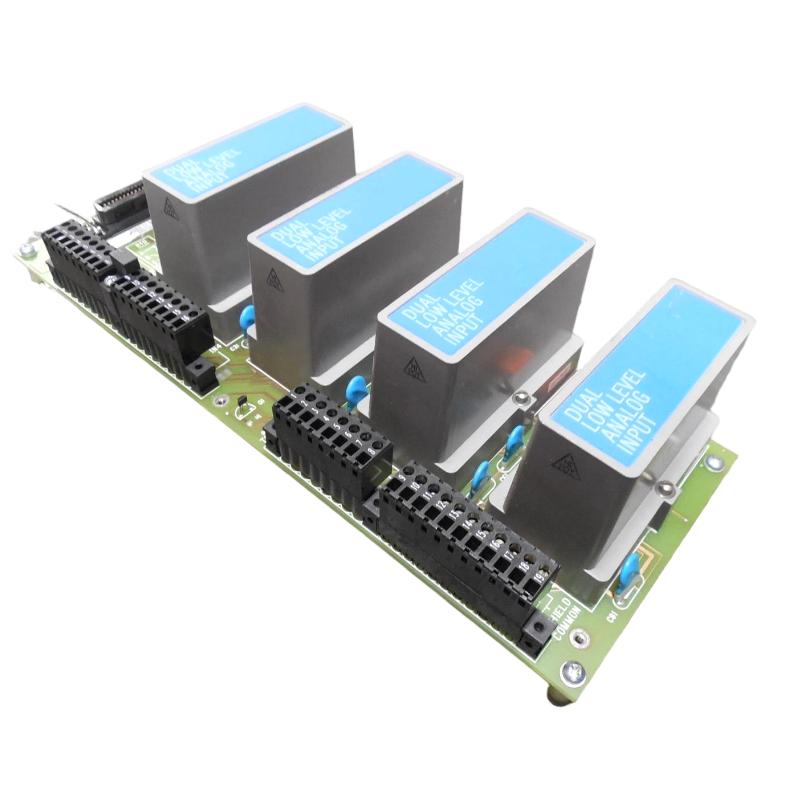
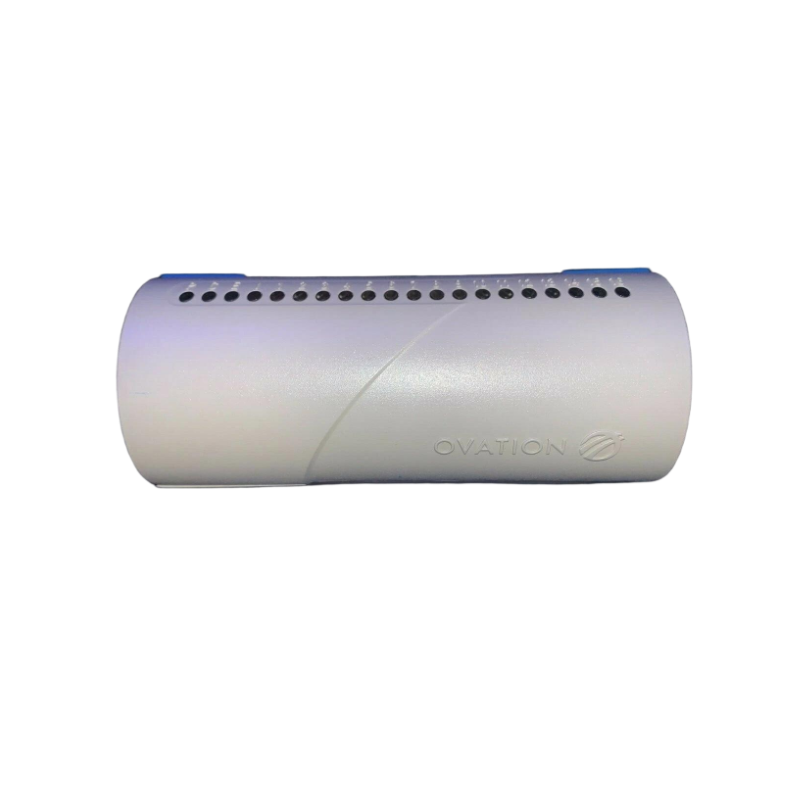
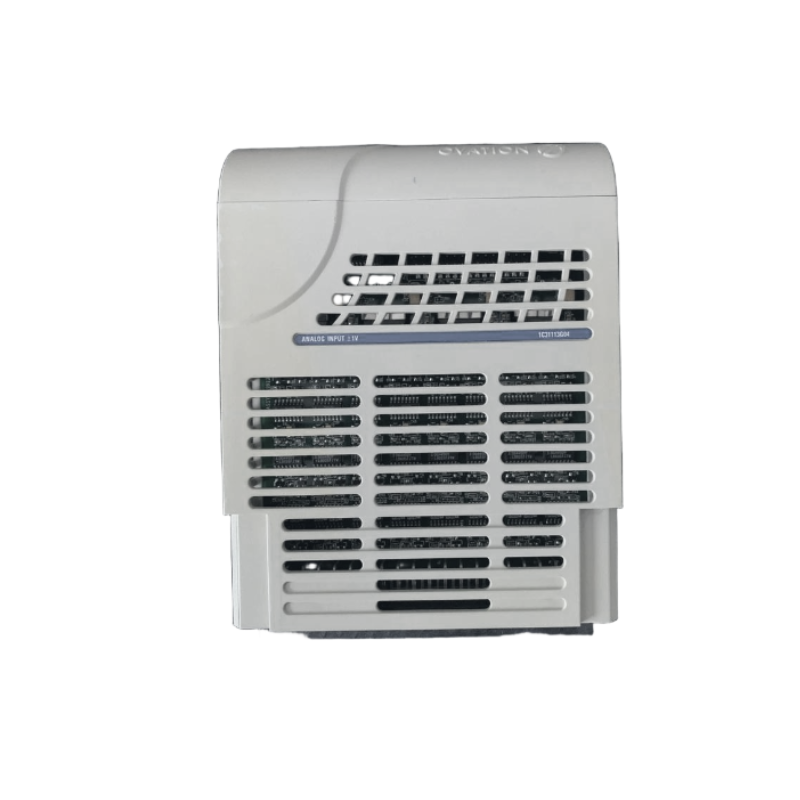
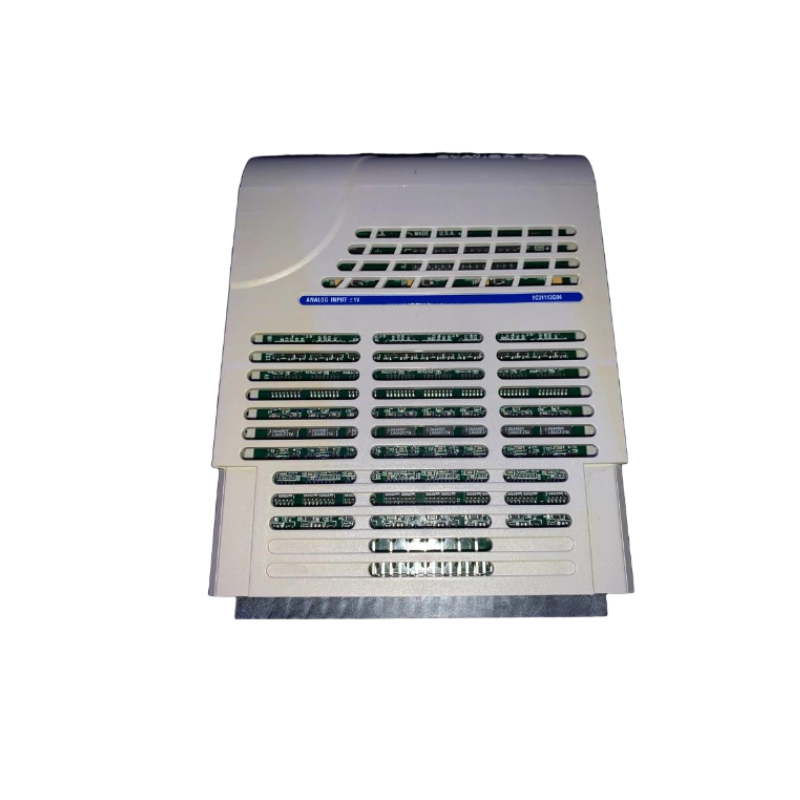
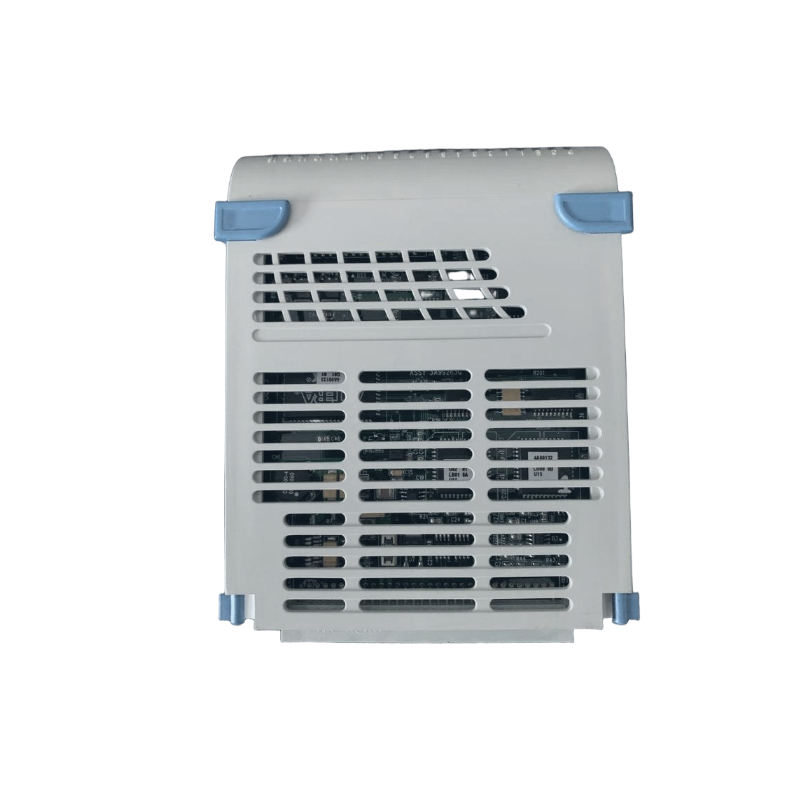
The Ovation 1C31113G04 Analog Input Module serves as an interface between field instrumentation and the Ovation control processors. Industrial automation systems rely heavily on real-time measurement data, and this module ensures that those signals are accurately captured and transmitted for analysis and control.
For example, a pressure transmitter installed on a steam line may continuously measure system pressure and send a current signal to the module. The module converts this analog signal into digital information that the Ovation control system can interpret. Once processed, the data may be used to regulate valves, adjust pump speeds, or trigger alarms if abnormal conditions occur.
Because industrial plants often operate continuously, reliability and measurement stability are essential. The module’s design supports consistent signal acquisition, enabling plant operators to maintain visibility into process conditions and make informed operational decisions.
By integrating seamlessly within the Ovation I/O architecture, the module supports scalable monitoring and control strategies across large industrial facilities.
Technical Specifications
| Parameter | Specification |
|---|
| Manufacturer | Ovation |
| Model | 1C31113G04 |
| Module Type | Analog Input Module |
| Input Type | Industrial analog transmitter signals |
| Signal Interface | Continuous process variable input |
| System Compatibility | Ovation Distributed Control System |
| Mounting | Ovation I/O rack installation |
| Diagnostic Features | Channel status indicators and system diagnostics |
| Industrial Application | Process measurement acquisition |
| Dimensions | 121 × 51 × 140 mm |
| Weight | 0.3 kg (0.6614 lb) |
Typical Use in Measurement and Control Systems
The Ovation 1C31113G04 Analog Input Module is used to collect continuous measurement signals from industrial transmitters and deliver those signals to the Ovation distributed control system for processing. In many automated facilities, analog measurements represent the core variables that determine how control systems respond to changing operating conditions.
Common implementation scenarios include:
-
Power plant process monitoring, where temperature, pressure, and flow transmitters supply operational data to turbine and boiler control systems.
-
Water and wastewater treatment plants, capturing measurement signals related to tank levels, chemical dosing, and filtration processes.
-
Chemical manufacturing facilities, monitoring reaction conditions that require stable and accurate process measurement.
-
Industrial utility networks, collecting analog signals from steam systems, cooling circuits, and compressed air distribution.
-
Large-scale production lines, where continuous measurement data supports process optimization and quality control.
In these environments, the module plays a crucial role in ensuring that the control system receives reliable data from field instruments.
Performance Benefits in Industrial Installations
Accurate Analog Signal Capture
The module is designed to reliably interpret signals from industrial transmitters, ensuring accurate representation of process variables.
Optimized for Ovation Control Architecture
It integrates directly into the Ovation distributed control platform, enabling efficient communication between field instrumentation and system controllers.
Signal Stability in Electrically Noisy Environments
Industrial plants often contain motors, drives, and high-current equipment. Internal filtering helps maintain signal clarity under such conditions.
Flexible System Expansion
The modular design allows engineers to add additional measurement channels as plant monitoring requirements grow.
Clear Diagnostic Feedback
Status indicators and system-level diagnostics help maintenance teams identify wiring issues or instrument faults quickly.
Technical FAQs
1. What types of process instruments are commonly connected to this module?
Pressure transmitters, temperature transmitters, flow meters, and level sensors are typical field devices.
2. What analog signal format is most frequently used with the module?
Most industrial transmitters use 4–20 mA current signals, which are widely supported in process control systems.
3. How does the module maintain signal accuracy?
Signal conditioning circuits help stabilize the incoming analog signals and reduce electrical noise interference.
4. Can the module support continuous monitoring in critical processes?
Yes, it is designed for long-term continuous operation in industrial control environments.
5. Where is signal scaling configured?
Scaling and engineering unit conversion are generally configured within the Ovation control software.
6. How are abnormal input values handled?
The control system can generate alarms or protective responses if signals exceed configured limits.
7. Is redundant system operation supported?
When used in Ovation systems designed for redundancy, the module operates within the distributed I/O structure supporting the redundant architecture.
8. What wiring practices are recommended for analog signals?
Shielded cables and proper grounding help maintain measurement accuracy and reduce interference.
9. Can the module detect transmitter faults?
Diagnostic monitoring within the system can identify signal loss, open circuits, or abnormal readings.
10. How is measurement data used once it enters the control system?
The data supports control loops, alarm systems, operator displays, and historical performance analysis.
 A DCS Q Co., Ltd. - PLC and DCS Industrial Control Equipment Wholesale