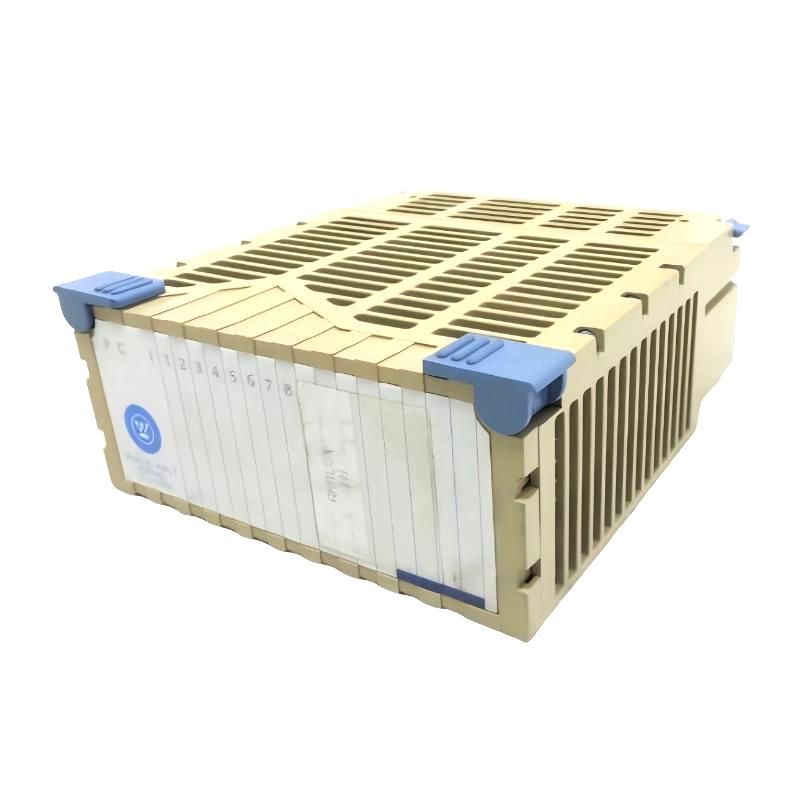
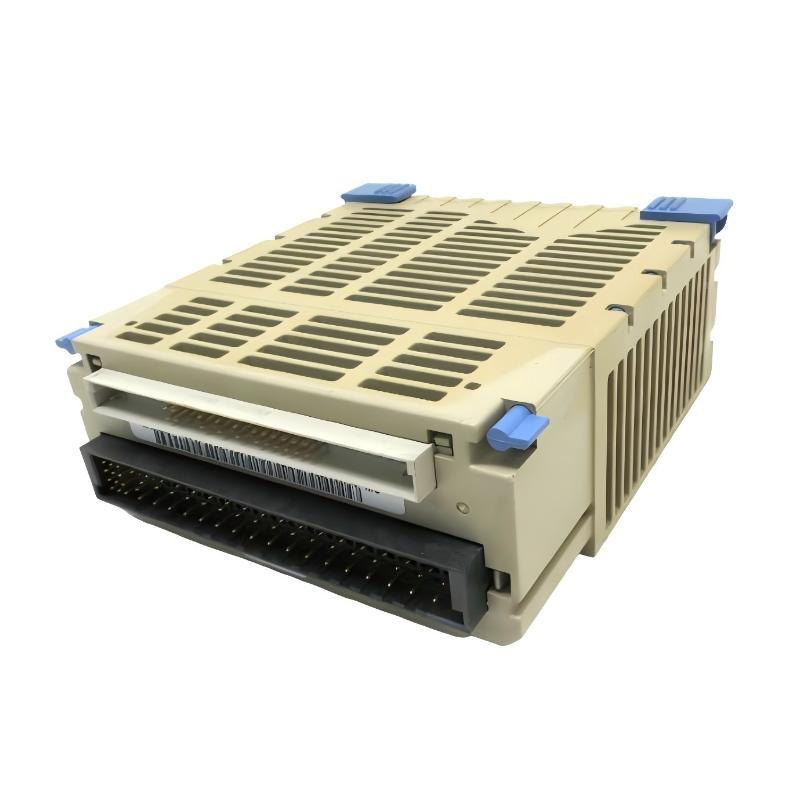
Module Overview
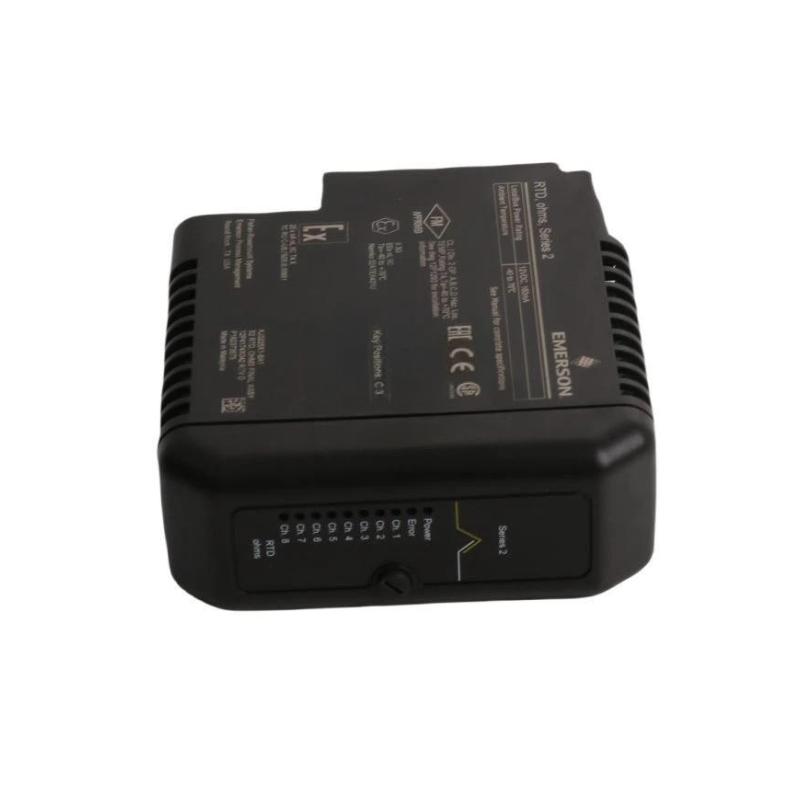
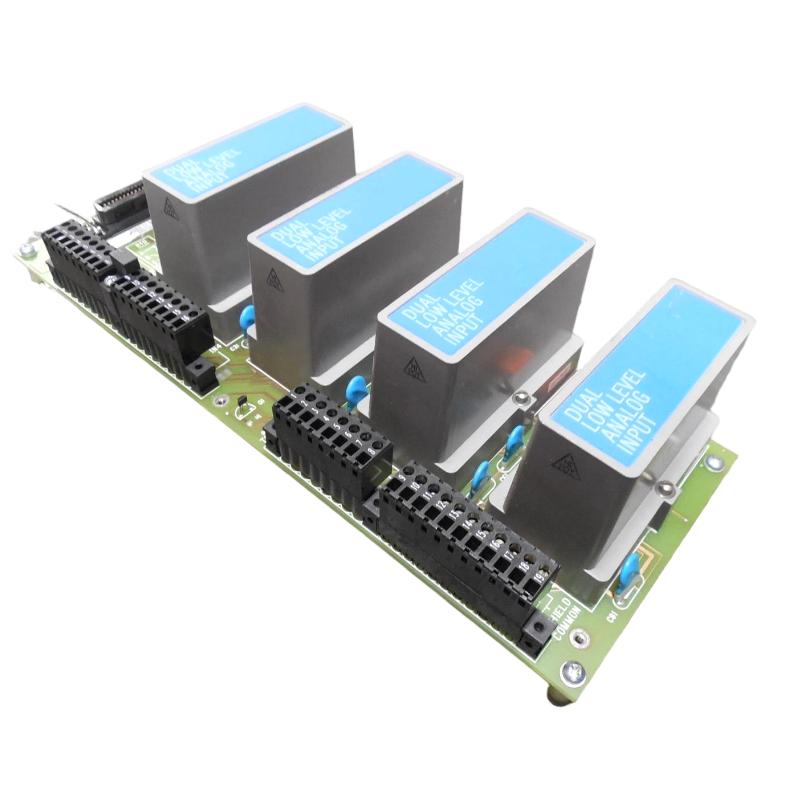
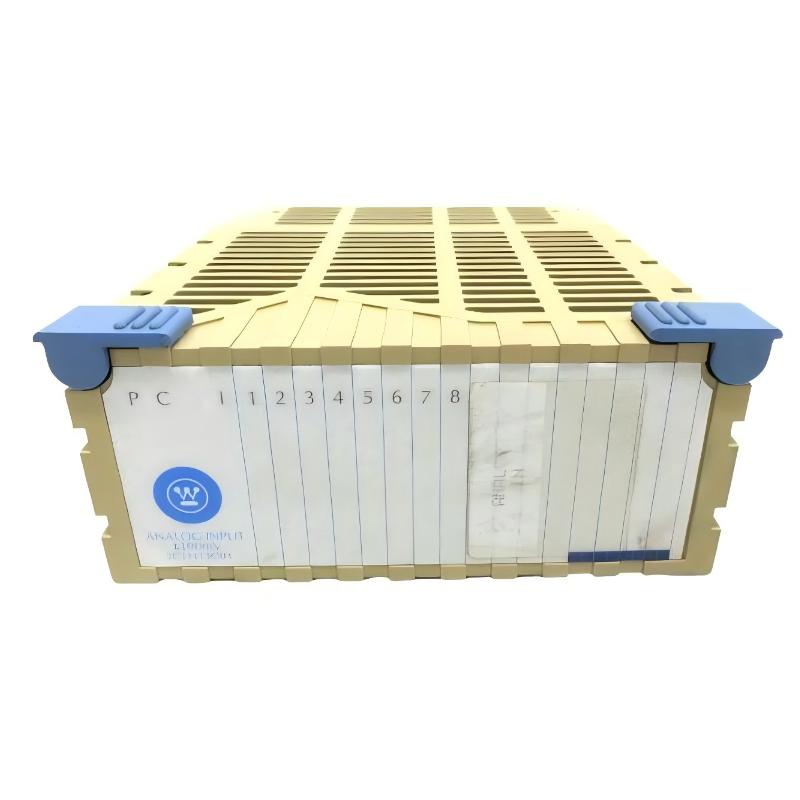
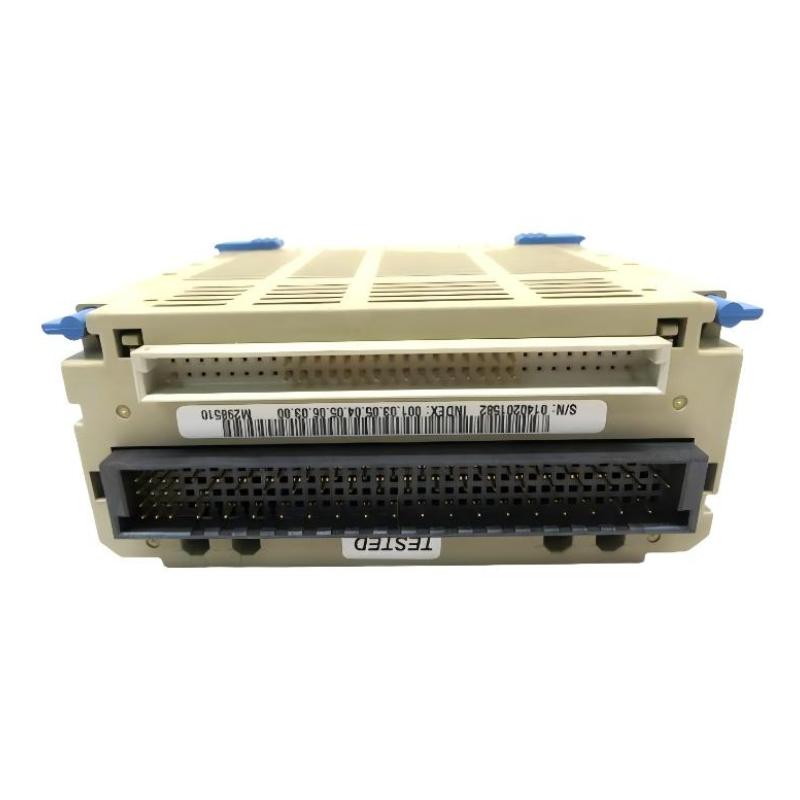
Within the Ovation automation platform, the 1C31113G03 Analog Input Module functions as an interface between field instrumentation and digital control logic. Industrial plants rely on a vast network of sensors to track operational conditions, and the module ensures these signals are accurately captured and transmitted to the control processors.
When a transmitter measures a variable such as temperature or pressure, it sends an analog signal representing that measurement. The module receives this signal, converts it into digital data, and passes it to the Ovation controller where it can be analyzed, displayed, or used in automated control strategies.
Accurate measurement is essential for maintaining process efficiency and preventing unsafe conditions. By delivering stable and consistent input data, the module supports closed-loop control systems, alarm monitoring, and operational diagnostics across the facility.
Its integration within the Ovation I/O architecture allows industrial facilities to expand monitoring capacity while maintaining system reliability and maintainability.
Technical Specifications
| Parameter | Specification |
|---|
| Manufacturer | Ovation |
| Model | 1C31113G03 |
| Module Type | Analog Input Module |
| Input Type | Industrial analog transmitter signals |
| Signal Interface | Continuous process measurement input |
| System Compatibility | Ovation Distributed Control System |
| Mounting | Ovation I/O rack installation |
| Diagnostic Features | Channel monitoring and status indicators |
| Application | Process variable acquisition |
| Dimensions | 177 × 64 × 110 mm |
| Weight | 5.44 kg (11.9938 lb) |
Industrial Process Monitoring Applications
The Ovation 1C31113G03 Analog Input Module is designed to capture continuous measurement signals from field instrumentation and deliver them to the Ovation distributed control system. These measurements form the foundation of modern industrial automation, enabling control systems to track process variables and respond to changing operational conditions.
The module is commonly used in environments such as:
-
Power generation facilities, where pressure, temperature, and flow transmitters provide critical data for turbine and boiler operation.
-
Petrochemical and refining plants, supporting continuous monitoring of process variables in distillation, cracking, and blending systems.
-
Water and wastewater treatment plants, integrating sensor signals related to tank levels, chemical dosing rates, and filtration processes.
-
Pulp and paper manufacturing, where stable measurement of pulp consistency, temperature, and pressure ensures product quality.
-
Industrial utilities systems, monitoring steam distribution, cooling circuits, and compressed air systems.
In each of these settings, accurate analog data collection ensures the control system can maintain stable and efficient plant operations
Operational Advantages in Field Deployment
Stable Measurement Acquisition
The module reliably captures analog signals from industrial transmitters, ensuring consistent process data for monitoring and control.
Purpose-Built for Ovation Systems
Engineered specifically for Ovation distributed control environments, the module integrates smoothly with system controllers and I/O frameworks.
Improved Signal Conditioning
Internal circuitry helps maintain signal clarity and reduces interference from electrical noise commonly found in industrial installations.
Scalable Control System Integration
As part of the Ovation I/O structure, the module allows control engineers to expand analog measurement capacity without altering the core system architecture.
Diagnostic Visibility for Maintenance Teams
Channel indicators and system-level monitoring provide quick insight into signal status and help identify wiring or instrument issues.
Technical FAQs
1. What types of process instruments connect to the module?
Typical devices include pressure transmitters, temperature transmitters, flow meters, and level sensors that output standard industrial signals.
2. What analog signal formats are usually supported in Ovation analog input modules?
Most commonly, industrial transmitters provide 4–20 mA current signals that the module converts into digital data for the control system.
3. How does the module maintain measurement accuracy?
Signal conditioning circuits filter noise and stabilize incoming analog signals before they are processed by the control system.
4. Can the module support continuous real-time monitoring?
Yes. It is designed to handle continuous signal acquisition for long-running industrial processes.
5. How is scaling applied to the analog signals?
Scaling parameters are typically configured within the Ovation control software environment.
6. What happens if a signal goes outside its normal operating range?
The system can trigger alarms or protective control logic when abnormal measurement values are detected.
7. Can the module operate in systems with redundant controllers?
Yes. When used within Ovation architectures configured for redundancy, it operates as part of the distributed I/O infrastructure.
8. Are special wiring practices recommended for analog inputs?
Shielded and properly grounded cables are often recommended to minimize electrical interference.
9. How can technicians diagnose a failed transmitter connection?
System diagnostics and abnormal channel readings typically indicate signal loss or wiring faults.
10. Is the module suitable for large-scale measurement networks?
Yes. Ovation systems are designed to manage thousands of measurement points, and this module supports that scalable architecture.
 A DCS Q Co., Ltd. - PLC and DCS Industrial Control Equipment Wholesale