Common Industry Implementation Scenarios
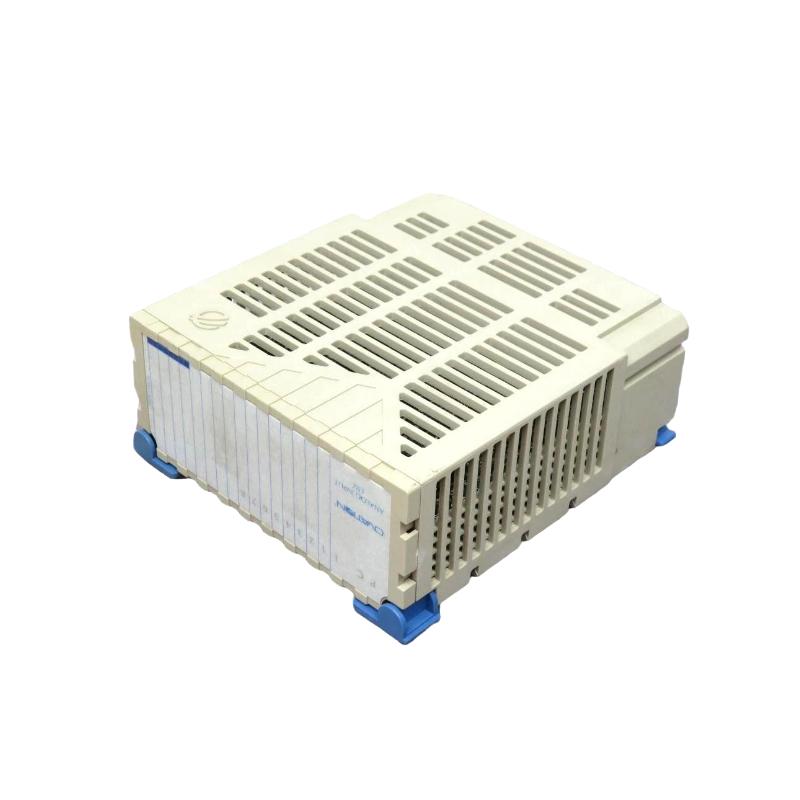
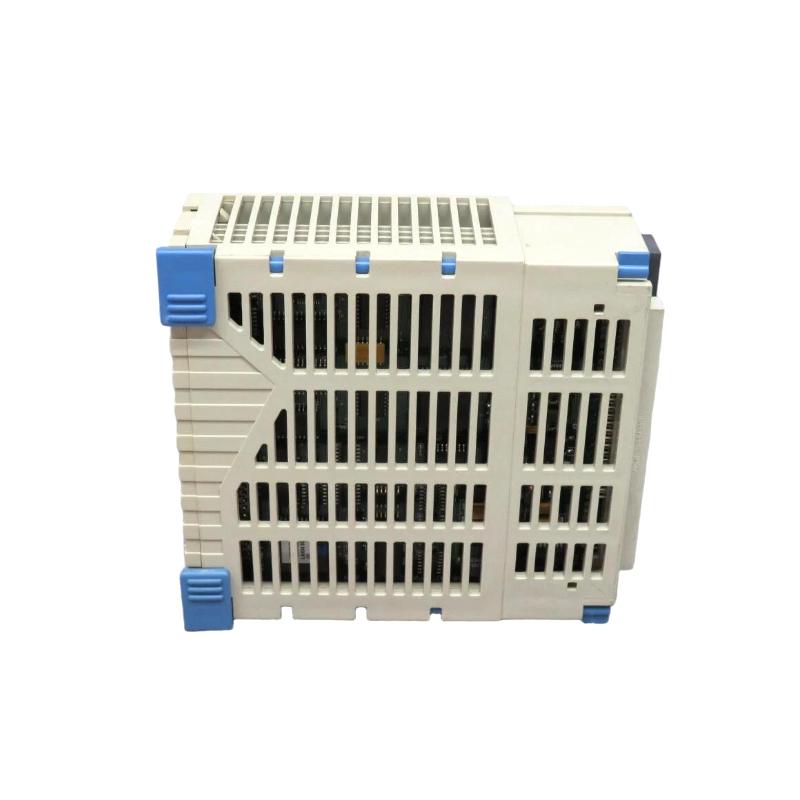
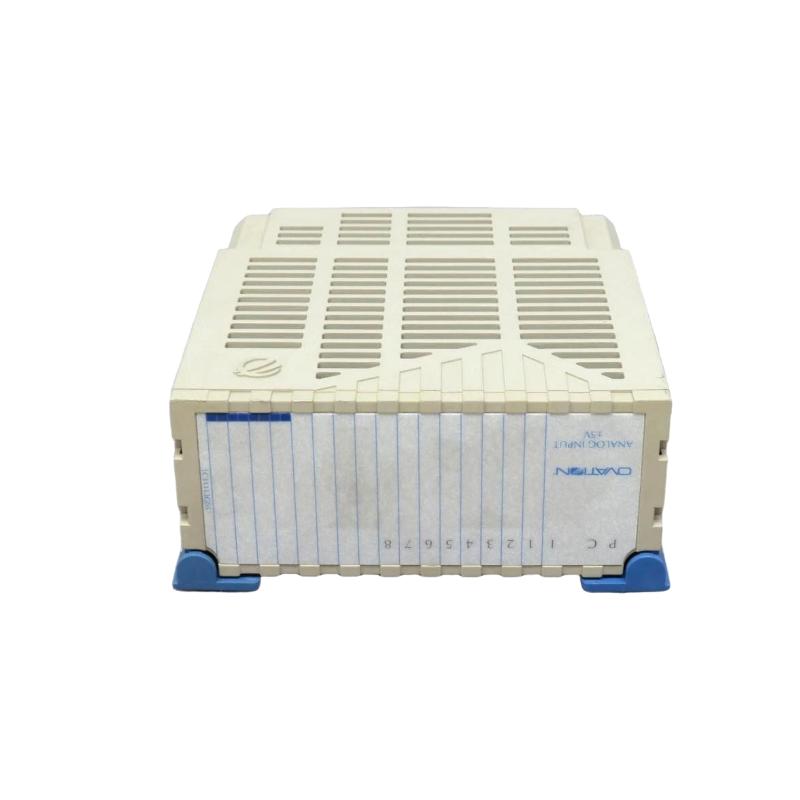
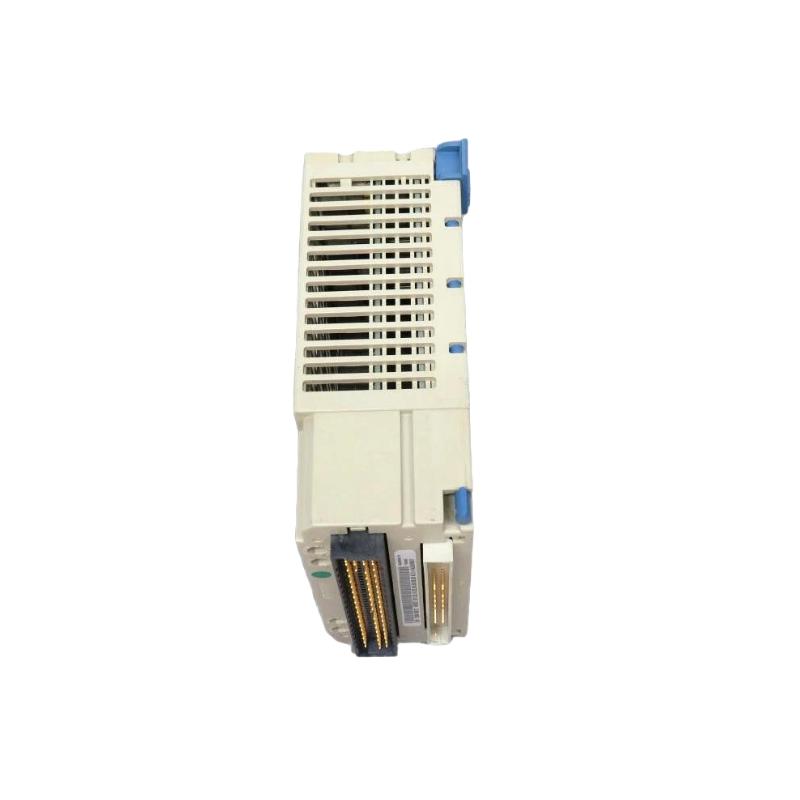
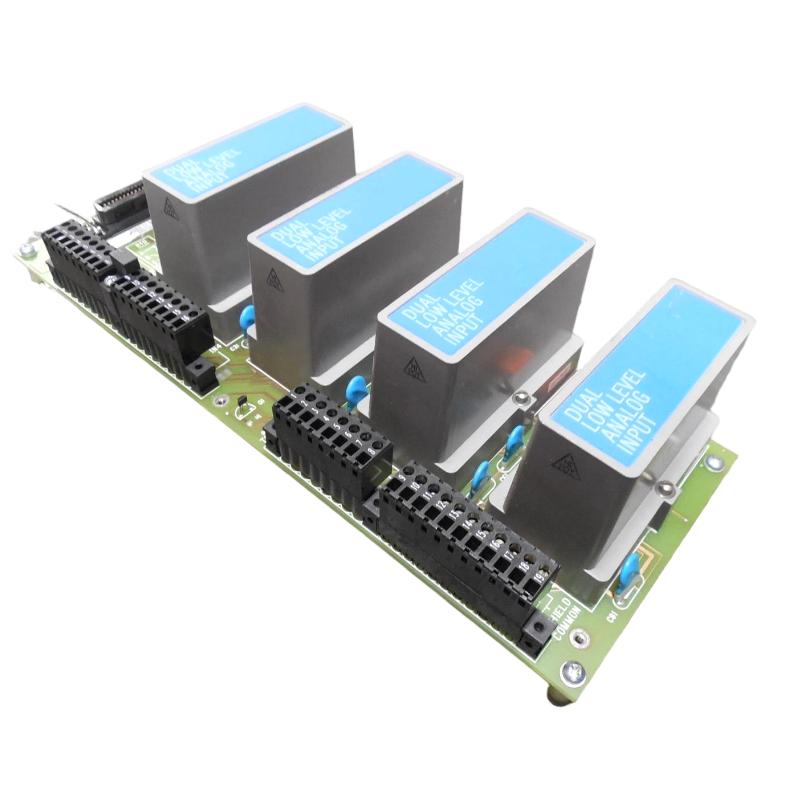
The Ovation 1C31113G02 Analog Input Module is designed to capture and transmit continuous analog signals from field instrumentation into the Ovation distributed control system. In modern industrial automation environments, analog measurements are essential for maintaining process stability, ensuring operational safety, and enabling accurate monitoring of production parameters.
Typical industrial applications include:
-
Thermal and hydroelectric power stations, where the module collects temperature, pressure, and flow signals from transmitters installed throughout turbine and boiler systems.
-
Oil refining and chemical processing facilities, monitoring process variables that influence reaction stability and product quality.
-
Water treatment infrastructure, integrating signals from level transmitters, chemical dosing sensors, and flow measurement devices.
-
Energy distribution and utility systems, supervising cooling water circuits, fuel supply pressures, and auxiliary plant services.
-
Industrial manufacturing plants, where continuous analog data feeds control loops responsible for maintaining precise operating conditions.
By converting real-world instrument signals into digital data, the module allows control algorithms to respond accurately to dynamic process conditions.
Operational Benefits for Control Engineers
Reliable Process Data Acquisition
The module ensures stable reception of analog signals from field transmitters, providing dependable measurement data for control and monitoring systems.
Integration with Ovation Control Architecture
It is specifically engineered to work within Ovation distributed control environments, enabling straightforward configuration and system compatibility.
Improved Signal Integrity
Internal signal conditioning circuits help maintain measurement accuracy even in electrically noisy industrial environments.
Efficient System Expansion
Its modular design allows engineers to expand measurement capacity within Ovation I/O racks without major system redesign.
Maintenance-Friendly Diagnostics
Status indicators and system-level diagnostic tools support rapid troubleshooting and help maintenance teams identify sensor or wiring issues.
Technical FAQs
1. What types of analog signals can the module receive?
The module is typically used with standard industrial transmitter outputs such as 4–20 mA current signals.
2. Which field devices are commonly connected to this module?
Pressure transmitters, temperature transmitters, flow sensors, and level measurement instruments are typical examples.
3. How does the module protect measurement accuracy in industrial environments?
Signal conditioning and filtering circuits reduce the effects of electrical interference and noise.
4. Can the module be used in closed-loop control systems?
Yes. The data collected by the module can feed PID loops and other control algorithms within the Ovation system.
5. Is signal scaling handled within the hardware or the control system?
Scaling is generally configured within the Ovation control software environment.
6. How are abnormal signal conditions detected?
The system can identify conditions such as out-of-range values, transmitter failure, or signal loss through diagnostics.
7. Can the module operate in systems with redundant controllers?
Yes, when used in Ovation architectures designed for redundancy, the module functions within the distributed I/O structure.
8. What wiring practices help ensure stable signal transmission?
Shielded cables and proper grounding are recommended for long-distance transmitter connections.
9. Is the module suitable for continuous industrial operation?
Yes, it is designed for long-term operation in industrial control cabinets and process plants.
10. How does the system react if a transmitter signal is interrupted?
Configured alarms and fail-safe control logic can alert operators or trigger protective responses.
 A DCS Q Co., Ltd. - PLC and DCS Industrial Control Equipment Wholesale