Where This Module Is Typically Used
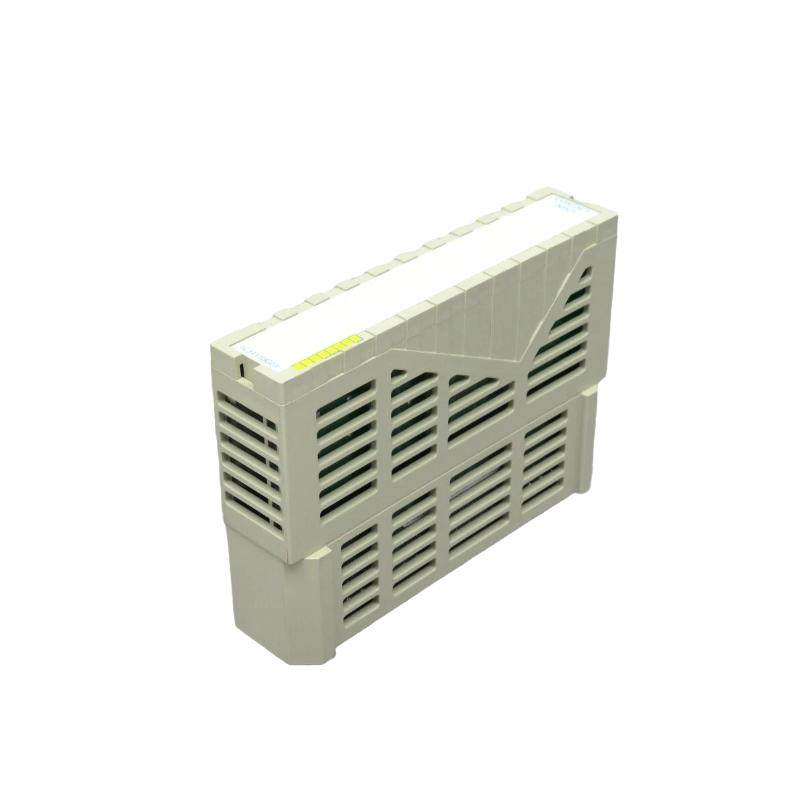
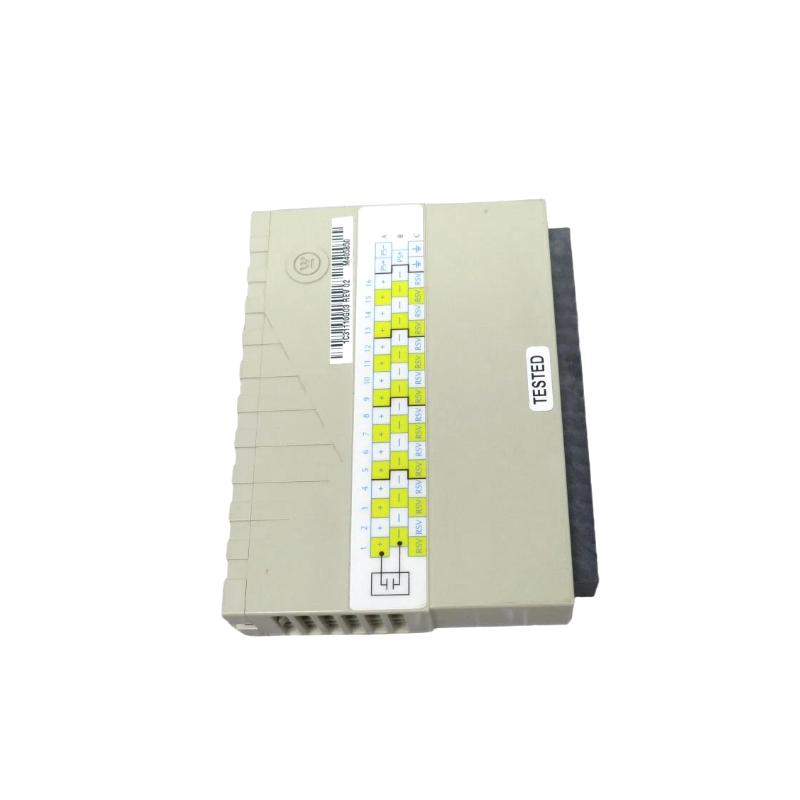
The Ovation 1C31110G03 Contactor Input Module is engineered to capture discrete field signals generated by contactors, relays, and auxiliary switch contacts within industrial control systems. In Ovation-based distributed control architectures, these signals provide critical equipment status feedback used for sequencing, alarm generation, and operational verification.
Common industrial implementations include:
-
Power generation facilities, where motor starter contact feedback confirms equipment operation such as feedwater pumps, fans, and auxiliary drives.
-
Water treatment plants, monitoring valve limit switches and pump status contacts within automated pumping stations.
-
Heavy process industries, collecting discrete operational signals from compressors, conveyors, and mechanical equipment.
-
Utility infrastructure systems, where breaker status and relay feedback must be continuously supervised.
-
Plant-wide monitoring frameworks, integrating thousands of discrete device states into centralized automation logic.
These environments rely on dependable contact status detection to maintain process visibility and operational safety.
Engineering Advantages in Practical Operation
Stable Contact Signal Acquisition
The module reliably interprets dry-contact signals from field devices, ensuring accurate status feedback for supervisory control.
Designed for Ovation System Compatibility
The hardware architecture aligns directly with Ovation I/O frameworks, simplifying configuration and system integration.
Industrial Electrical Protection
Internal filtering and protection circuitry reduce the risk of false triggering caused by electrical noise or transient disturbances.
Efficient Rack Integration
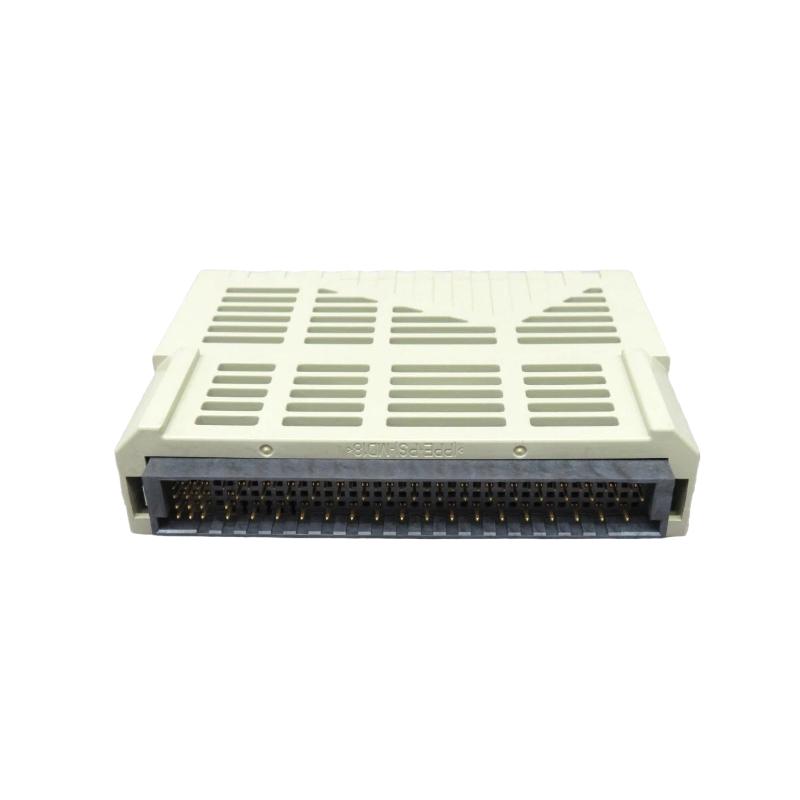
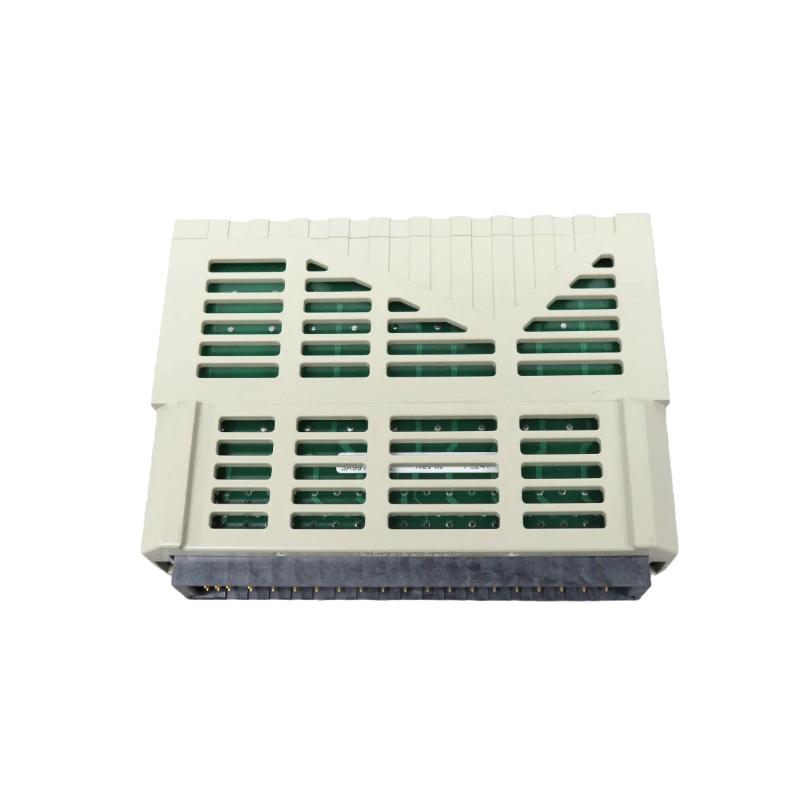
Its mechanical form factor supports fast installation within Ovation I/O racks, allowing streamlined expansion of discrete input capacity.
Enhanced System Diagnostics
Integrated indicators and system-level monitoring assist maintenance teams in quickly identifying signal states and troubleshooting wiring issues.
Technical Questions Engineers Often Ask
1. What kind of field devices typically connect to this module?
Motor contactors, auxiliary relay contacts, limit switches, and protection relay outputs are commonly connected.
2. How does the module ensure reliable signal recognition?
The input circuitry conditions incoming contact signals and filters electrical noise to provide clean digital status information.
3. Can the module detect short-duration contact transitions?
Yes, it is designed to detect switching events within normal industrial relay and contactor response ranges.
4. Does the module require external signal conditioning?
No additional conditioning is typically required when connecting standard dry contacts.
5. How is channel status monitored during operation?
LED indicators and system diagnostics allow engineers to observe input activity and detect abnormal conditions.
6. Can the module participate in redundant control architectures?
When installed in Ovation systems configured for redundancy, the module operates as part of the distributed I/O infrastructure.
7. What precautions help ensure reliable input detection?
Proper grounding, shielded wiring in high-noise environments, and correct terminal connections improve long-term reliability.
8. How does the module handle electromagnetic interference?
Industrial-grade filtering and protection circuits reduce susceptibility to electrical interference.
9. Is the module suitable for continuous industrial operation?
Yes, it is designed for long-term operation in control rooms and industrial cabinets where systems run continuously.
10. What happens if a field contact wiring fault occurs?
The control system can detect abnormal input behavior through diagnostics and alarm logic configured in the Ovation platform.
 A DCS Q Co., Ltd. - PLC and DCS Industrial Control Equipment Wholesale