Module Overview
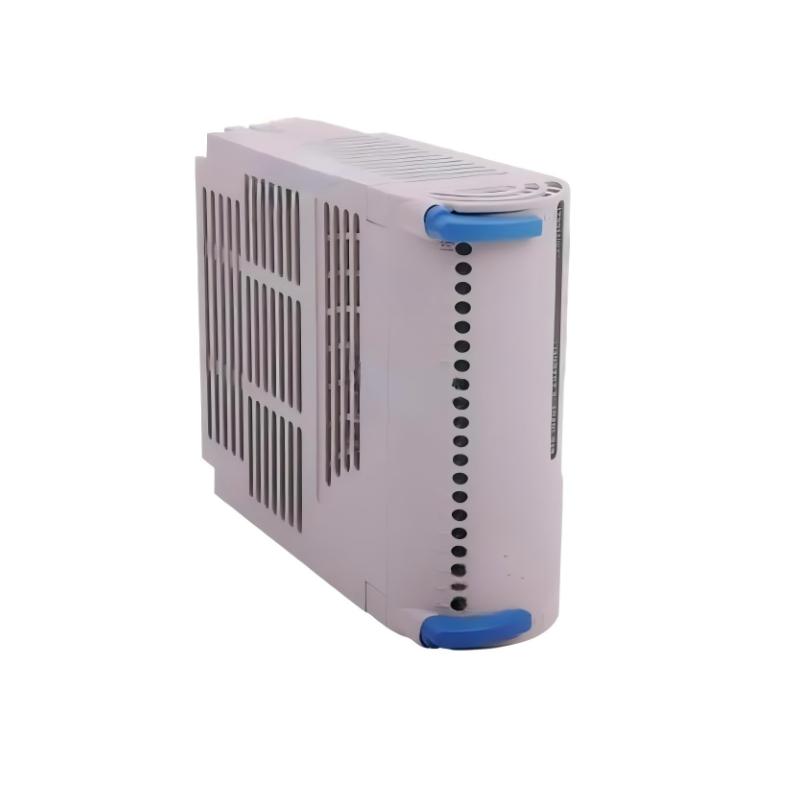
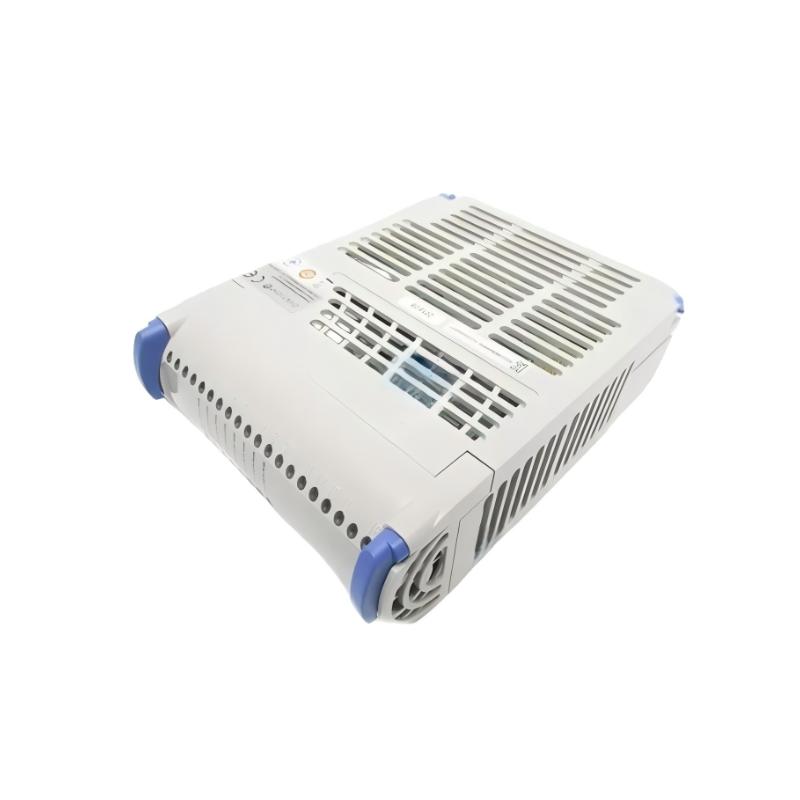
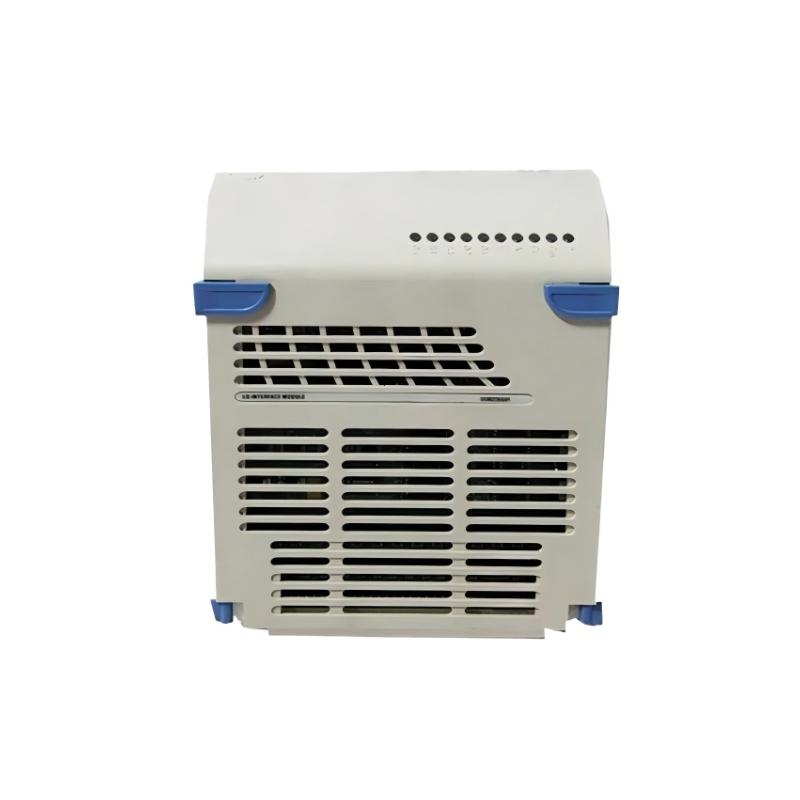
The Ovation 1C31110G02 Numeric Input Module serves as a measurement acquisition interface within the Ovation distributed control system. Industrial automation platforms rely on accurate measurement data to maintain stable process operation and ensure equipment safety.
This module receives numeric signals from multiple field transmitters and converts them into data accessible by the control system. With sixteen available input points, it supports high-density signal monitoring in process control environments.
By providing reliable signal acquisition, the module enables control algorithms to monitor operational conditions and respond to changes in process parameters. This capability is essential for industries where continuous monitoring of equipment performance and environmental conditions is required.
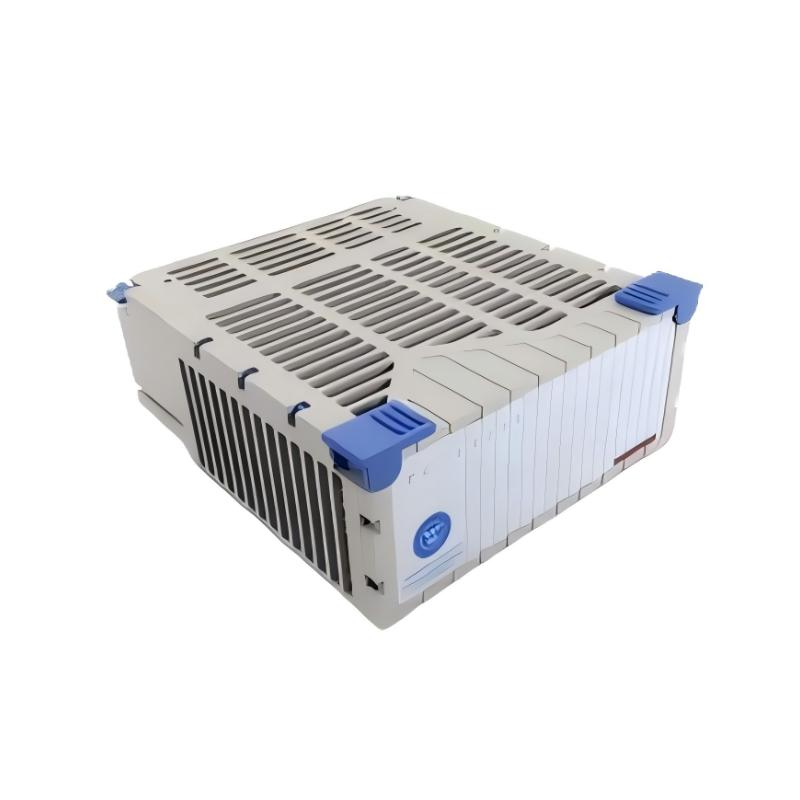
Its compact mechanical design and rack-mounted configuration make it suitable for installation in industrial control cabinets where efficient space utilization and reliable system integration are critical.
Technical Specifications
| Parameter | Specification |
|---|
| Manufacturer | Emerson Ovation |
| Model | 1C31110G02 |
| Module Type | 16-Point Numeric Input Module |
| Number of Input Channels | 16 |
| Signal Type | Numeric / analog measurement signals |
| System Compatibility | Ovation Distributed Control System |
| Installation | Rack-mounted module |
| Application | Industrial process monitoring |
| Dimensions | 180 mm × 25 mm × 130 mm |
| Weight | 0.16 kg (0.35274 lb) |
Industrial Application Scenarios
The Ovation 1C31110G02 Numeric Input Module is designed for distributed control environments where precise acquisition of multiple process signals is required. As part of the Ovation control platform, this module gathers measurement data from field transmitters and delivers it to the control system for monitoring, analysis, and control logic execution.
In power generation facilities, the module is frequently used to collect operational data from plant instrumentation such as pressure transmitters, flow meters, temperature sensors, and level measurement devices. These signals provide real-time information about turbine operation, boiler performance, and auxiliary systems.
Large-scale industrial plants also rely on numeric input modules to maintain stable process control. By receiving measurement signals from multiple field devices, the module allows the automation system to monitor process variables and respond quickly to operational changes.
With sixteen input points available, the module supports high-density signal acquisition, making it suitable for control cabinets where numerous measurement channels must be integrated efficiently.
Key Operational Advantages
High Channel Density
The module supports sixteen numeric input points, enabling efficient monitoring of multiple process signals.
Accurate Measurement Acquisition
Designed to receive numeric signals from industrial transmitters and convert them into system-readable data.
Seamless DCS Integration
The module operates within the Ovation distributed control system architecture used in energy and industrial sectors.
Efficient Cabinet Space Utilization
Its narrow module profile allows installation in densely populated control racks.
Stable Long-Term Operation
Industrial-grade construction ensures reliable performance during continuous system operation.
Technical FAQs
1. What type of signals does the 1C31110G02 module process?
It processes numeric or analog measurement signals generated by industrial field transmitters.
2. How many input points are available on the module?
The module provides sixteen numeric input channels.
3. What types of field devices typically connect to this module?
Devices such as pressure transmitters, temperature sensors, flow meters, and level transmitters are commonly connected.
4. Can the module be used in power plant automation systems?
Yes, it is widely used in power generation facilities operating with the Ovation control platform.
5. How does the module communicate with the control system?
Collected measurement signals are transmitted through the system backplane to the distributed control system processor.
6. Is the module designed for continuous industrial operation?
Yes, it is built to operate continuously in industrial automation cabinets.
7. Can multiple measurement devices be monitored simultaneously?
Yes, the sixteen channels allow simultaneous monitoring of numerous process variables.
8. What role does the module play in process monitoring?
It gathers measurement data that enables the control system to regulate and supervise plant processes.
9. Is the module suitable for large-scale automation architectures?
Yes, it can be deployed alongside other Ovation modules in scalable distributed control systems.
10. What maintenance practices are recommended for this module?
Routine diagnostics and verification of connected transmitter signals help ensure reliable operation.
 A DCS Q Co., Ltd. - PLC and DCS Industrial Control Equipment Wholesale