Product Introduction
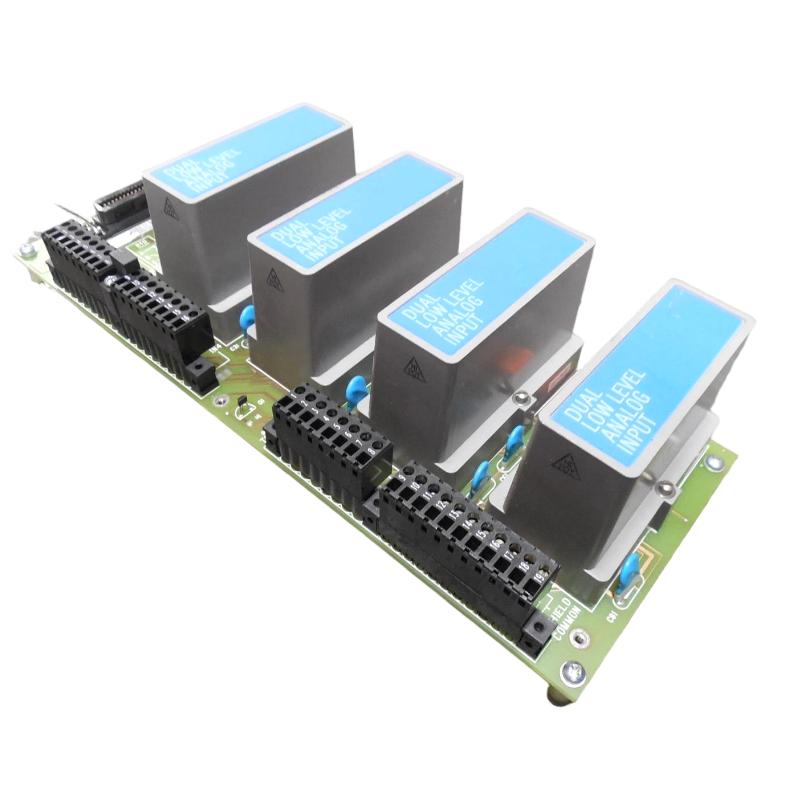
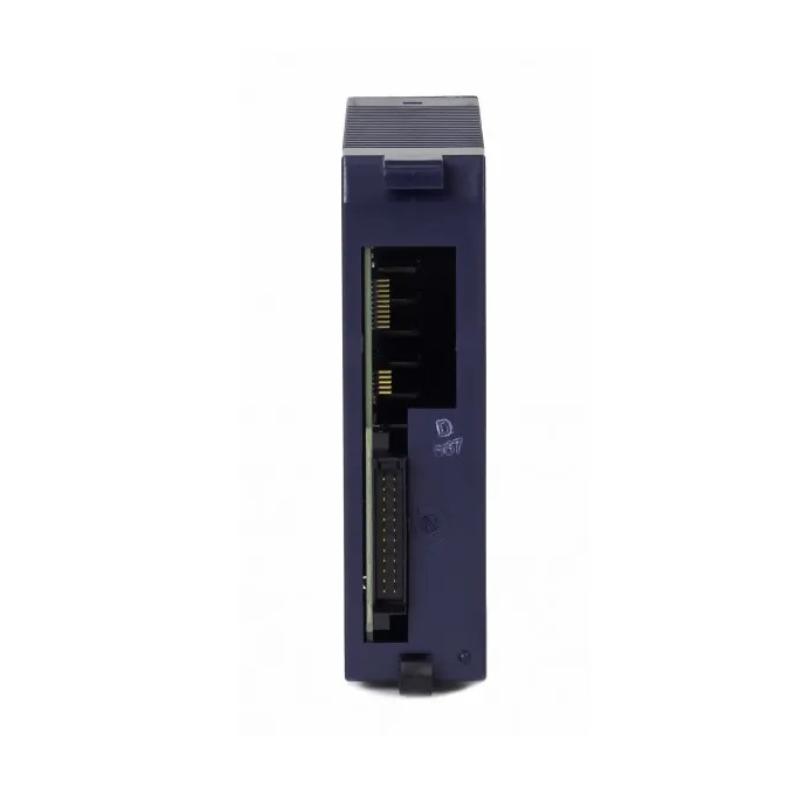
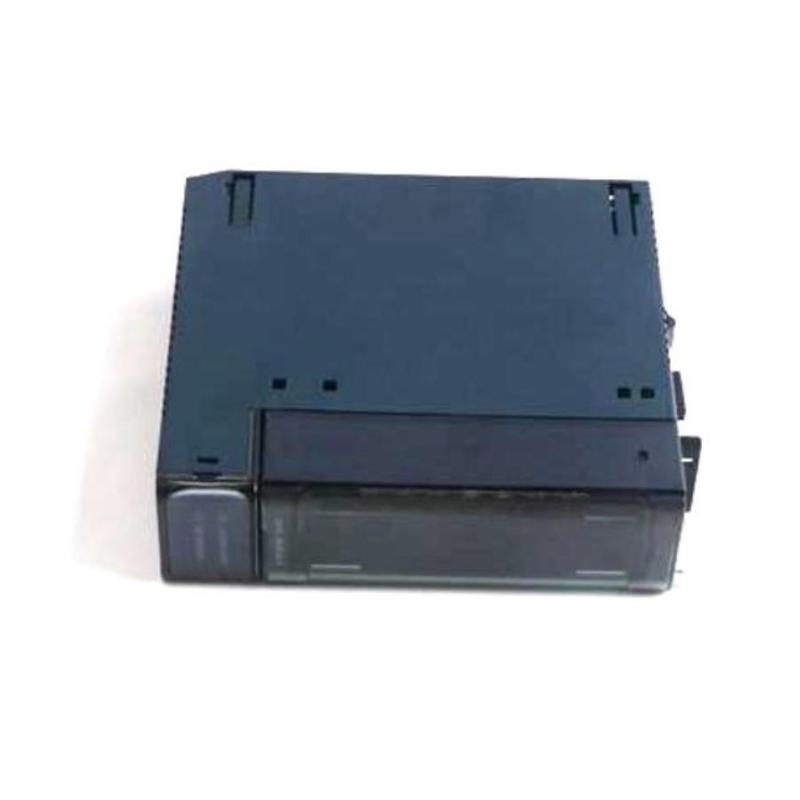
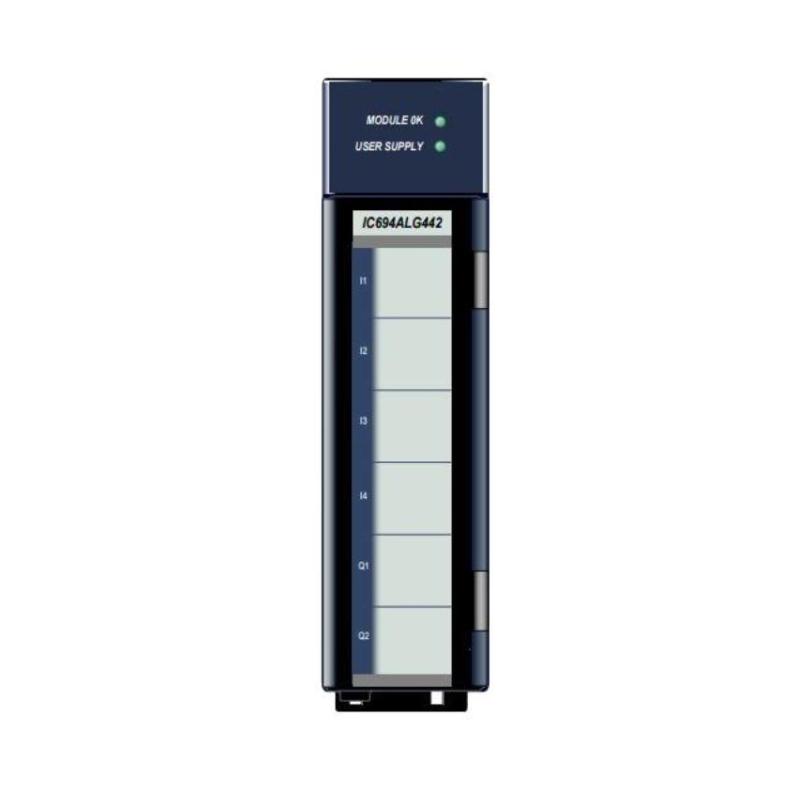
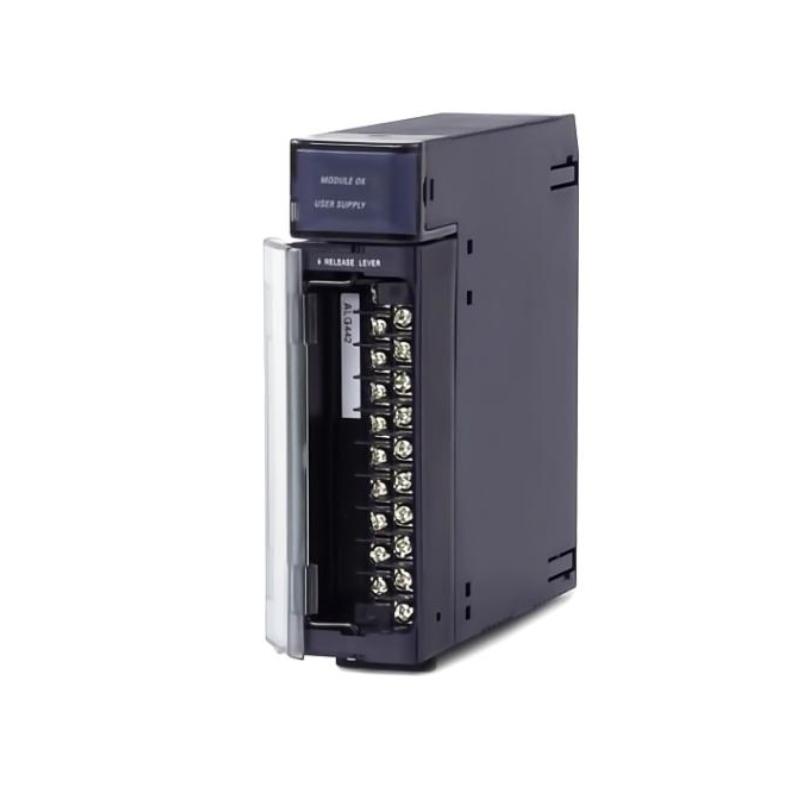
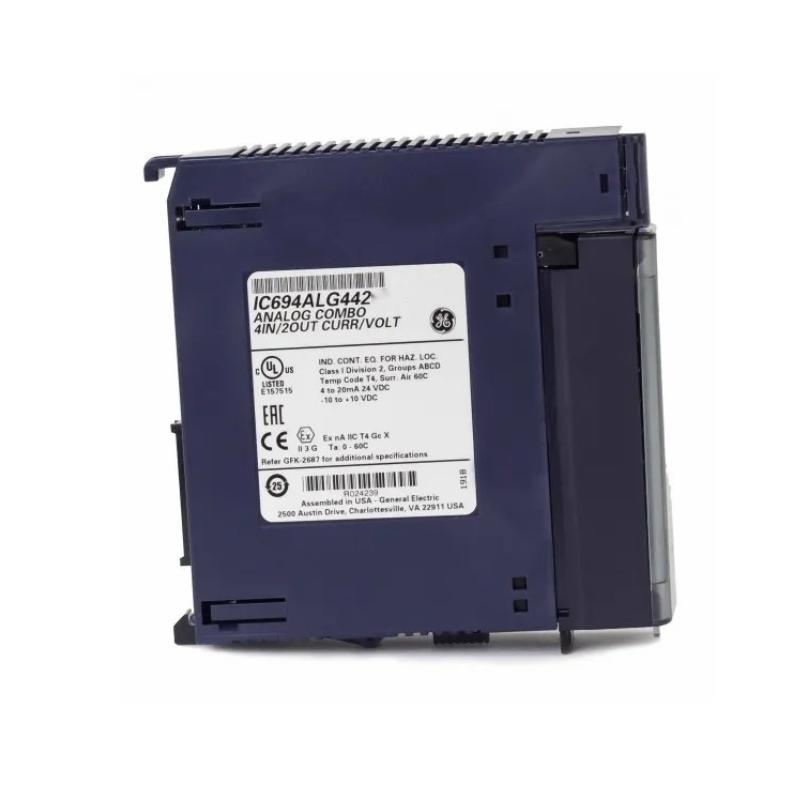
The GE IC694ALG442‑BA Analog Combination Module is a versatile industrial I/O board designed for GE Fanuc / GE Series 90‑30 PLC systems. This module delivers both analog input and analog output capability in a single module, allowing control systems to monitor real‑world process variables and drive proportional devices without requiring separate boards.
Engineered for high‑precision signal acquisition and conversion, the IC694ALG442‑BA provides reliable performance in industrial environments where accurate measurement and responsive control are essential. Its combination of inputs and outputs makes it a cost‑effective and space‑efficient choice for applications ranging from process control to machine automation.
This module integrates seamlessly into Series 90‑30 PLC racks and supports a range of analog signal types, helping engineers design flexible systems with reduced hardware complexity and robust operational performance.
Technical Specifications
| Specification | Detail |
|---|
| Brand | GE (General Electric) |
| Model | IC694ALG442‑BA |
| Module Type | Analog Combination Module |
| Series | GE Series 90‑30 PLC |
| Analog Inputs | 8 Channels (Voltage/Current) |
| Analog Outputs | 4 Channels (Voltage/Current) |
| Input Range | 0–10 V, ±10 V, 0–20 mA / 4–20 mA (configurable) |
| Output Range | 0–10 V, 0–20 mA / 4–20 mA (configurable) |
| Resolution | High‑Resolution ADC/DAC (typically 12–14 bit) |
| Signal Conditioning | On‑Board Scaling & Filtering |
| Communication | PLC Backplane Interface |
| Mounting | Series 90‑30 PLC Rack |
| Operating Temp. | 0°C – 55°C |
| Storage Temp. | –40°C – 85°C |
| Relative Humidity | 5% – 95% Non‑Condensing |
| Protective Design | Industrial‑Grade Circuit Construction |
| Cooling Method | Passive Airflow |
| Dimensions | Standard Series 90‑30 I/O Module |
| Weight | Approx. 0.48 kg |
Applications
The IC694ALG442‑BA Analog Combination Module is ideal for control systems that require both analog sensing and proportional output capability without additional hardware.
Common application scenarios include:
-
Process control loops (temperature, pressure, flow control)
-
Analog monitoring and control in manufacturing plants
-
PID control systems requiring both input feedback and output actuation
-
Environmental monitoring with responsive analog control
-
Water/wastewater treatment process automation
-
Industrial machine control with proportional actuator interfaces
This module enables simplified hardware layouts and precise control logic by combining multiple analog functions into one versatile unit.
Key Advantages
Dual Functionality in One Module
Combines 8 analog inputs and 4 analog outputs in a single board, reducing system footprint and cost.
High‑Precision Measurement & Control
Delivers accurate analog signal conversion with excellent resolution and noise rejection.
Configurable Input/Output Ranges
Supports multiple industry‑standard voltage and current ranges, enhancing flexibility.
Seamless PLC Integration
Designed for plug‑and‑play installation in GE Series 90‑30 PLC racks.
Reliable Industrial Design
Built with rugged components and stable circuitry for continuous operation in demanding environments.
Technical FAQs
1. What functions does the IC694ALG442‑BA provide?
It supplies combined analog input and analog output capability in one I/O module.
2. How many analog channels are supported?
The module typically supports 8 analog inputs and 4 analog outputs.
3. What types of signals can it handle?
It supports voltage and current signals in standard industrial ranges (configurable).
4. Which PLC platform is this module designed for?
It is designed for GE Series 90‑30 PLC systems.
5. Where is the module installed?
It is mounted in a Series 90‑30 PLC rack alongside other I/O and controller modules.
6. What resolution does it offer?
It provides high‑resolution conversion (commonly 12–14 bit).
7. Can the input/output ranges be configured?
Yes, the module supports multiple selectable voltage and current ranges.
8. What environments can it operate in?
It operates reliably at industrial temperatures and humidity, with passive cooling.
9. Do I need external signal conditioning?
On‑board filtering and scaling reduce the need for external signal conditioning in most cases.
10. Why use a combination module versus separate modules?
A combination module reduces rack space, wiring complexity, and overall system cost while providing integrated input and output functions.
 A DCS Q Co., Ltd. - PLC and DCS Industrial Control Equipment Wholesale