Product Introduction
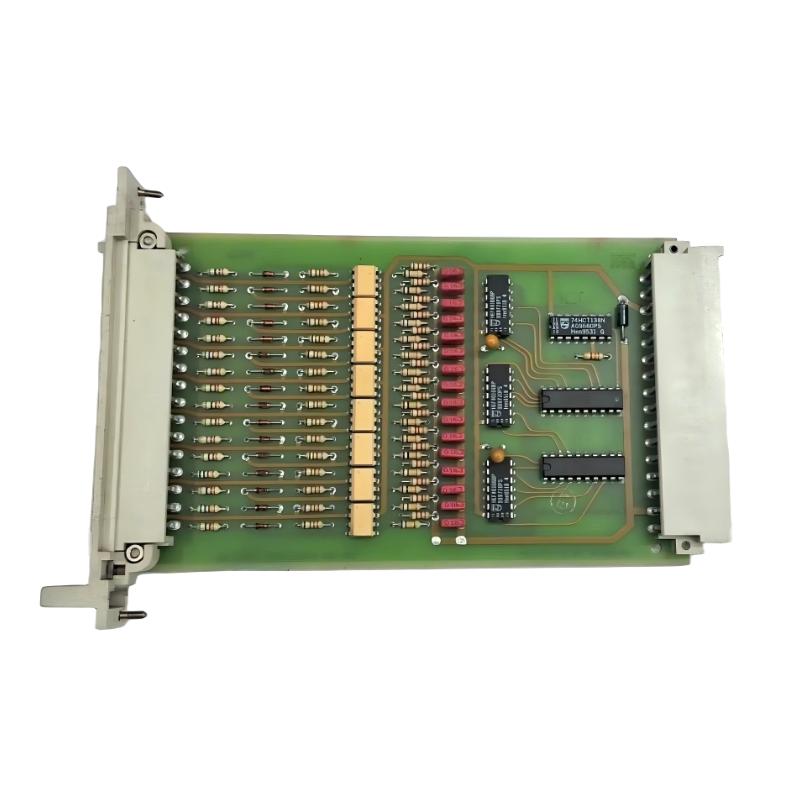
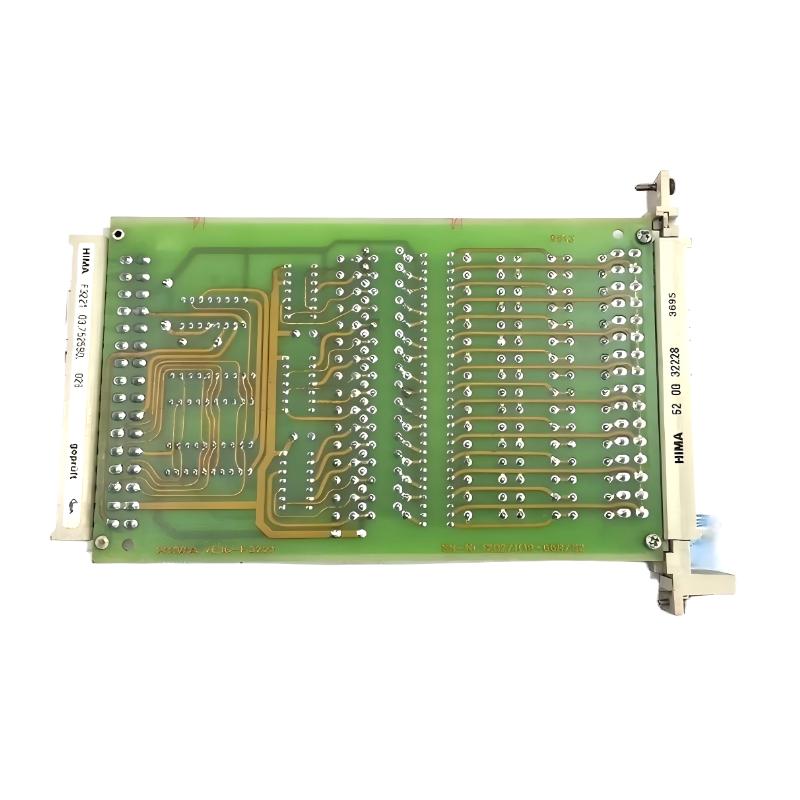
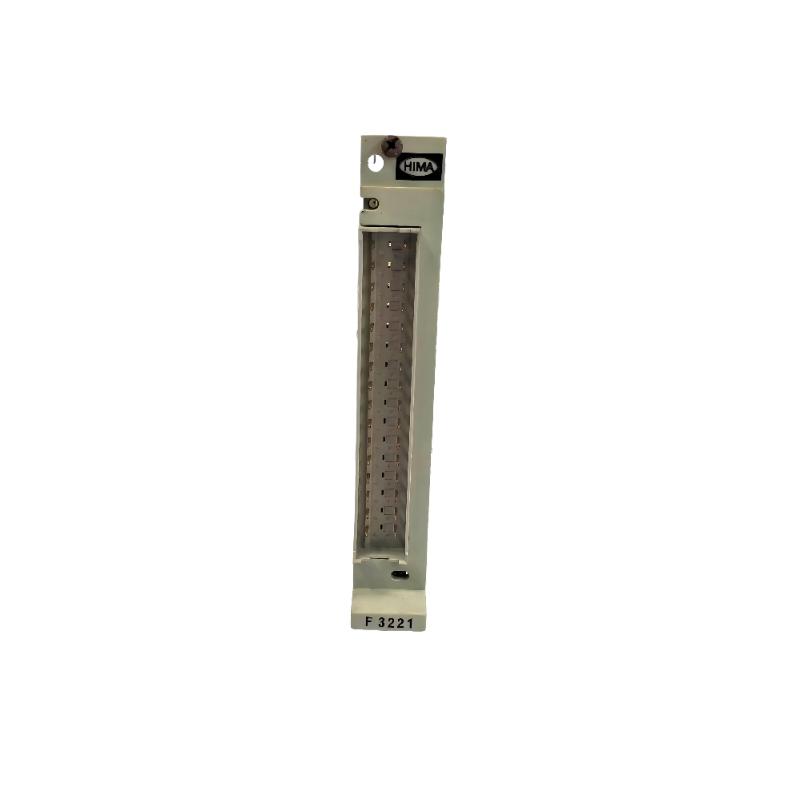
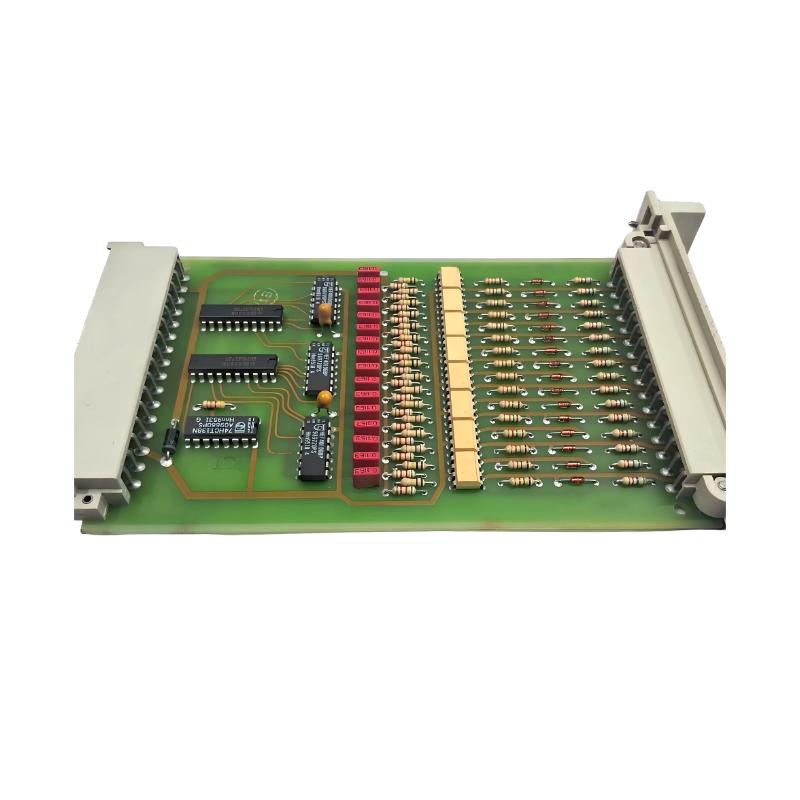
The HIMA F 3221 Numeric Input Module functions as an essential interface between field measurement instruments and industrial control systems. In modern automation architectures, controllers rely on accurate numerical data from sensors to maintain safe and efficient process operation.
The module collects signals from measurement devices and converts them into usable data for the automation controller. This process ensures that control algorithms and safety logic receive accurate information about process conditions.
By integrating numeric input modules into safety and monitoring frameworks, engineers can build comprehensive systems that continuously evaluate process parameters and respond to abnormal conditions when necessary.
The F 3221 module supports this architecture through stable signal acquisition, industrial-grade reliability, and compact integration within automation control cabinets.
Technical Specifications
| Parameter | Specification |
|---|
| Manufacturer | HIMA |
| Model | F 3221 |
| Module Type | Numeric Input Module |
| Signal Type | Numeric / analog input signals |
| System Compatibility | HIMA Safety and Control Systems |
| Installation | Rack-mounted module |
| Application | Industrial process monitoring |
| Operating Environment | Industrial automation cabinets |
| Dimensions | 130 mm × 30 mm × 100 mm |
| Weight | 0.2 kg (0.44092 lb) |
Practical Industrial Applications
The HIMA F 3221 Numeric Input Module is designed for industrial control and safety systems that require precise acquisition of numerical signals from field instruments. Within automation architectures, the module plays a key role in capturing analog or numerical process values and transmitting them to the central control system for analysis and control decision-making.
In oil and gas facilities, the module is frequently integrated into process monitoring systems that supervise variables such as pressure levels, flow rates, or temperature values. Accurate numeric input acquisition ensures that the control system maintains safe and stable operating conditions.
Chemical manufacturing plants also utilize the F 3221 module within distributed safety and monitoring systems. Sensors installed across reactors, pipelines, and storage systems generate numerical process data that must be reliably captured and interpreted by the automation controller.
Power generation environments benefit from numeric input modules when monitoring turbine parameters, boiler performance indicators, and auxiliary system measurements. By collecting reliable process data, the module supports predictive maintenance strategies and operational safety.
Engineering Advantages
Accurate Process Data Acquisition
The module captures numerical input signals from field sensors, ensuring precise data transmission to the control system.
Stable Signal Processing
Designed for industrial environments, the module maintains reliable signal integrity during continuous operation.
Integration with Safety Automation Platforms
The F 3221 is compatible with HIMA safety and control systems, allowing seamless system integration.
Efficient Panel Installation
Its compact structure supports installation within industrial control cabinets where multiple modules are arranged together.
Support for Critical Process Monitoring
The module assists in monitoring key process variables that influence system safety and operational efficiency.
Technical FAQs
1. What type of signals does the F 3221 module receive?
The module is designed to receive numerical or analog input signals from industrial field sensors.
2. What types of devices typically connect to this module?
Common devices include pressure transmitters, temperature sensors, flow meters, and other analog measurement instruments.
3. How does the module communicate with the control system?
Captured numeric signals are transmitted to the safety or process controller for processing and control logic evaluation.
4. Can the module operate in safety-critical systems?
Yes, it can be integrated within industrial automation platforms that support safety monitoring and control.
5. Does the module support continuous industrial operation?
Yes, it is built to operate continuously within industrial automation cabinets.
6. How does the module help maintain process stability?
By providing accurate measurement data to the control system, enabling precise process adjustments.
7. Is the module suitable for complex industrial monitoring systems?
Yes, it can be used in large-scale systems where multiple measurement signals must be monitored simultaneously.
8. What industries typically use numeric input modules?
Industries such as energy production, oil and gas processing, and chemical manufacturing frequently use them.
9. Can the module be installed in standard control racks?
Yes, it is designed for rack or cabinet installation within industrial automation systems.
10. What maintenance practices are recommended for this module?
Periodic system diagnostics and verification of connected sensor signals are typically recommended.
 A DCS Q Co., Ltd. - PLC and DCS Industrial Control Equipment Wholesale