Introduction
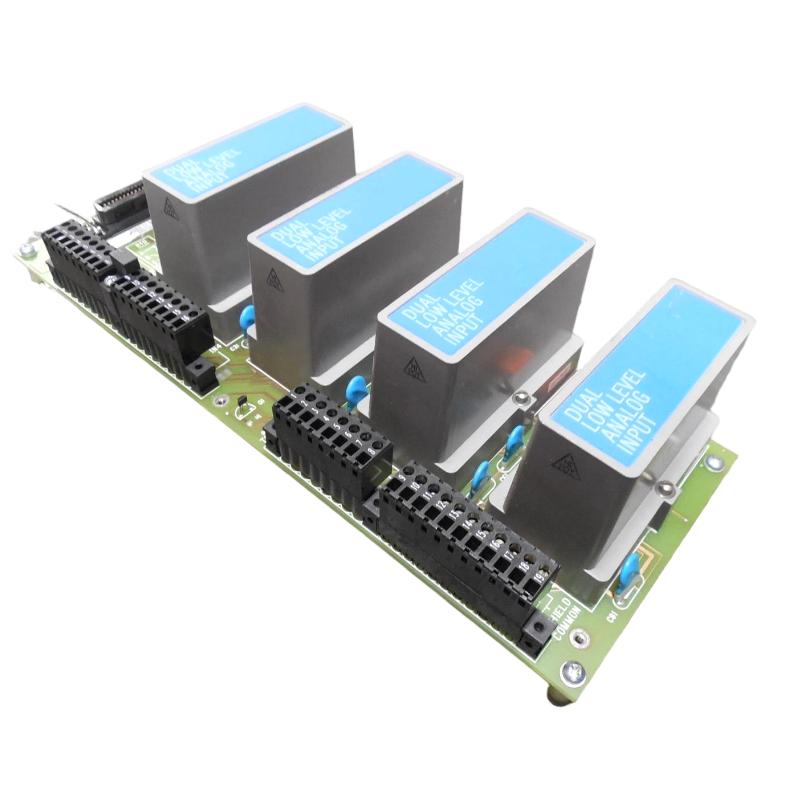
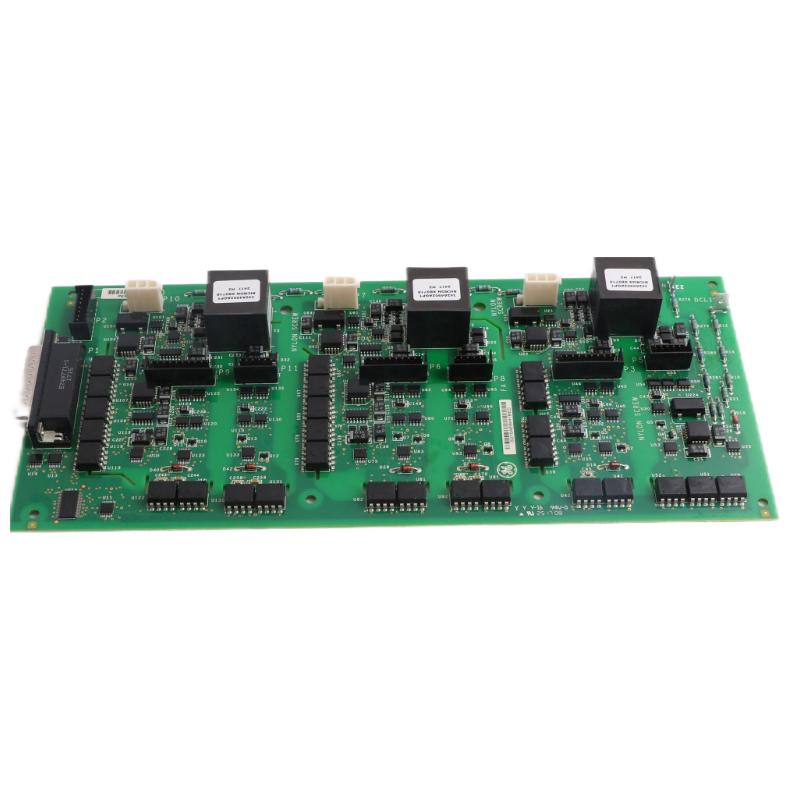
The GE IS210AEBIH1BED Analog Input Expansion Module is a rugged, industrial‑grade signal interface board engineered for use in GE Mark VI and Mark VIe control systems. Designed to broaden analog input capacity, this expansion module enables turbine control systems and automation platforms to capture additional real‑world data from sensors and field instruments. Its advanced signal conditioning and stable performance ensure accurate acquisition of voltage, current, and other analog signals even in challenging industrial environments.
Combining precision engineering with a form factor optimized for control racks and cabinets, the IS210AEBIH1BED supports both new installations and system upgrades where expanded analog capability is required. It offers control engineers a durable solution to grow signal capacity without redesigning the core control architecture.
Technical Specifications
| Specification | Detail |
|---|
| Brand | GE (General Electric) |
| Model | IS210AEBIH1BED |
| Module Type | Analog Input Expansion Module |
| Series | Mark VI / Mark VIe Control Systems |
| Board Category | Industrial Analog I/O PCB |
| Function | Expand Analog Input Channels |
| Analog Input Types | Voltage, Current, Sensor Signals |
| Communication Interface | Control Backplane / System Bus |
| Mounting | Control Rack / Cabinet |
| Operating Temperature | 0°C to 60°C |
| Storage Temperature | –40°C to 85°C |
| Relative Humidity | 5% – 95% Non‑condensing |
| Protective Coating | Conformal PCB Protection |
| Cooling | Passive Airflow |
Applications
The IS210AEBIH1BED is designed for industrial control systems that require extended analog signal coverage. Typical application environments include:
-
Turbine control cabinets in power generation plants (gas, steam, wind)
-
Wind turbine monitoring and automation systems
-
Process control and instrumentation panels
-
Generator protection and analog sensor networks
-
Distributed control systems (DCS) requiring expanded analog I/O
-
Retrofit upgrades where additional analog channels are needed
This module enhances data acquisition capability, allowing systems to support more sensors without major architectural changes.
Advantages
Expanded Analog Capacity
Provides additional analog input channels to support more sensors or measurement points.
High‑Quality Signal Conditioning
Ensures accurate analog signal capture, reducing noise and improving measurement fidelity.
Industrial‑Grade Construction
Built with rugged components and conformal coating for reliable long‑term operation in harsh environments.
Seamless Integration
Designed to integrate smoothly with GE Mark VI and Mark VIe control platforms, minimizing configuration complexity.
Maintenance‑Friendly Form Factor
Modular design simplifies installation, inspection, and replacement during service.
Technical FAQs
1. What is the purpose of the IS210AEBIH1BED module?
It expands the number of available analog input channels in GE control systems, allowing additional sensors to be connected.
2. Which control platforms is this module compatible with?
This module is designed for GE Mark VI and Mark VIe turbine and automation control systems.
3. Where is the module installed?
It is installed in control racks or cabinets alongside other automation and I/O modules.
4. What types of analog signals can it handle?
It supports a range of analog inputs such as voltage and current signals from field instruments.
5. Does it require active cooling?
No, it uses passive airflow within the control enclosure for cooling.
6. Can it operate in industrial environments?
Yes, it is engineered for industrial conditions with a wide temperature and humidity tolerance.
7. Is this module suitable for retrofit upgrades?
Yes, it supports both retrofit upgrades and new system expansions where more analog inputs are needed.
8. How does it improve system performance?
By expanding analog input capacity, it allows more field data to be captured and processed, improving monitoring and control precision.
9. Is special software required for configuration?
Configuration is typically done through the control system’s standard configuration tools used for Mark VI/Mark VIe platforms.
10. Why is analog input expansion important?
It enables systems to support a greater number of sensors and measurement points without redesigning the core control hardware.
 A DCS Q Co., Ltd. - PLC and DCS Industrial Control Equipment Wholesale