Product Introduction
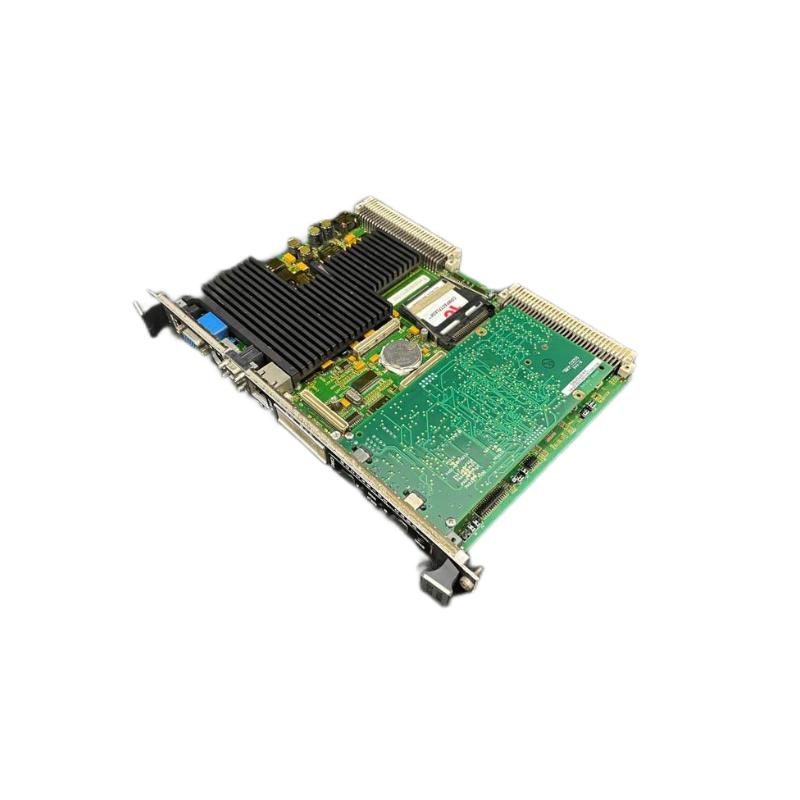
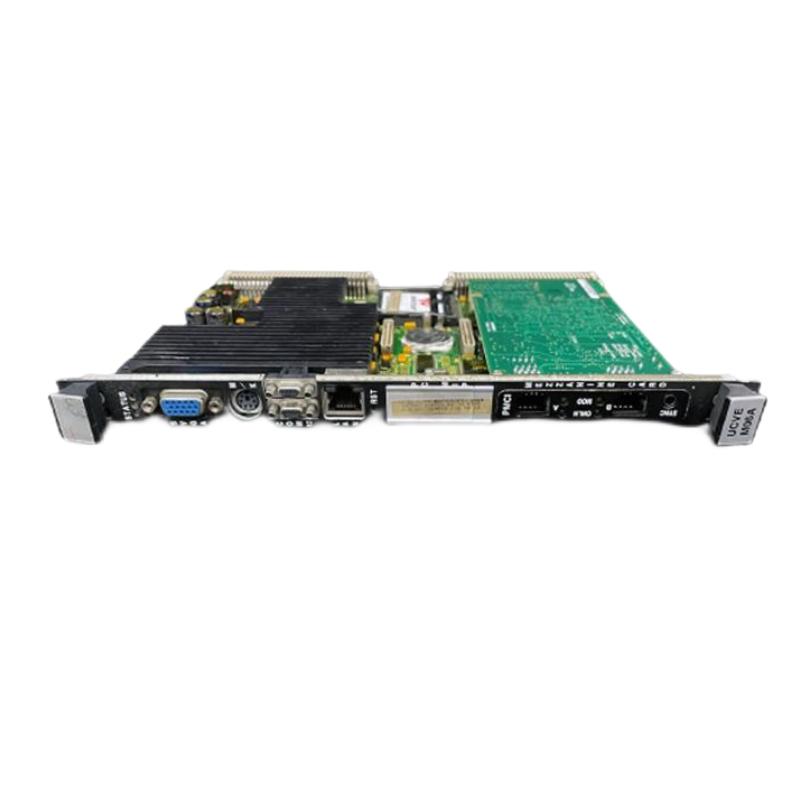
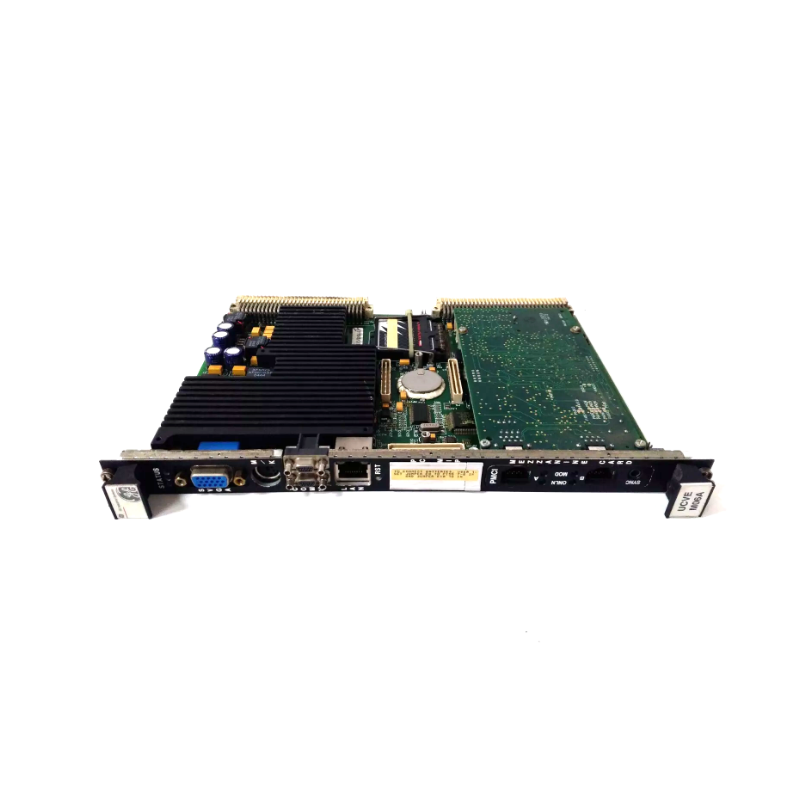
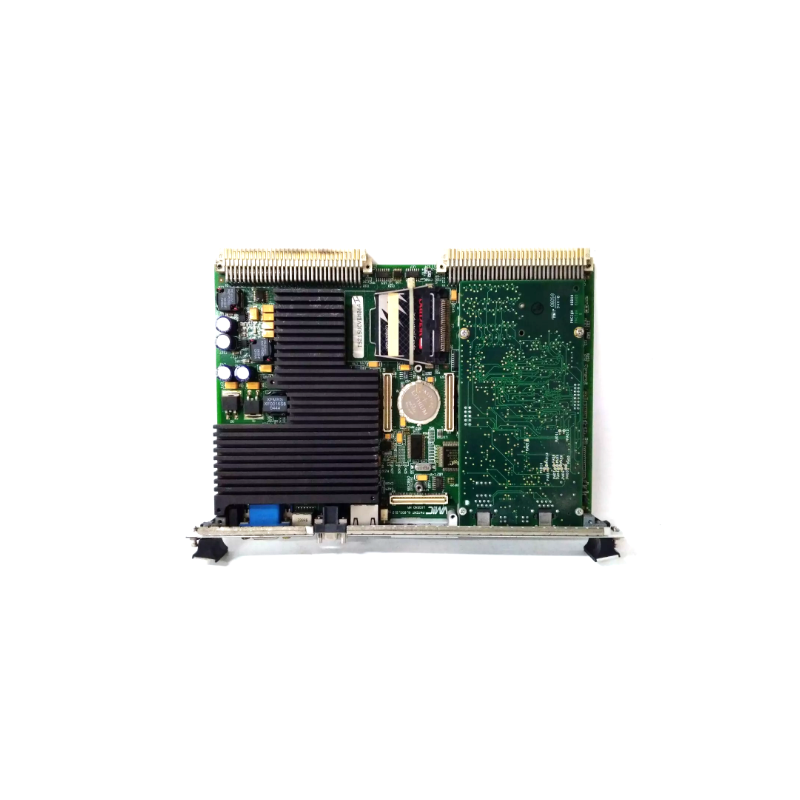
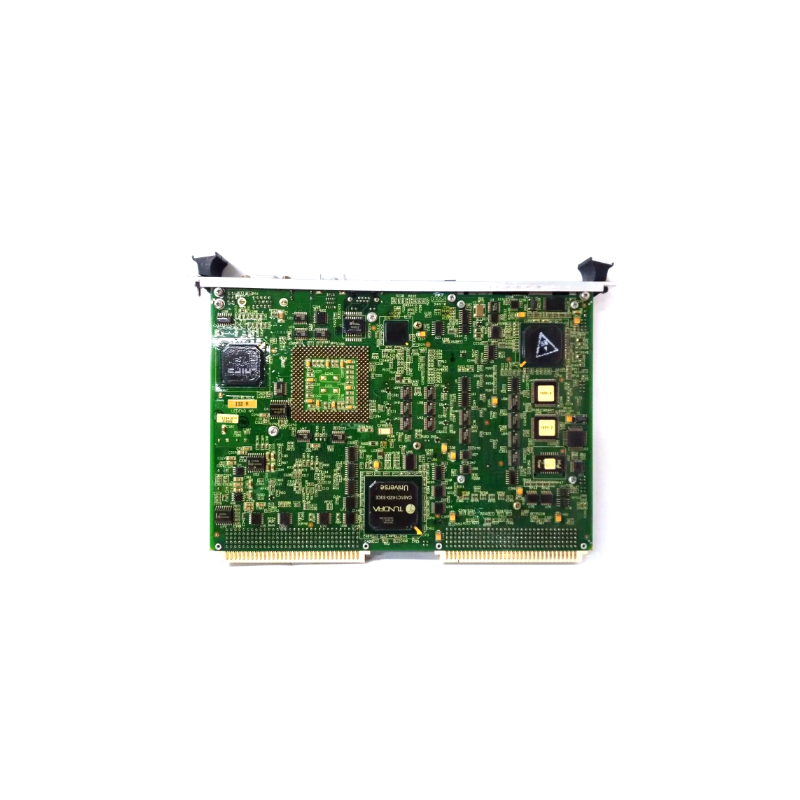
The GE IS215UCVEM06A UCV Controller Board is a high‑reliability industrial controller designed for GE Fanuc / General Electric Mark VI automation platforms. As an Ethernet‑enabled UCV controller board, it provides robust communication, fast data transfer, and dependable control logic execution across turbine and process automation systems.
Engineered for environments where uptime, accurate communication, and deterministic control matter most, this controller board facilitates seamless integration between field devices, network interfaces, and the central processing architecture. Its advanced Ethernet connectivity supports high‑speed communication and simplifies integration with distributed control networks, making it well‑suited for modern industrial systems including turbine controls, distributed automation, and remote monitoring applications.
With industrial‑grade components and conformal protection, the IS215UCVEM06A delivers long‑term performance and stability in demanding operational environments. It offers control engineers a durable and efficient solution for mission‑critical applications where communication and control precision are essential.
Technical Specifications
| Parameter | Specification |
|---|
| Brand | GE (General Electric) |
| Model | IS215UCVEM06A |
| Module Type | UCV Controller Board |
| Series | Mark VI Control System |
| Communication | Ethernet (UCV) |
| Board Category | Industrial Controller PCB |
| Function | Control Logic & Network Communication |
| Supported Networks | Ethernet / Industrial LAN |
| Operating Temperature | 0°C to 60°C |
| Storage Temperature | –40°C to 85°C |
| Relative Humidity | 5% – 95% Non‑condensing |
| Protective Coating | Conformal Coating |
| Cooling Method | Passive Airflow |
| Mounting | Control Rack / Cabinet |
Application Scenarios
The IS215UCVEM06A controller board is designed for use in industrial control systems that require high‑speed communication and precise control logic execution.
Typical application environments include:
-
Turbine control cabinets in power generation systems
-
Distributed control systems (DCS) with Ethernet connectivity
-
Industrial automation with remote I/O and network devices
-
Wind turbine control systems requiring Ethernet fault tolerance
-
Process control and instrumentation systems
-
Retrofit projects for legacy Mark VI installations
This controller board helps bridge the gap between high‑speed communication networks and dependable control execution across complex automation systems.
Core Advantages
Ethernet‑Enabled Connectivity
Supports high‑speed Ethernet communication, enabling efficient data exchange between controllers, network devices, and remote I/O.
Industrial‑Grade Control Performance
Built for deterministic logic execution and reliable operation in mission‑critical environments.
Seamless System Integration
Integrates smoothly with GE Mark VI control architectures and peripheral modules.
High Reliability & Durability
Manufactured using rugged components with conformal coating for protection against environmental stress.
Supports Distributed Control
Facilitates communication in distributed control networks, improving scalability and system reach.
Technical FAQs
1. What is the main function of the IS215UCVEM06A board?
It provides control logic execution and Ethernet‑based communication for industrial automation systems.
2. Which control platform is this board designed for?
It is designed for the GE Mark VI control system.
3. What type of network does the module support?
Ethernet (UCV) communication for high‑speed data exchange.
4. Where is this module installed?
Typically mounted in control racks or turbine control cabinets.
5. Can it operate in harsh industrial environments?
Yes, with conformal coating and rugged components, it is built for industrial conditions.
6. Does this board require active cooling?
No, it is cooled via passive airflow within the control enclosure.
7. Can it be used in retrofit projects?
Yes, it supports use in both new installations and upgrades to legacy systems.
8. How does Ethernet connectivity benefit turbine control?
It enables faster and more flexible communication with networked devices and remote sensors.
9. Is this module compatible with distributed I/O systems?
Yes, its Ethernet connectivity supports integration with distributed I/O and network peripherals.
10. Why is an Ethernet‑enabled controller important for automation?
It enhances communication performance, system scalability, and network integration across complex control environments.
 A DCS Q Co., Ltd. - PLC and DCS Industrial Control Equipment Wholesale