Product Introduction
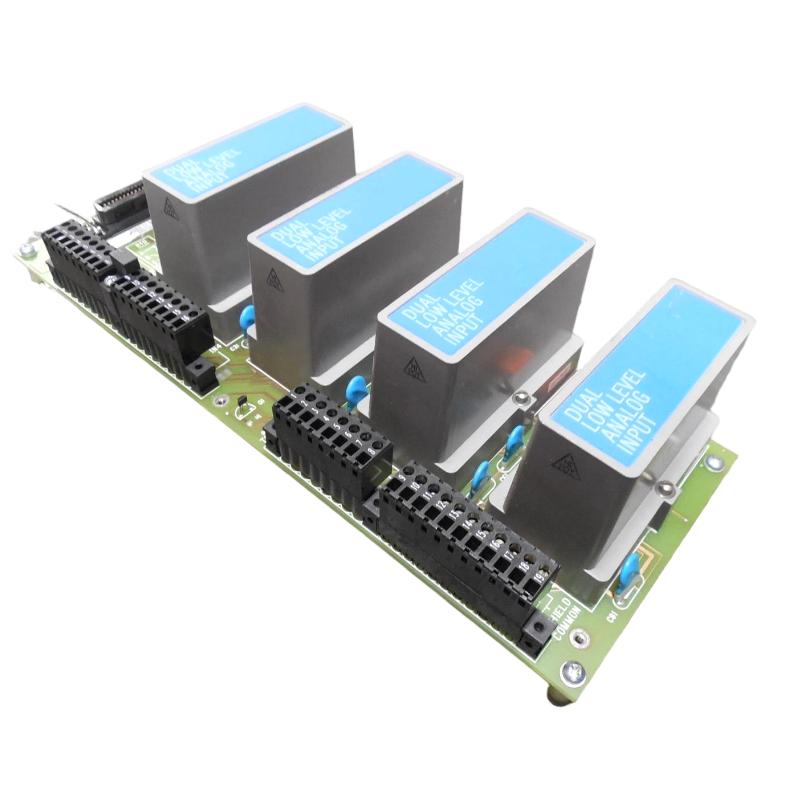
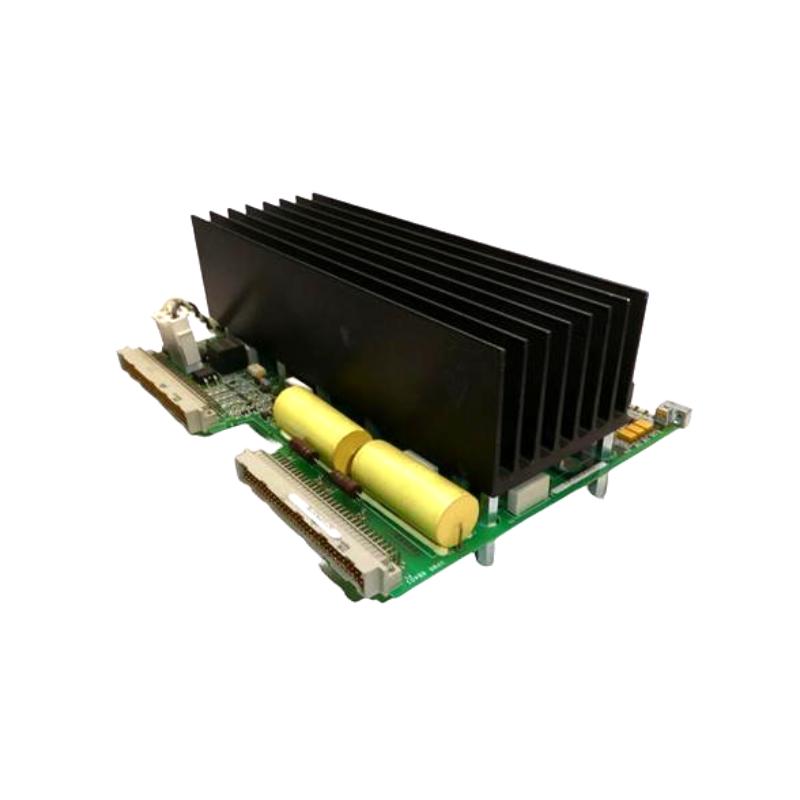
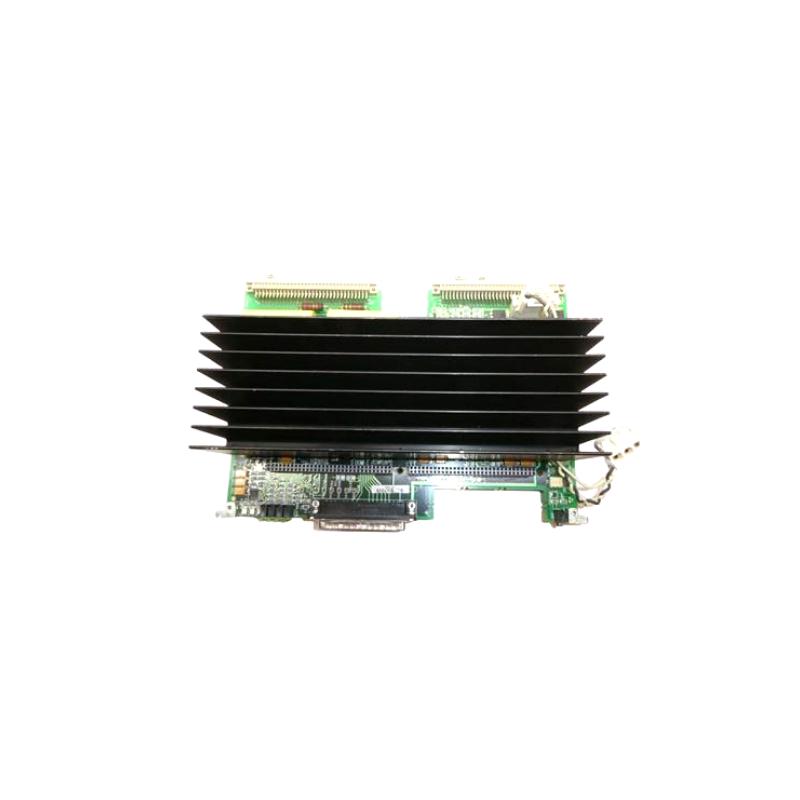
The GE IS215REBFH1B I/O Expansion Board is a robust industrial interface module engineered for use in GE Mark V and Mark VIe control system architectures. This expansion board is designed to extend input/output capacity, allowing turbines and automation systems to scale signal handling without sacrificing performance or reliability. It provides a dependable platform for integrating additional field devices into complex control networks, ensuring consistent communication between sensors, actuators, and the main controller.
Built with industrial‑grade components and optimized circuitry, the IS215REBFH1B is ideal for power generation environments such as wind farms, gas and steam turbine installations, and large‑scale industrial process control systems. Its precision‑focused design supports accurate signal transmission and expands system connectivity while maintaining strict operational stability under demanding conditions.
Technical Specifications
| Parameter | Specification |
|---|
| Brand | GE (General Electric) |
| Model | IS215REBFH1B |
| Module Type | I/O Expansion Board |
| Series | Mark V / Mark VIe Control Systems |
| Board Category | Industrial Signal Expansion PCB |
| Function | Expand I/O Connectivity |
| Compatible Systems | GE Turbine and Automation Control Platforms |
| Operating Temperature | 0°C to 60°C |
| Storage Temperature | –40°C to 85°C |
| Relative Humidity | 5% – 95% Non‑condensing |
| Protective Coating | Conformal Airborne Protection |
| Cooling Method | Passive Airflow |
| Mounting | Control Rack / Cabinet Installation |
| Digital I/O Support | Extended Digital Inputs/Outputs |
| Analog I/O Support | Optional Analog Channel Expansion |
Application Scenarios
The IS215REBFH1B I/O Expansion Board is designed to support automation and control systems that require increased field connectivity and expanded signal capacity.
Key application areas include:
-
Turbine control cabinets in power generation plants
-
Wind turbine automation systems
-
Gas and steam turbine control infrastructure
-
Distributed control systems requiring expanded signal access
-
Industrial instrumentation and monitoring panels
-
Generator control and protection systems
By expanding I/O capacity, this board enables systems to support more sensors, actuators, and field devices without redesigning the core control architecture.
Core Advantages
Scalable I/O Expansion
Provides extended input/output capacity to meet growing signal requirements in large or evolving systems.
Industrial‑Grade Reliability
Built with high‑quality components and protective coatings to ensure stable performance in power generation environments.
Seamless Control System Integration
Designed to integrate smoothly with GE Mark V and Mark VIe turbine control architectures.
Improved Signal Management
Accurate routing of additional digital and analog channels enhances overall system responsiveness.
Maintenance‑Friendly Design
Modular configuration simplifies installation and replacement during maintenance cycles.
Technical FAQs
1. What is the main purpose of the IS215REBFH1B board?
It serves to expand the I/O capacity of GE turbine and automation control systems, allowing more field devices to connect.
2. Which platforms support this board?
The board is compatible with GE Mark V and Mark VIe control system architectures.
3. Where is it installed?
It is typically mounted inside control racks or turbine control cabinets.
4. What types of signals does it expand?
It supports expansion for digital inputs/outputs and optional analog channels.
5. Can this board handle harsh environments?
Yes, it is built to operate reliably in industrial settings with tolerance for humidity and temperature variations.
6. What temperature range does it support?
The board operates between 0°C and 60°C.
7. Does it require active cooling?
No, it uses passive airflow cooling within the control enclosure.
8. Is the board compatible with new systems and retrofits?
Yes, it supports both new control installations and retrofits in existing systems.
9. Can the I/O expansion be serviced easily?
Yes, modular design facilitates straightforward maintenance and replacement.
10. Why is I/O expansion important?
It enables additional field devices to connect without modifying the core control hardware, maintaining flexibility for future system growth.
 A DCS Q Co., Ltd. - PLC and DCS Industrial Control Equipment Wholesale