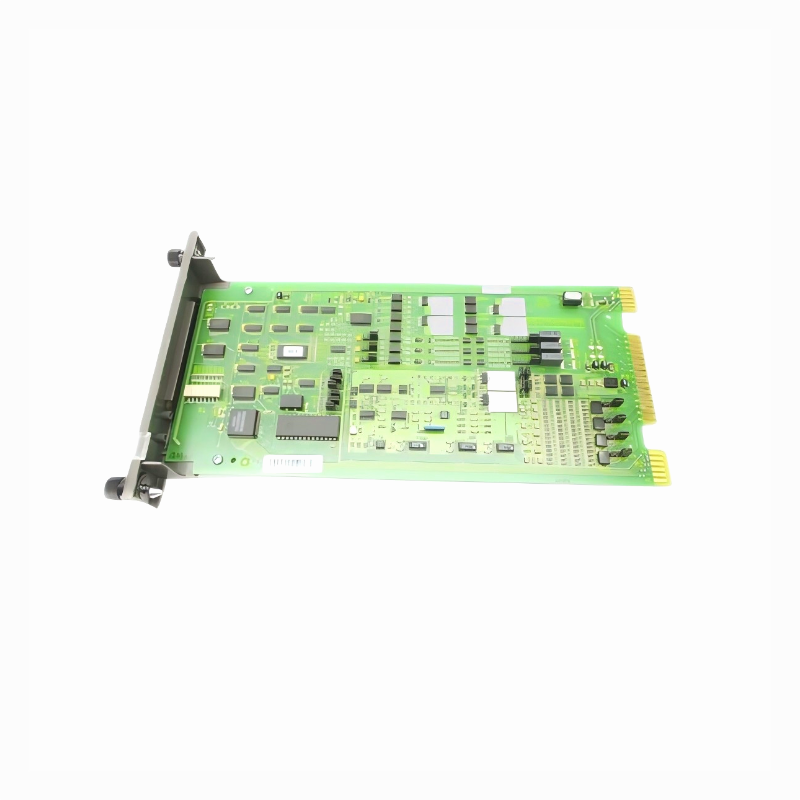
Technical Introduction
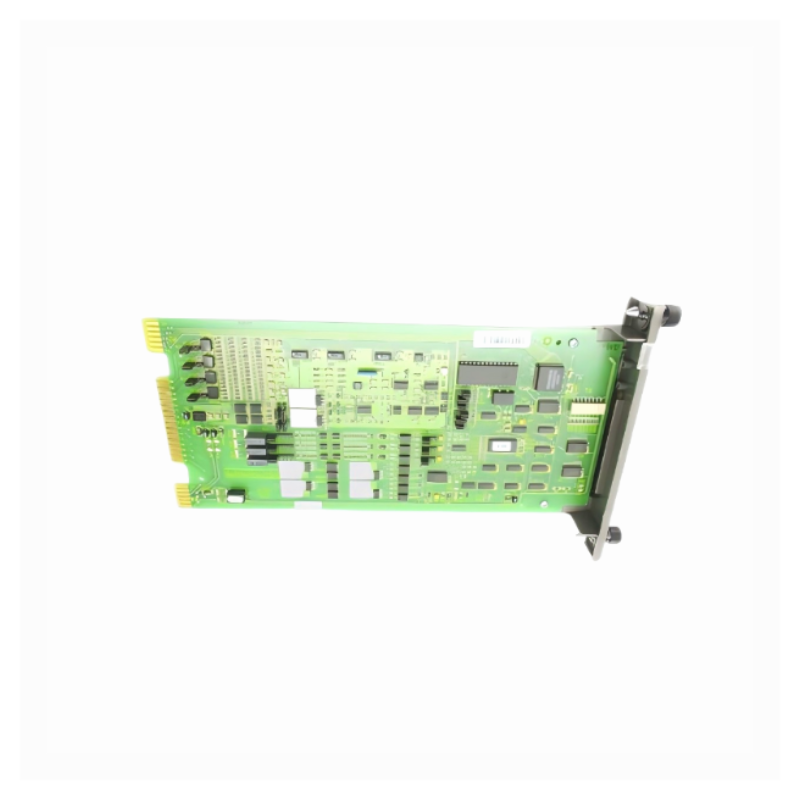
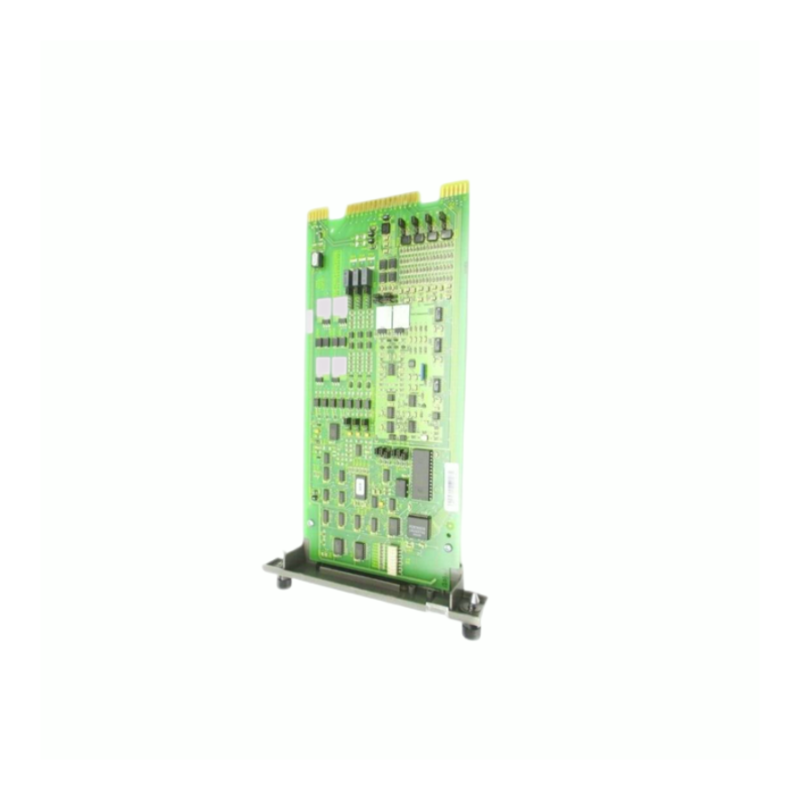
The IMCKN01 Clock Network Module functions as the timing authority within a Bailey distributed control system. In large automation networks where multiple processors, operator stations, and I/O racks operate simultaneously, even minor clock deviations can affect alarm sequencing and root-cause analysis.
By providing a stable and consistent time reference, the IMCKN01 supports coordinated control logic execution and precise event recording. Its robust hardware design ensures stable performance in industrial environments characterized by electrical noise and continuous operation demands.
Technical Specifications
| Parameter | Specification |
|---|
| Manufacturer | ABB Bailey |
| Model | IMCKN01 |
| Module Type | Clock Network Module |
| Primary Function | System-wide time synchronization |
| Integration Method | Bailey DCS backplane |
| Application | Distributed control timing management |
| Installation | Standard DCS rack |
| Dimensions (H × W × D) | 250 × 120 × 35 mm |
| Weight | 0.5 kg (≈ 1.10 lb) |
System Timing Architecture & Deployment Context
In distributed control environments, accurate time alignment is fundamental to operational transparency and event traceability. The ABB Bailey IMCKN01 Clock Network Module serves as the centralized timing reference within Bailey control architectures, ensuring that controllers, I/O subsystems, and operator interfaces operate on a unified time base.
It is typically implemented in:
-
Large-scale thermal and hydro power plants
-
Oil & gas processing complexes
-
Continuous chemical production facilities
-
Multi-controller DCS networks
-
High-availability process automation systems
Where sequence-of-events resolution and alarm timestamp integrity are critical, this module provides the synchronization backbone.
Functional Advantages & Engineering Value
Deterministic Time Distribution
Maintains consistent clock signals across distributed nodes to prevent timestamp drift.
Enhanced Sequence-of-Events (SOE) Accuracy
Improves post-event diagnostics and compliance reporting through synchronized logging.
Seamless Backplane Integration
Interfaces directly with Bailey rack architecture for stable internal communication.
Operational Continuity
Engineered for uninterrupted 24/7 operation in mission-critical control rooms.
Support for Redundant Designs
Compatible with high-availability system architectures requiring continuous synchronization.
Technical FAQs
1. What is the core purpose of the IMCKN01 module?
It distributes a synchronized clock reference throughout the Bailey DCS system.
2. Why is synchronized time critical in industrial control systems?
It ensures accurate alarm timestamps, event logging, and coordinated controller actions.
3. How does the module communicate timing information?
Timing signals are distributed through the system backplane.
4. Does it affect data historian accuracy?
Yes, precise time synchronization improves historical trend reliability and event correlation.
5. Can it function in redundant system configurations?
Yes, it can be integrated into redundant system architectures depending on overall design.
6. What happens if time drift occurs in a DCS?
Inconsistent timestamps can complicate diagnostics and regulatory reporting.
7. Is configuration required during installation?
Yes, time parameters are configured via system engineering tools.
8. Does the module require periodic calibration?
Routine maintenance depends on system policies; the module is designed for long-term stability.
9. Can it interface with external time references?
External synchronization capability depends on system-level integration design.
10. Is it essential for compliance-focused industries?
Yes, industries requiring traceable event logging rely heavily on synchronized system timing.
 A DCS Q Co., Ltd. - PLC and DCS Industrial Control Equipment Wholesale