Applications
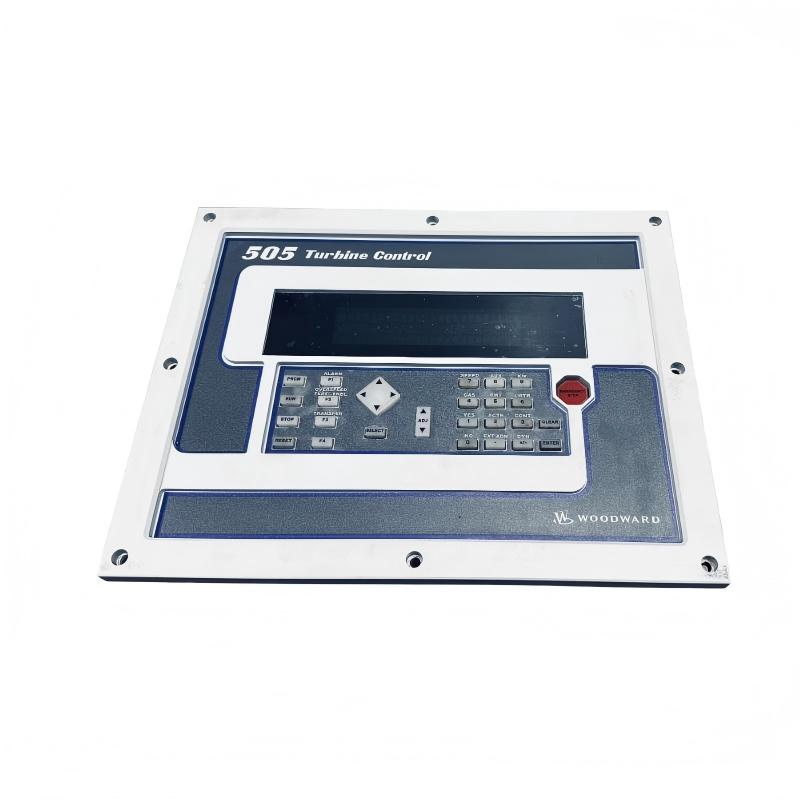
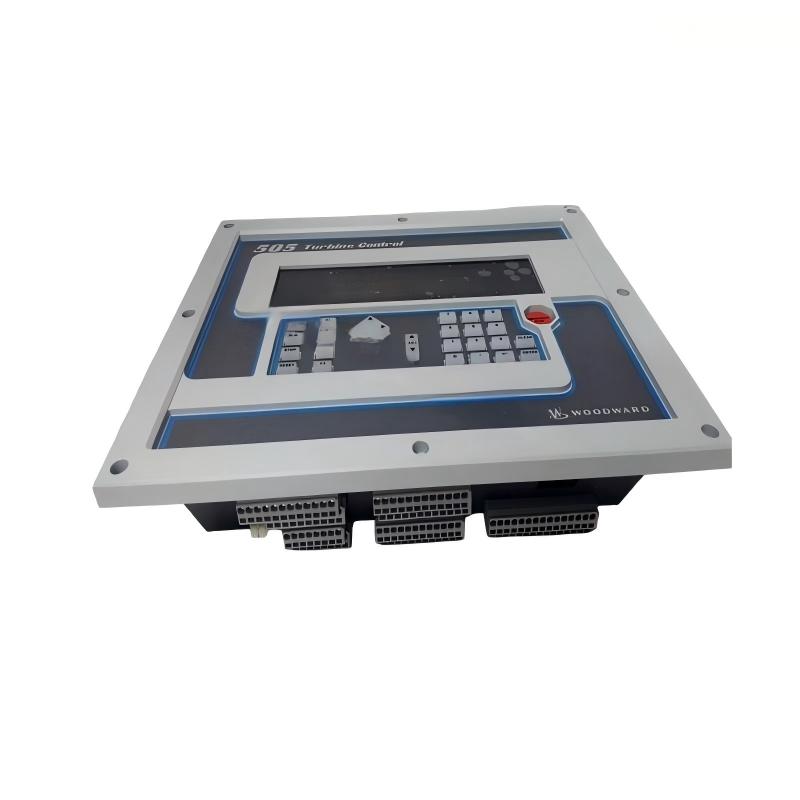
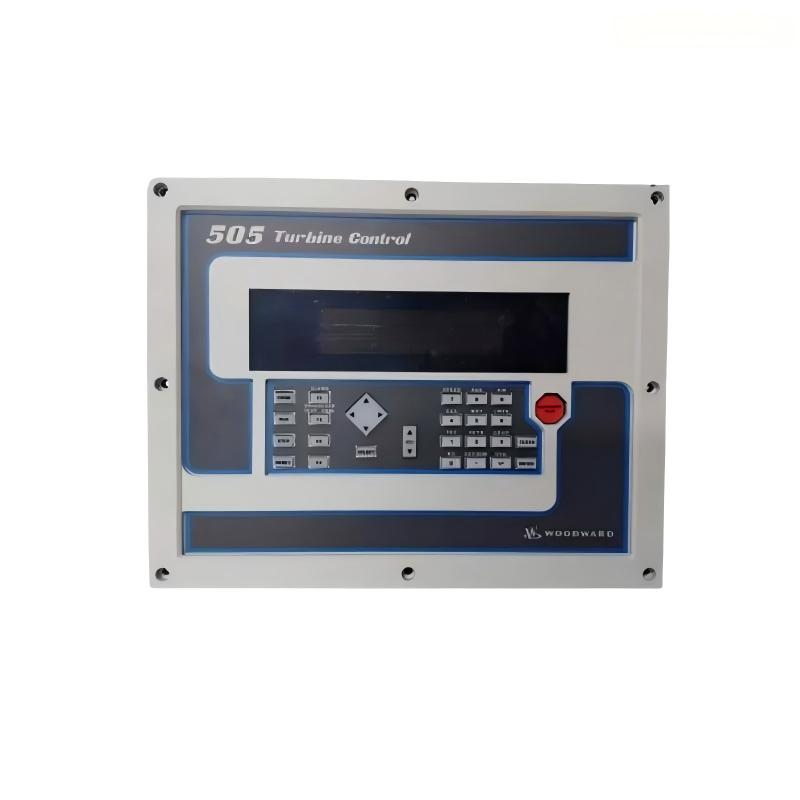
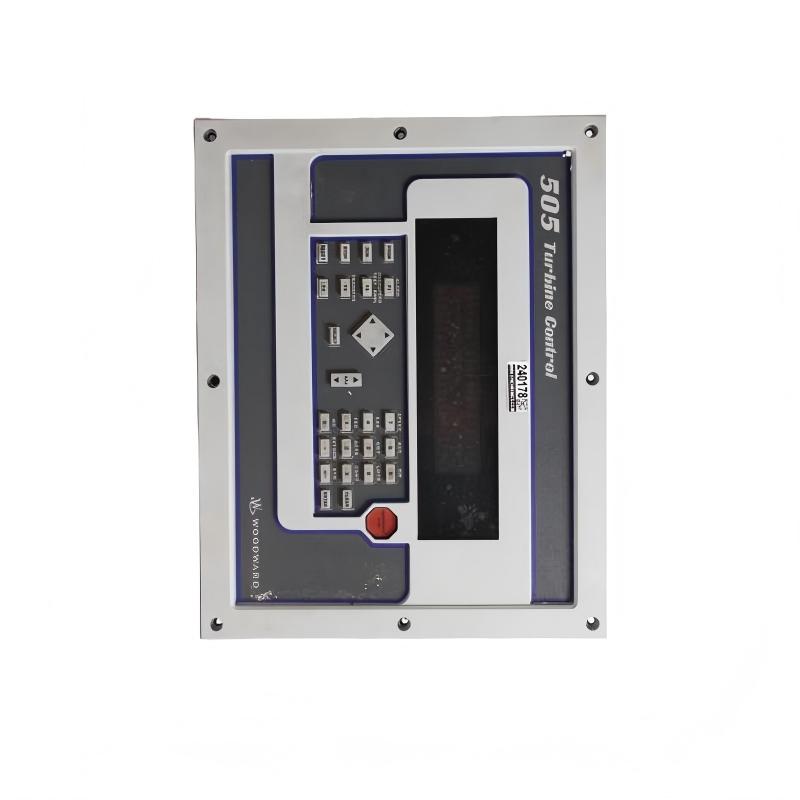
The 9907‑827 505 Speed Regulator is designed for systems that require tight and dependable speed control:
-
Diesel and gas engine governor systems
-
Generator set speed stabilization under variable loads
-
Marine auxiliary and propulsion engines
-
Industrial prime movers in manufacturing power plants
-
Distributed energy systems and microgrids
Its adaptable control logic enhances system responsiveness and reduces transient speed deviations, contributing to smoother operation.
Advantages
-
Precise speed regulation ensures minimal drift under dynamic load changes
-
Robust design built for industrial environments and continuous operation
-
Flexible input support for analog and digital systems
-
Optional communication modules enable remote monitoring and tuning
-
Consistent performance across varied operating conditions
-
Reduces engine wear and improves overall system stability
This speed regulator is engineered to sharpen performance, extend equipment life, and elevate control fidelity in demanding power applications.
Technical FAQs
-
What does the Woodward 9907‑827 505 Speed Regulator do?
It manages and stabilizes engine speed by processing sensor feedback and maintaining setpoints under changing load conditions.
-
Can this regulator integrate with PLCs?
Yes — with analog/digital I/O and optional communications, it can interface with PLC and automation systems.
-
What input signal range does it support?
The regulator accepts standard analog and digital control inputs, including speed sensor feedback.
-
Does it support remote monitoring?
Yes — optional network communications such as Modbus® enable remote supervision and control.
-
What supply voltage is required?
It typically operates from a wide range of 24 – 240 V AC/DC.
-
Is it suitable for marine applications?
Yes — provided appropriate environmental protection in the control cabinet.
-
How is this controller mounted?
Standard panel mounting makes installation in cabinets straightforward.
-
Does it improve fuel efficiency?
Precise speed regulation can reduce fuel oscillations and improve efficiency over time.
-
Can it handle rapid load changes?
Yes — its adaptive control logic responds effectively to dynamic load transitions.
-
Is it compatible with digital engine management?
Yes — flexible I/O and modular communication support make it suitable for hybrid digital/analog systems.
 A DCS Q Co., Ltd. - PLC and DCS Industrial Control Equipment Wholesale