Product Introduction
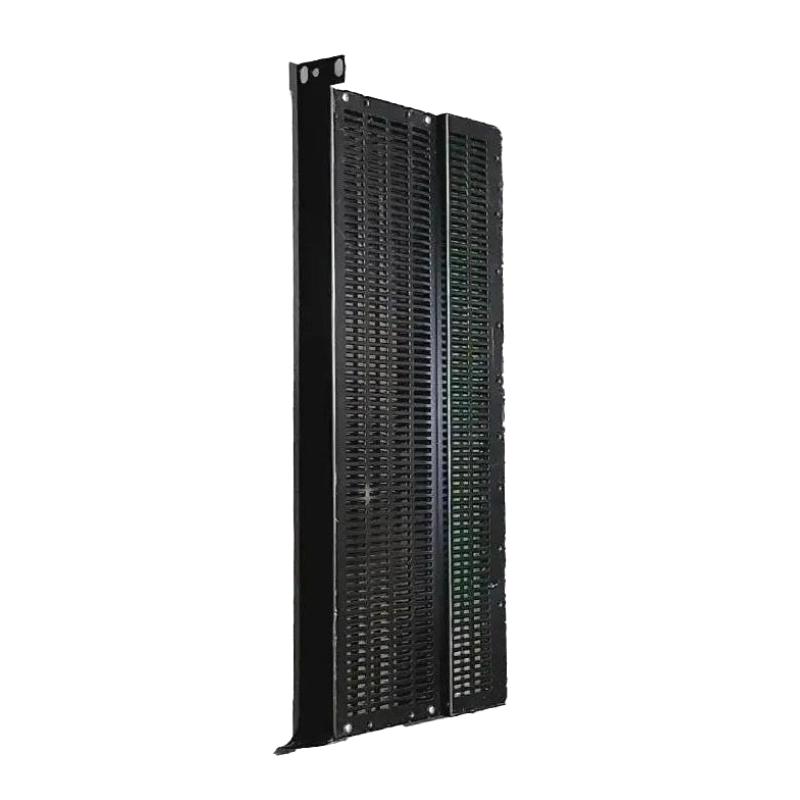
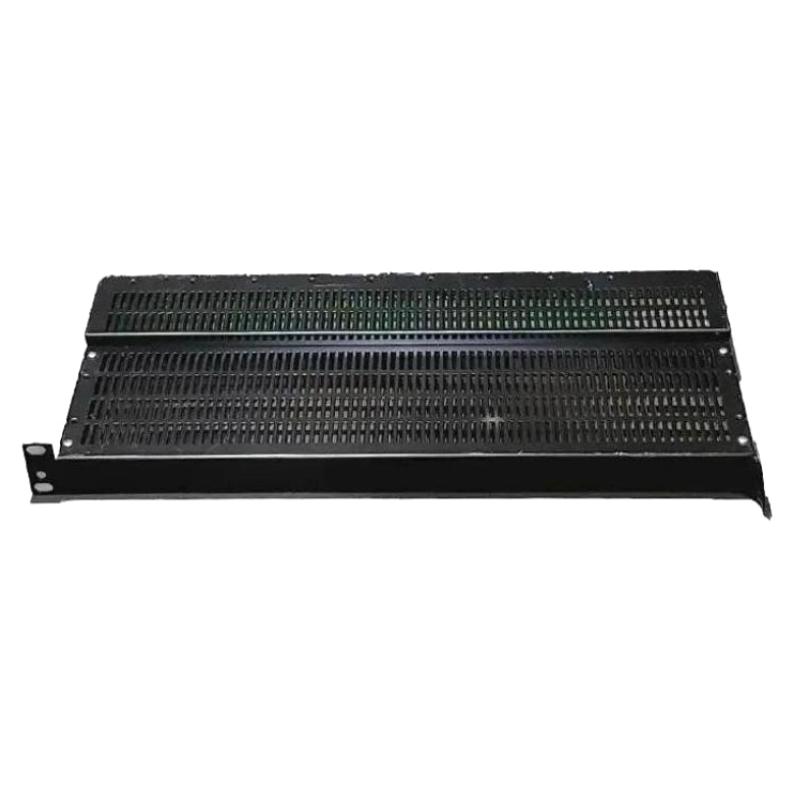
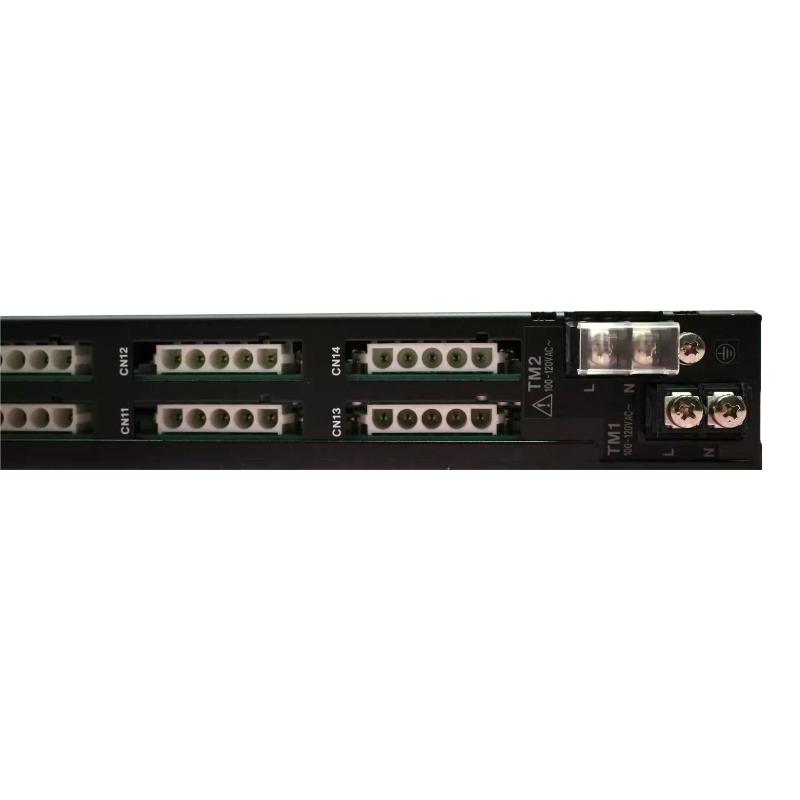
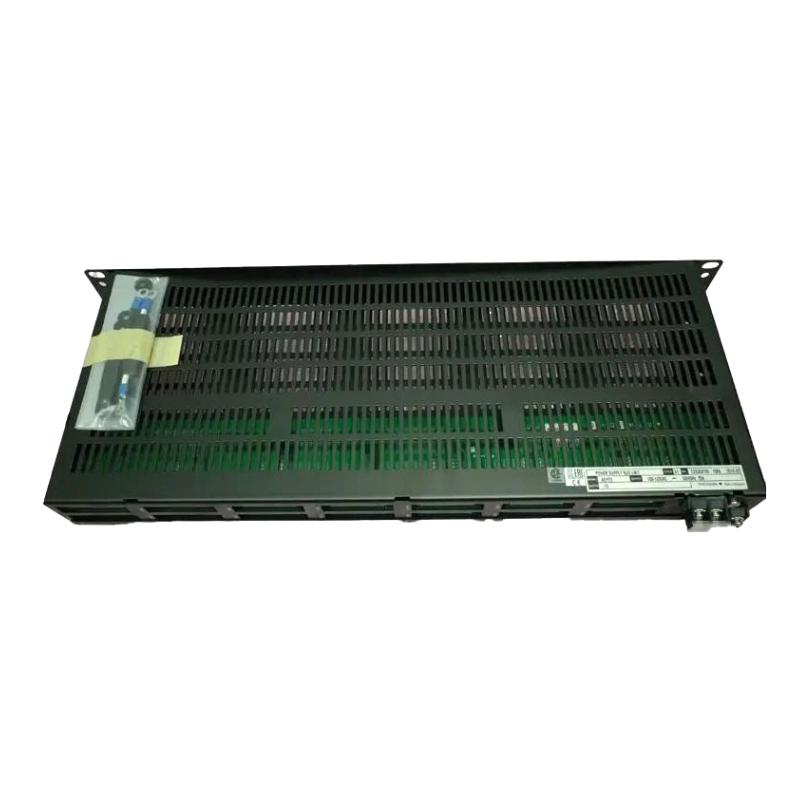
The Yokogawa AEP7D-21 Power Bus Unit is a foundational element in Yokogawa’s distributed control rack infrastructure. It serves as the electrical backbone that distributes regulated DC power to rack-mounted modules, enabling scalable and reliable system configurations for critical automation tasks.
Whether used in centralized or distributed panels, this power bus unit contributes to predictable system behavior, easier panel layout, and reduced wiring complexity. It is well suited for sectors where uptime, signal integrity, and modular serviceability are priorities.
Technical Specifications
| Parameter | Specification |
|---|
| Product Type | Power Bus Unit |
| Model | AEP7D-21 |
| Platform | Yokogawa DCS / Rack Systems |
| Primary Function | Regulated power distribution within rack |
| Installation | Control cabinet / rack mounting |
| Operating Environment | Industrial automation systems |
| Dimensions (H × W × D) | 482.6 × 43.6 × 187 mm |
Application in Distributed Control System Racks
The Yokogawa AEP7D-21 Power Bus Unit is a rack-level power distribution backbone used in Yokogawa’s distributed control system architectures (e.g., CENTUM VP, ProSafe-RS). It delivers regulated DC power to multiple I/O, communication, and system modules installed in a standardized rack or chassis. Reliable and consistent power distribution is essential for maintaining deterministic I/O performance and system uptime in process automation environments.
Typical usage scenarios include:
-
Main and remote control room racks
-
Distributed I/O cabinets in process industries
-
Power generation and utility control panels
-
Chemical, petrochemical, and refining automation systems
-
Water and wastewater plant automation
By centralizing power distribution within a rack, the AEP7D-21 simplifies cabinet wiring and enhances overall system stability.
Functional Benefits and Engineering Highlights
From an implementation perspective, this Power Bus Unit brings key advantages:
Regulated and Structured Power Distribution
Provides consistent DC supply rails to all connected modules, reducing voltage fluctuation risk.
High Reliability for Continuous Operation
Designed for industrial control environments that require long-term, uninterrupted performance.
Compatible with Yokogawa Modules
Works seamlessly with Yokogawa analog I/O, digital I/O, communication modules, and other backplane components.
Simplified Rack Integration
Reduces external cabling complexity by centralizing power routing within the rack backplane.
Ease of Maintenance
Modular system design supports field-replaceable units without major disruption to adjacent assemblies.
Technical FAQs
-
What is the primary purpose of the AEP7D-21 unit?
To distribute regulated DC power to modules within a Yokogawa rack or chassis system.
-
Does it perform logic or signal processing?
No. It is strictly a power distribution component; processing is handled by controllers and I/O modules.
-
Is it compatible with Yokogawa I/O modules?
Yes, it is designed to integrate with Yokogawa’s rack-mountable I/O and interface modules.
-
Can it support redundant power architectures?
Power redundancy depends on the broader system design; the unit itself is part of the distribution infrastructure.
-
Does it include overload protection?
Yes. Built-in distribution design includes safeguards against common electrical fault conditions.
-
How is it mounted?
It is installed within a standard Yokogawa rack or panel along the backplane, aligning with module slots.
-
Is it hot-swappable?
Hot-swap capability depends on the specific control system design and maintenance procedures.
-
How does it improve system stability?
By providing uniform power rails, it minimizes voltage variation that could affect module operation.
-
Is it suitable for harsh industrial environments?
Yes. It is engineered for industrial cabinet environments with typical electrical noise and temperature variation.
-
Does it support diagnostic feedback?
Power status monitoring is typically handled by system modules and host logic controllers, not by the power bus unit itself.
 A DCS Q Co., Ltd. - PLC and DCS Industrial Control Equipment Wholesale