Product Introduction
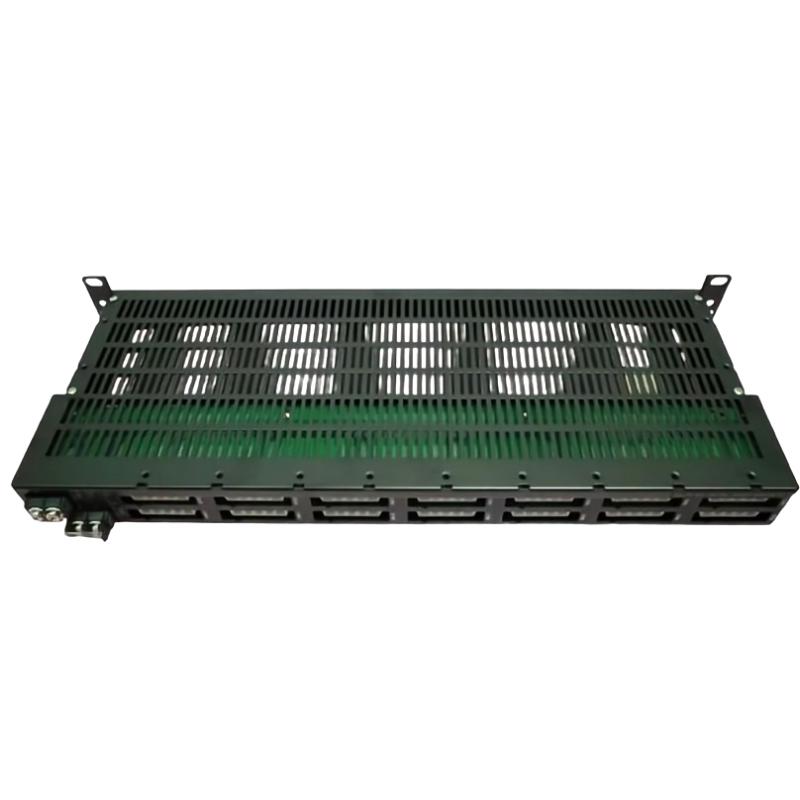
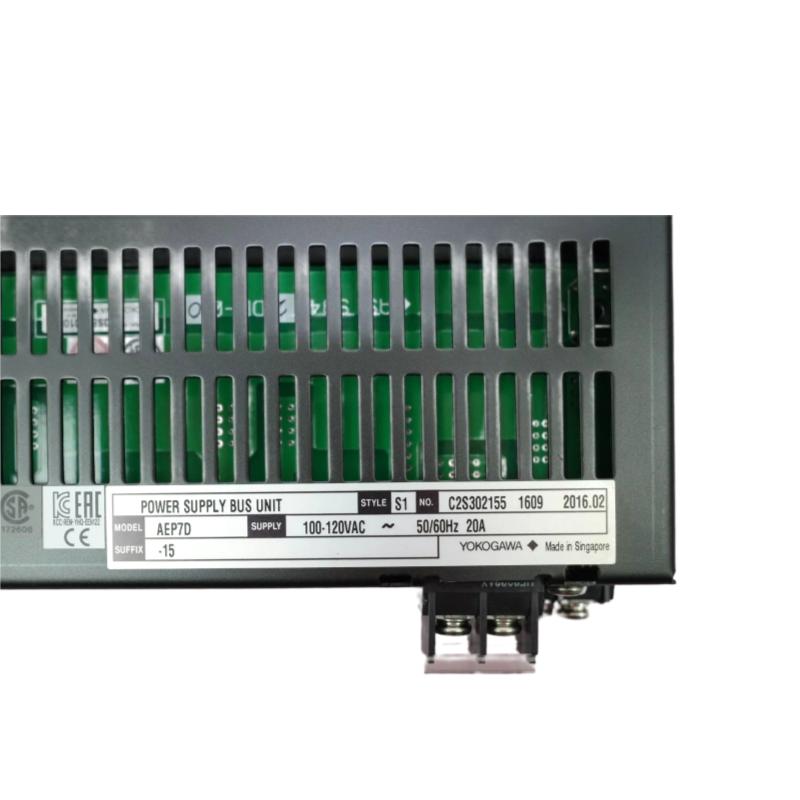
The Yokogawa AEP7D-15 Power Bus Unit is an essential infrastructure module for Yokogawa rack-based automation systems. It provides regulated power distribution across installed I/O and communication modules, forming the electrical backbone that enables reliable system operation. Its modular format and compatibility with Yokogawa automation hardware make it a key component in high-availability and mission-critical installations.
Whether used in process control, safety systems, or remote distributed panels, the AEP7D-15 ensures stable power delivery that supports consistent automation performance.
Technical Specifications
| Parameter | Specification |
|---|
| Product Type | Power Bus Unit |
| Model | AEP7D-15 |
| Platform | Yokogawa DCS / Rack Systems |
| Primary Function | Regulated power distribution to rack modules |
| Installation | Control cabinet / rack mounting |
| Application | Process and industrial automation systems |
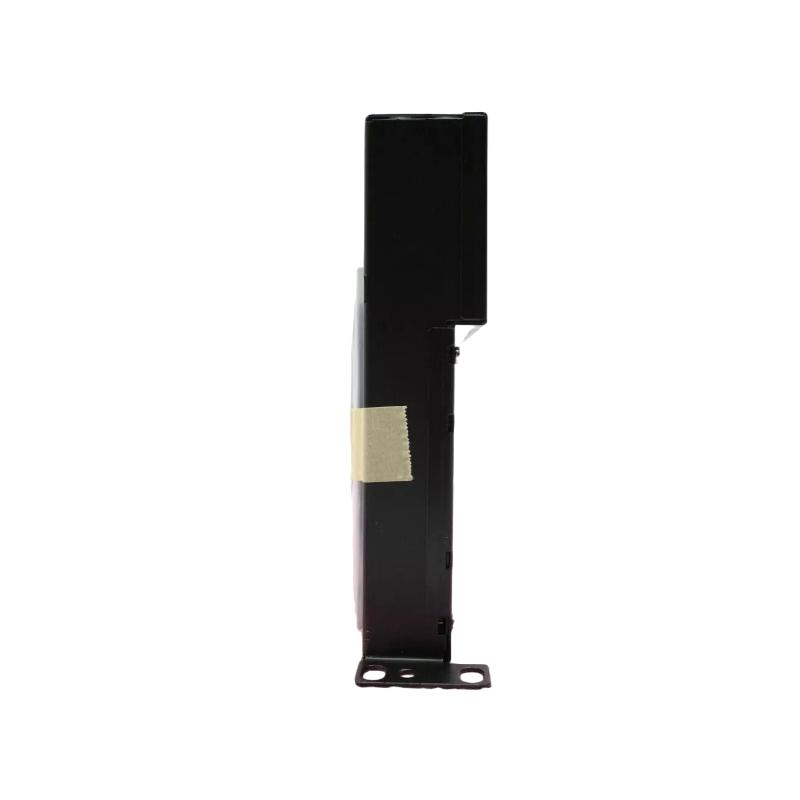
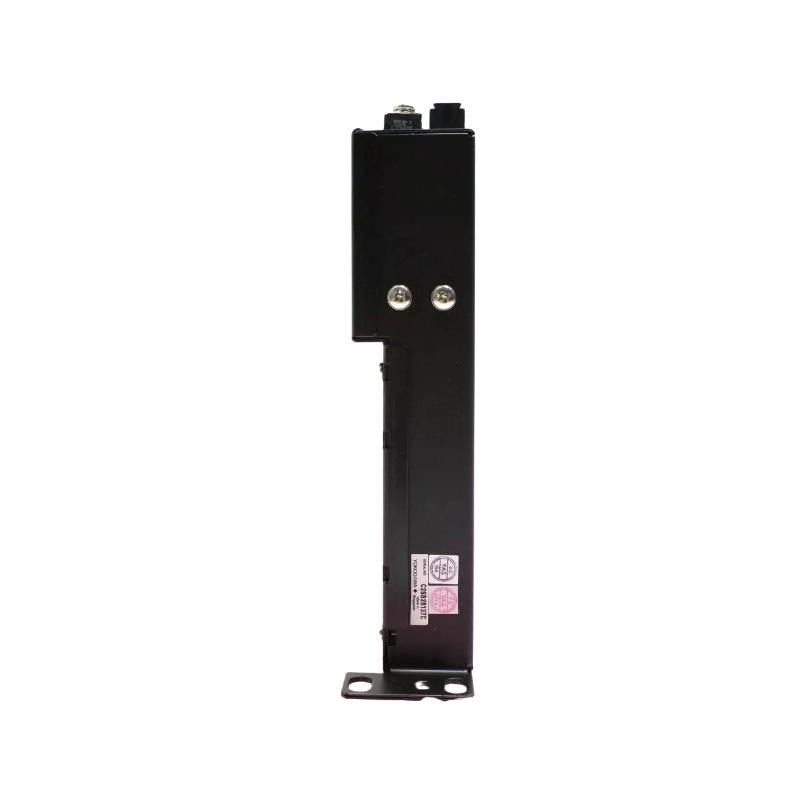
| Dimensions (H × W × D) | 482.6 × 43.6 × 187 mm |
| Net Weight | 1.8 kg (approx. 3.97 lb) |
Application in Distributed Control Systems
The Yokogawa AEP7D-15 Power Bus Unit serves as a dedicated power distribution backbone within Yokogawa rack-based automation architectures, such as the CENTUM VP and ProSafe-RS platforms. It provides structured DC power rails to multiple I/O, interface, and communication modules mounted in a common rack frame. Consistent and clean power distribution is essential for deterministic I/O sampling, reliable digital logic execution, and uninterrupted communication in industrial automation networks.
Typical usage scenarios include:
-
Central and remote process control rack power distribution
-
Distributed I/O panel power infrastructure
-
Process plants in chemical, refining, and oil & gas facilities
-
Power generation and utility control systems
-
Water/wastewater and municipal automation environments
By acting as the shared power backbone, the AEP7D-15 ensures that individual modules receive the required supply voltage with minimal variation, which improves system stability and reduces unexpected resets or errors.
Engineering Advantages and Functional Benefits
From an integration perspective, the AEP7D-15 Power Bus Unit delivers essential benefits for rack-based automation systems:
Structured Power Distribution
Delivers regulated DC power across all module slots, ensuring uniform voltage levels and reducing the risk of power-related faults.
High Reliability for Continuous Operation
Designed for continuous industrial use, supporting extended uptime in critical control applications.
Compatibility with Yokogawa Modules
Seamlessly integrates with Yokogawa I/O, communication, and system modules that require power bus connectivity.
Simplified Cabinet Layout
Reduces the need for external wiring harnesses and simplifies rack wiring practices.
Enhanced Maintainability
Modular design allows the power bus unit to be replaced independently during maintenance without disturbing adjacent modules.
Technical FAQs
-
What is the primary role of the AEP7D-15 unit?
It distributes regulated DC power to modules installed in the Yokogawa rack.
-
Does this unit execute control logic?
No — it functions strictly as a power distribution backbone; control and logic execution occur in processor and I/O modules.
-
How does it improve system stability?
By maintaining consistent power delivery, it reduces voltage variation that can cause module resets or communication errors.
-
Is it compatible with Yokogawa I/O and interface modules?
Yes, it is designed to work with Yokogawa rack-mount modules requiring power bus connectivity.
-
Can it be installed in remote panels?
Yes, the power bus unit can be used in remote rack installations as part of a distributed system.
-
Does it provide overload protection?
Yes — internal routing and protection design help prevent module damage due to power faults.
-
Is redundancy supported?
Redundancy depends on system design and additional power infrastructure, not the power bus unit alone.
-
How is installation performed?
It installs within the rack frame, aligned with module slots and interconnected via the rack backplane.
-
Does it support rack hot-swap?
Handling during maintenance depends on the system’s specific capability; safe procedures should be followed.
-
Is it suitable for harsh industrial environments?
Yes — it is engineered for control cabinet conditions with typical industrial electrical and thermal stresses.
 A DCS Q Co., Ltd. - PLC and DCS Industrial Control Equipment Wholesale