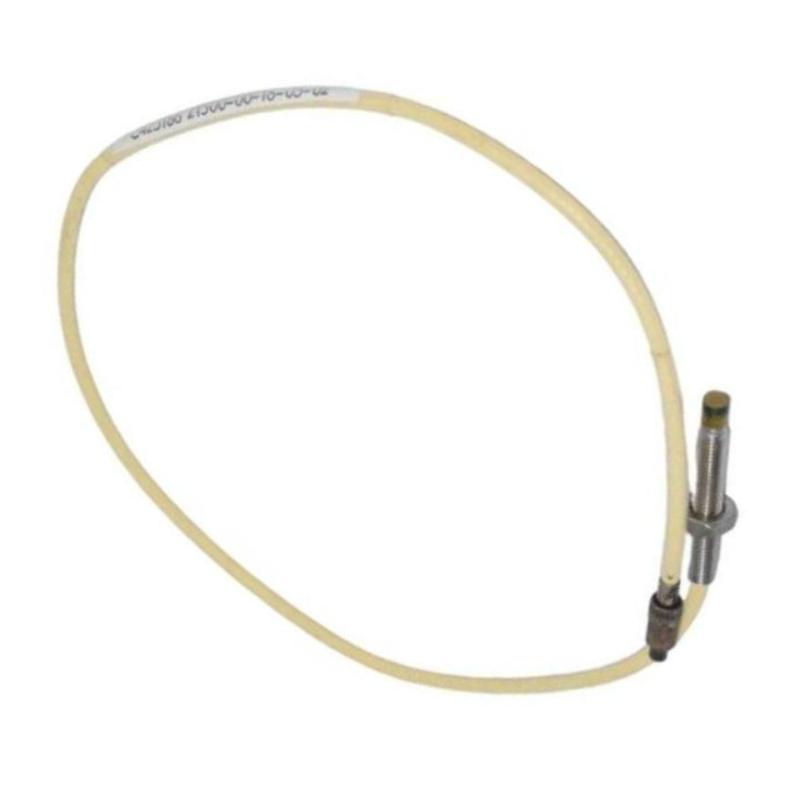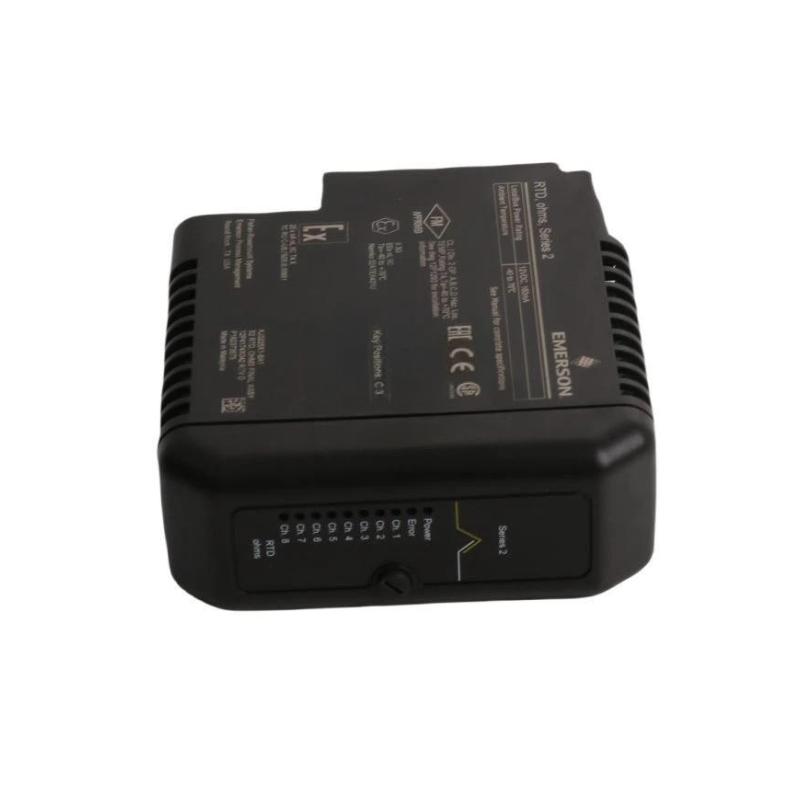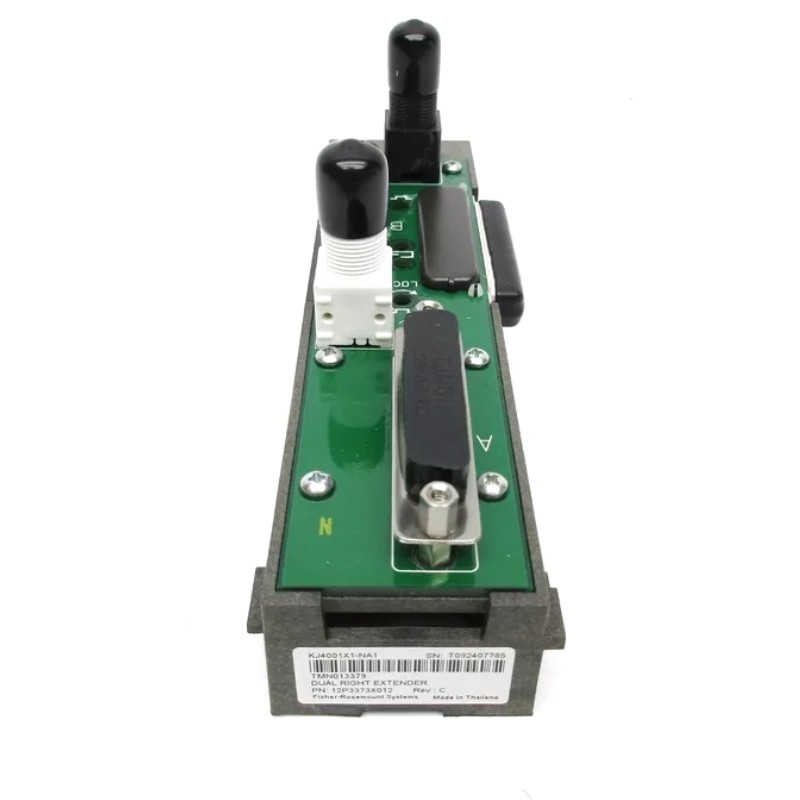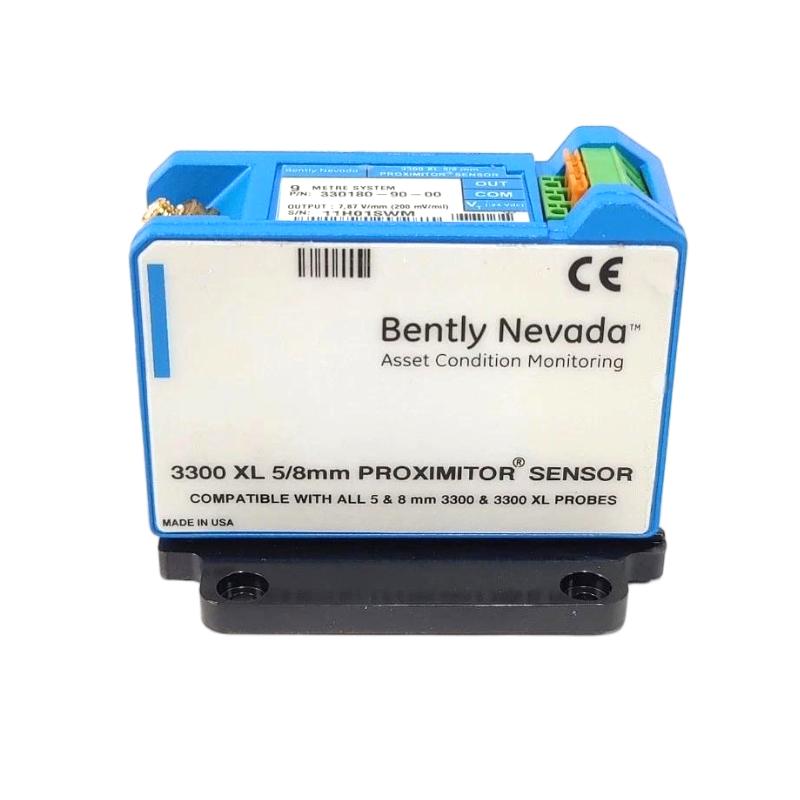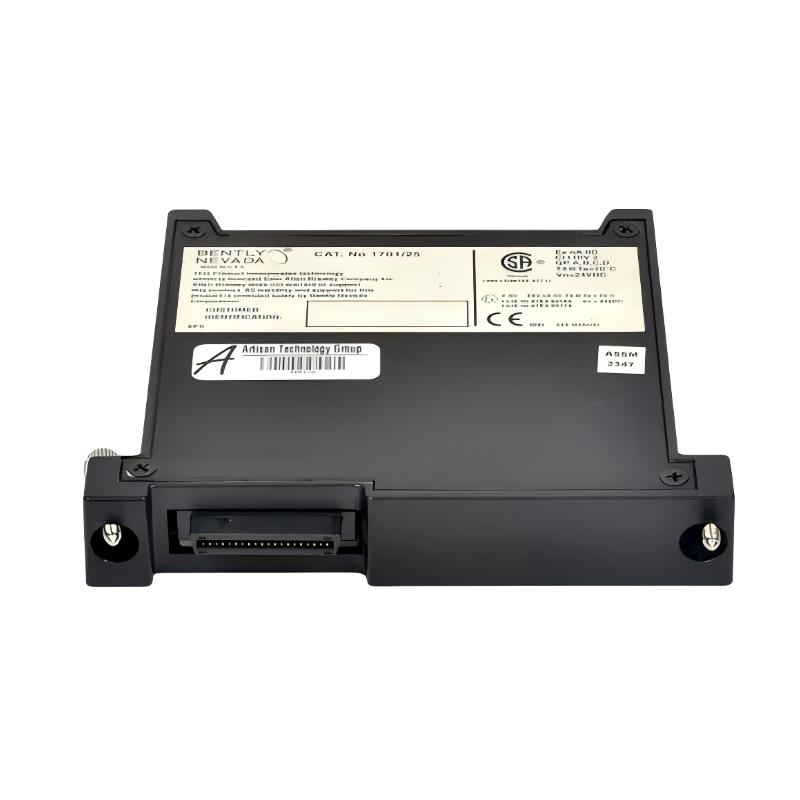
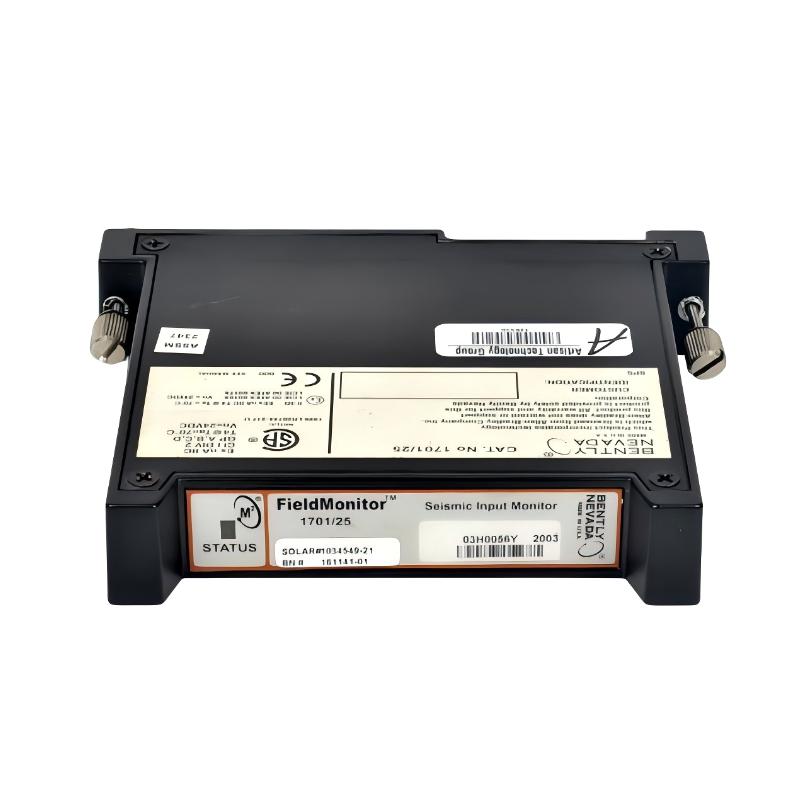
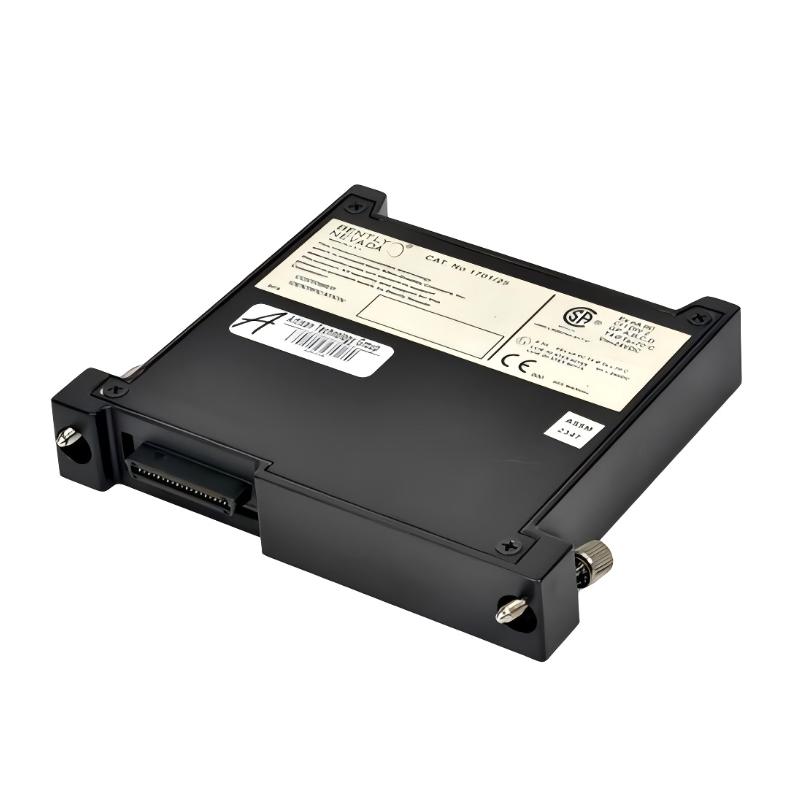
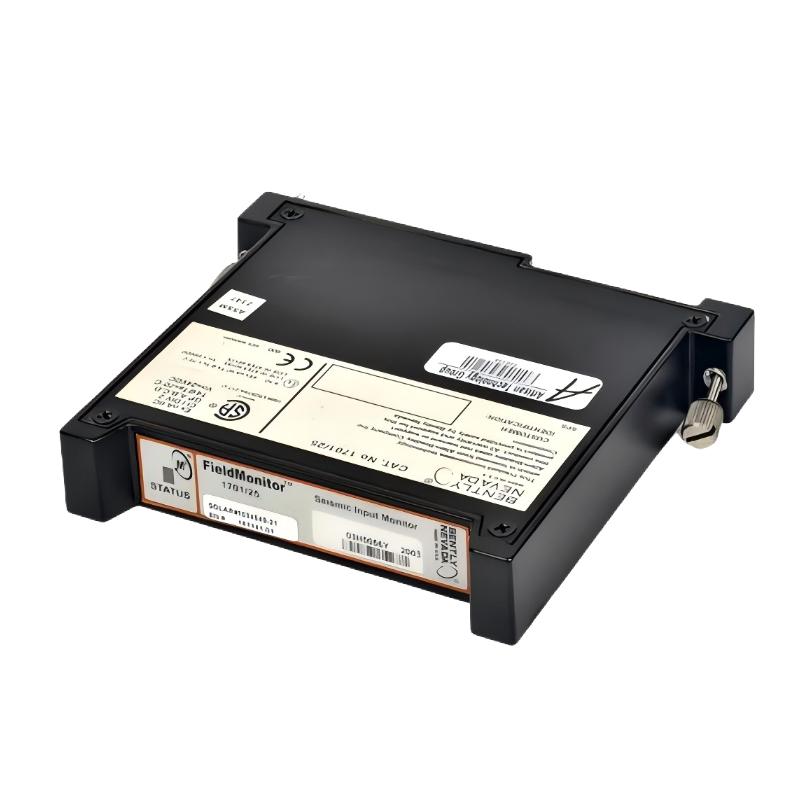
Product Introduction
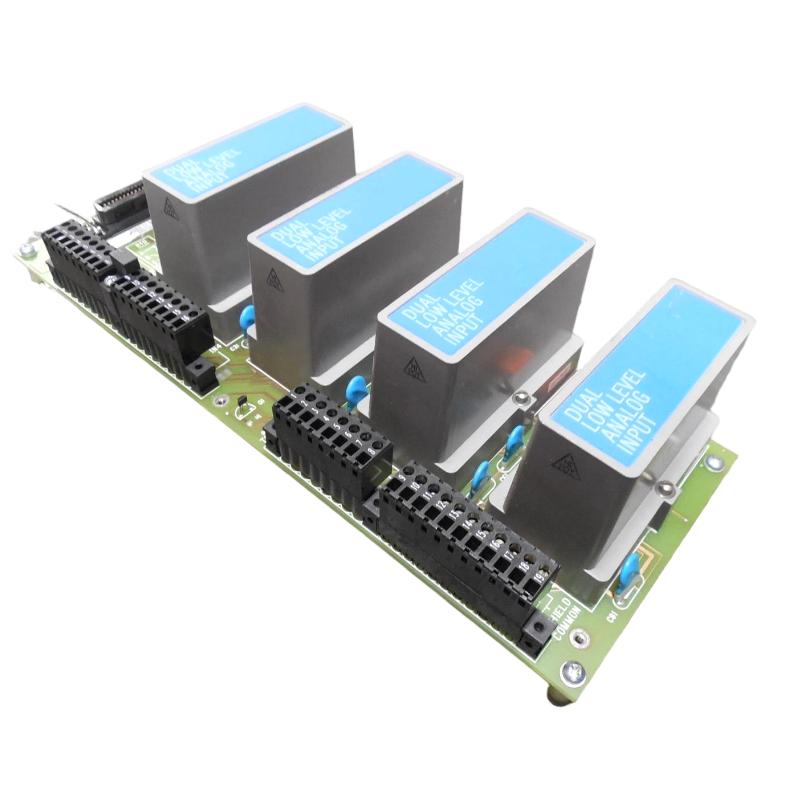
The Bently Nevada 1701/25 (1034549-21) Field Monitor Earthquake Input Monitor is purpose-built for high-resolution signal conditioning of vibration and seismic sensor feeds. Its role is to ensure that delicate dynamic information—whether from standard machine vibration or transient shock events—is preserved and transmitted with fidelity to downstream protection and diagnostic systems.
Its robust design and careful signal conditioning make it a valuable component in condition monitoring schemes where accurate dynamic data is critical for safety, predictive maintenance, and asset protection.
Technical Specifications
| Parameter | Specification |
|---|
| Product Type | Field Monitor / Input Preamplifier |
| Model | 1701/25 (1034549-21) |
| Primary Function | Signal conditioning of vibration and seismic inputs |
| Sensor Compatibility | Accelerometers, seismic/vibration probes |
| Installation | Panel or field proximity mounting |
| Application | Machinery vibration monitoring, earthquake detection |
| Dimensions (H × W × D) | 127 × 21.6 × 105 mm |
| Net Weight | 0.314 kg (approx. 0.69 lb) |
Application in Machinery Protection and Seismic Monitoring
The Bently Nevada 1701/25 (1034549-21) Field Monitor Earthquake Input Monitor is a specialized signal conditioning module engineered for use in machinery health and seismic monitoring systems. Its core purpose is to receive and condition input from vibration and shock sensors (such as accelerometers) that detect both regular machine dynamics and seismic events. By amplifying and stabilizing these sensor outputs, this module delivers high-quality signals to protection systems, data recorders, and condition monitoring instruments.
This device is commonly employed in:
-
Turbine, compressor, and generator vibration monitoring
-
Earthquake and transient shock detection in critical installations
-
Rotating machinery diagnostics in power generation and heavy industry
-
API-compliant machinery protection packages
-
Remote field monitor assemblies where noise and cable length challenge signal integrity
In essence, it ensures the fidelity of critical dynamic data before it reaches analytical or protective hardware.
Key Functional Benefits
From an engineering perspective, reliable signal conditioning is essential for accurate interpretation of severity, frequency content, and timing of mechanical events.
Non-Contact Signal Conditioning
Amplifies and prepares low-level accelerometer or seismic sensor outputs for accurate system processing.
High Noise Immunity
Reduces the effect of electrical interference and cable-induced noise, especially valuable in electrically harsh environments.
Optimized for Transient & Vibration Signals
Designed to preserve the characteristics of both steady-state vibration and fast transient (earthquake) inputs.
Field-Ready Mechanical Design
Compact and rugged housing allows installation close to the sensor location or within control enclosures.
Supports Long Cable Runs
Signal conditioning at the source mitigates degradation when transmitting over extended distances.
 A DCS Q Co., Ltd. - PLC and DCS Industrial Control Equipment Wholesale