Product Introduction
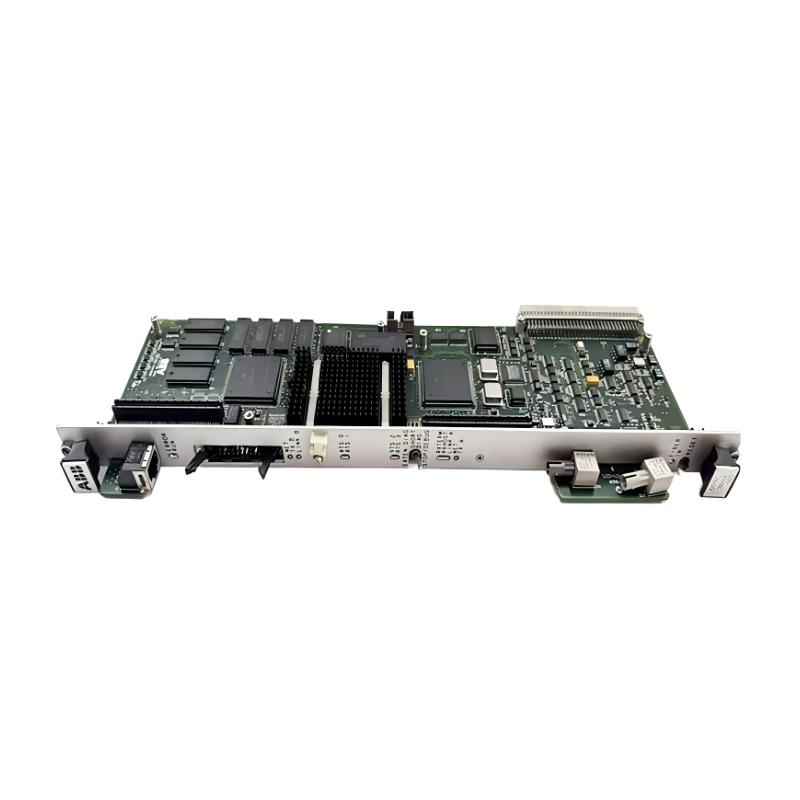
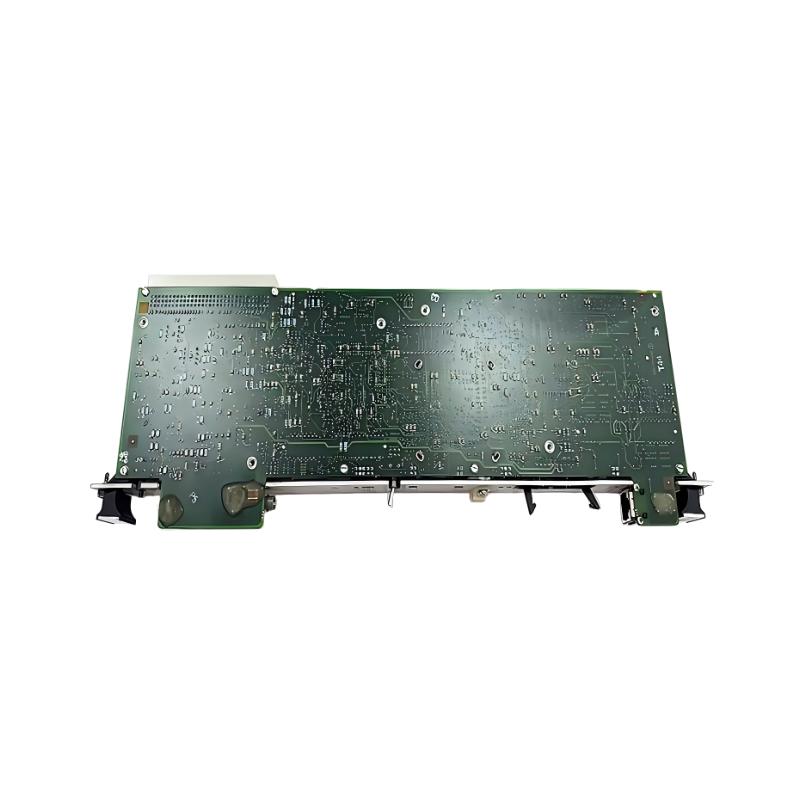
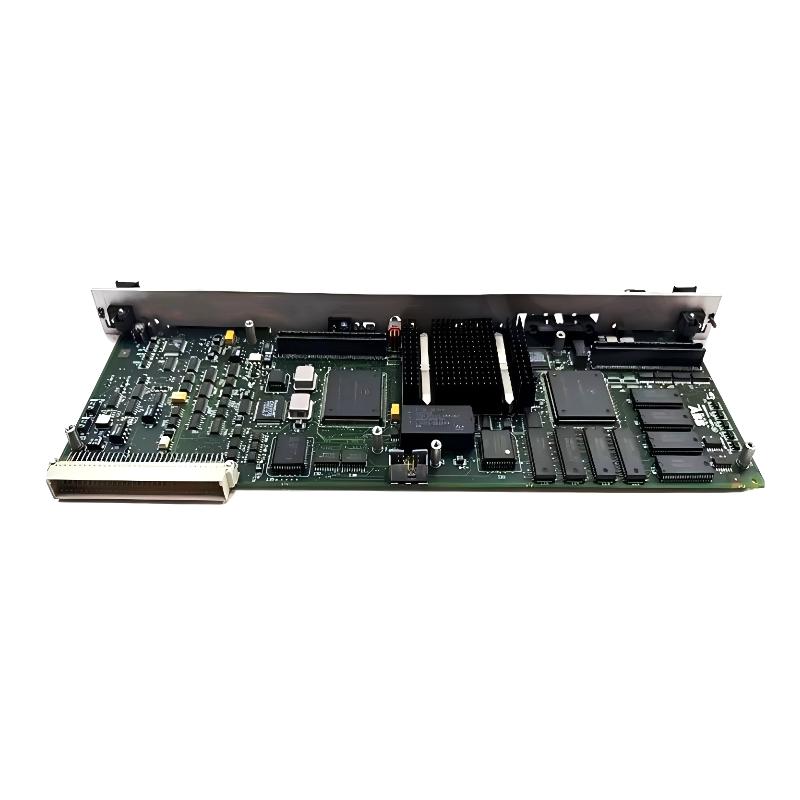
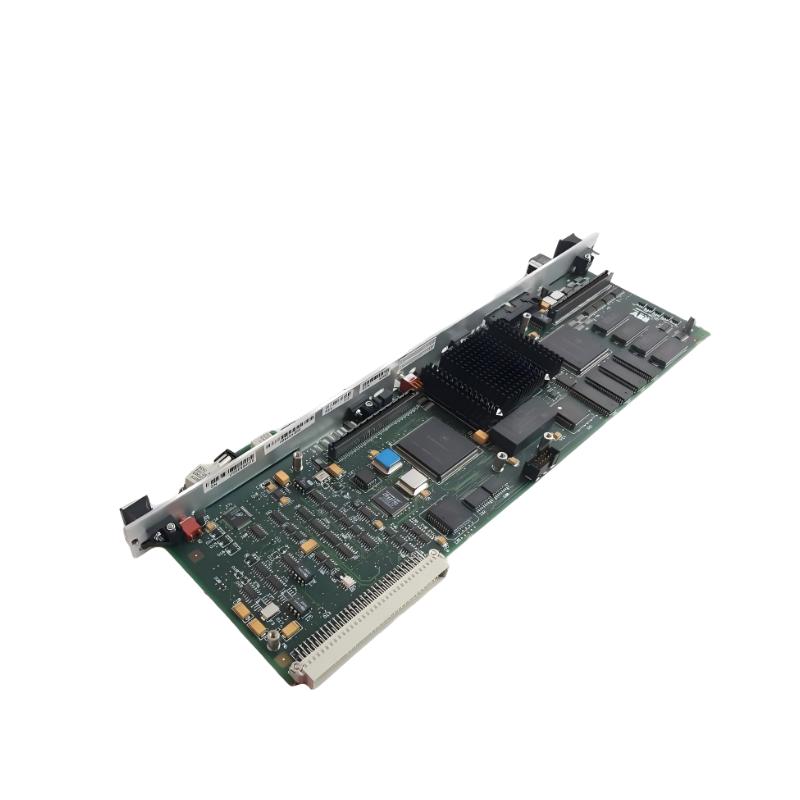
The ABB MPRC 086444-005 Direct-Connect Fiber Optic Module provides a resilient communication interface for high-integrity industrial networks. By leveraging the advantages of fiber optics, it supports long-distance, noise-immune data exchange critical to modern automation architectures.
Whether deployed between remote I/O segments or across distributed control racks, this module enhances system performance and data reliability where traditional copper communications would be challenged.
Technical Specifications
| Parameter | Specification |
|---|
| Product Type | Fiber Optic Communication Module |
| Model | MPRC 086444-005 |
| Platform | ABB Automation and Network Systems |
| Primary Function | High-speed direct fiber optic communication |
| Installation | Control cabinet / panel mounting |
| Application | Distributed systems and high-integrity networks |
| Dimensions (H × W × D) | 420 × 30 × 160 mm |
| Net Weight | 0.4 kg (approx. 0.88 lb) |
Application in High-Speed Industrial Networks
The ABB MPRC 086444-005 Direct-Connect Fiber Optic Module is designed to provide robust, high-speed data communication within industrial control and automation systems. By using fiber optic media, this module enables interference-resistant connectivity between distributed controllers, remote I/O racks, and network segments — especially where electrical noise, long cable runs, or grounding concerns would compromise copper connections.
Typical deployment environments include:
-
Distributed control system (DCS) communication backbones
-
Remote I/O and controller link segments
-
Power generation and utility automation networks
-
Hazardous or electrically noisy process areas
-
Long-distance industrial network spans
In mission-critical automation, high-integrity communication ensures consistent data delivery and predictable system performance.
Engineering Advantages and Performance Benefits
From a network architect’s perspective, fiber optic modules offer distinct technical benefits:
High-Noise Immunity
Fiber media are unaffected by electrical noise, ensuring data integrity in harsh electromagnetic environments.
Long-Distance Connectivity
Supports communication over much greater distances than copper, without signal degradation.
No Ground Loop Issues
Optical isolation inherently prevents ground offset and loop current problems between enclosures.
Deterministic Network Performance
Stable, uninterrupted data flow supports time-critical control and monitoring tasks.
Scalable System Integration
Enables linking of multiple remote segments to central systems without compromising speed.
Technical FAQs
-
What is the primary purpose of this module?
It provides a fiber optic communication link between automation system components.
-
Does it perform control logic?
No — it handles high-speed data transmission; control logic is executed in the host controllers.
-
Why use fiber instead of copper?
Fiber offers superior noise immunity, longer reach, and inherent electrical isolation.
-
Can it support redundant communication paths?
Fiber architectures can be designed for redundancy depending on system topology.
-
Is this suited for distributed I/O environments?
Yes, it enables connectivity between distant I/O racks and central controllers.
-
How does it handle electrical interference?
Fiber transmission is immune to electromagnetic interference, protecting data integrity.
-
What network speeds are supported?
Supported speeds depend on system design and fiber transceiver specifications.
-
Can it integrate with standard Ethernet networks?
When paired with appropriate interface electronics, it can bridge to Ethernet over fiber.
-
Is specialized installation required?
Proper routing and termination of fiber cables require trained personnel and suitable tools.
-
How does it impact system reliability?
High-integrity fiber links reduce communication errors and improve overall uptime.
 A DCS Q Co., Ltd. - PLC and DCS Industrial Control Equipment Wholesale