Product Introduction
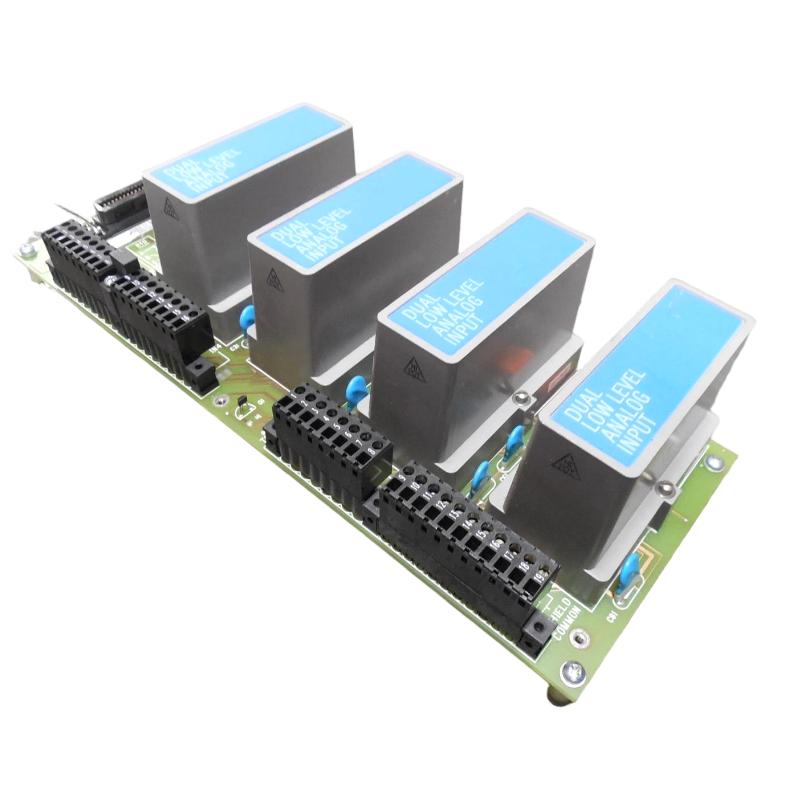
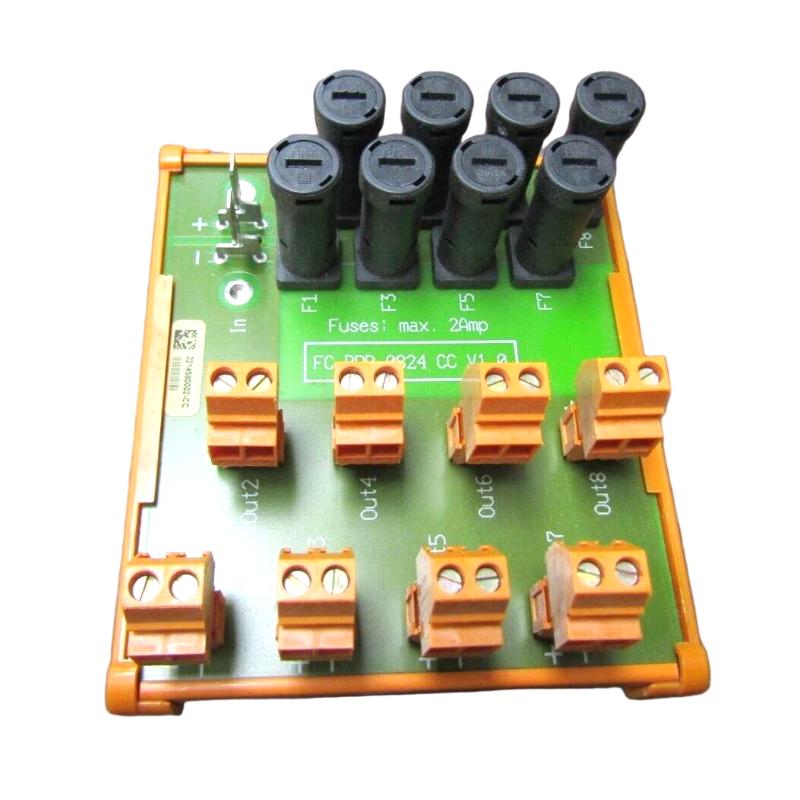
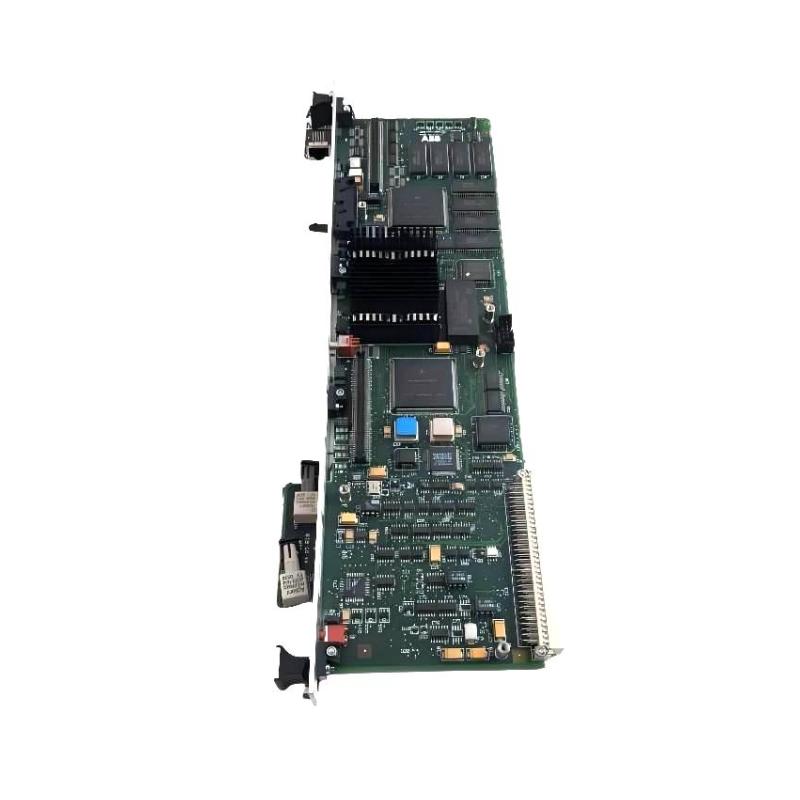
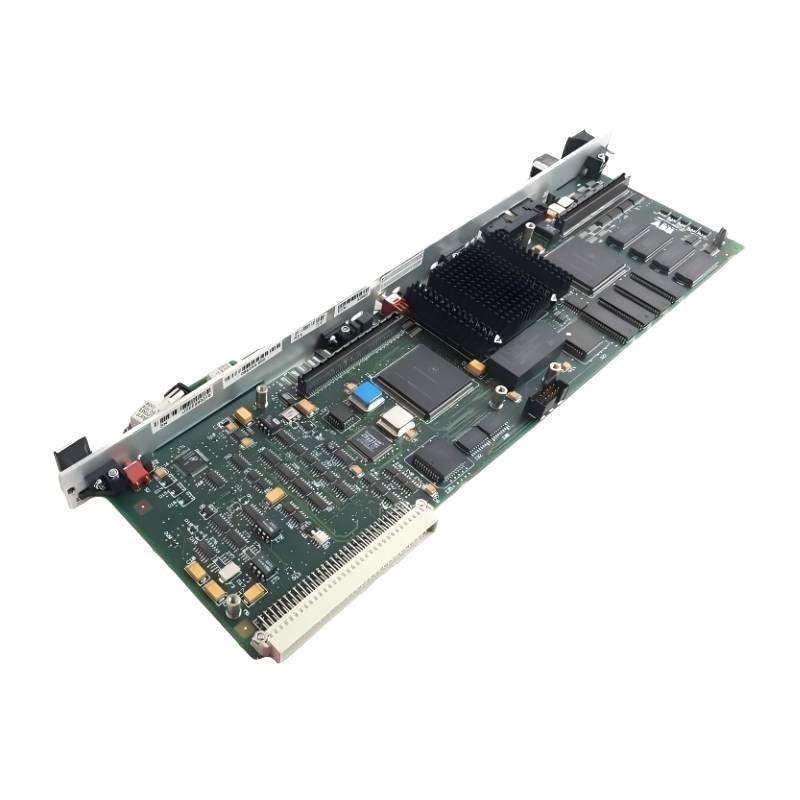
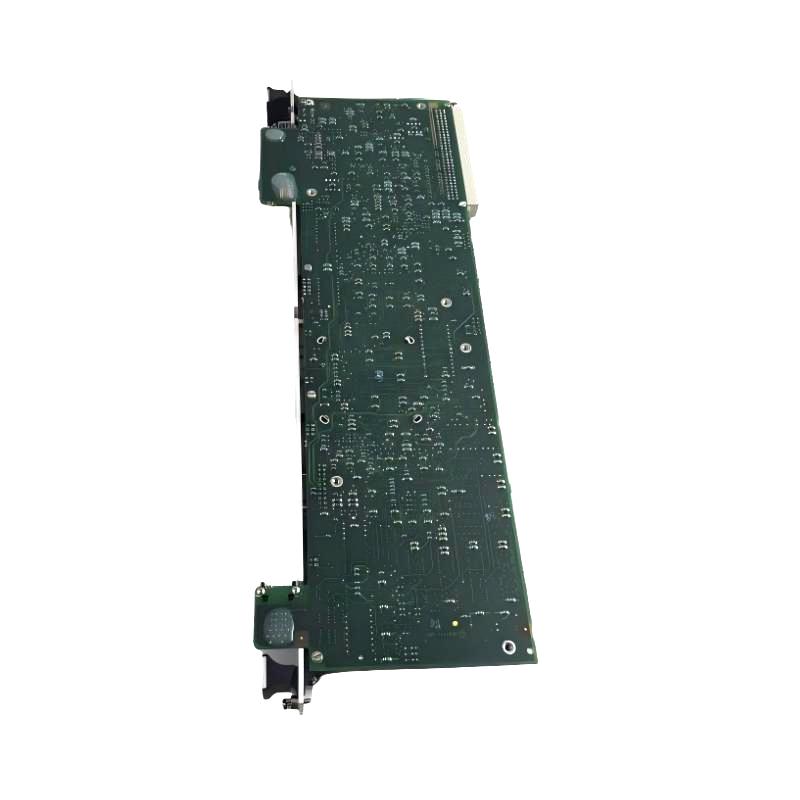
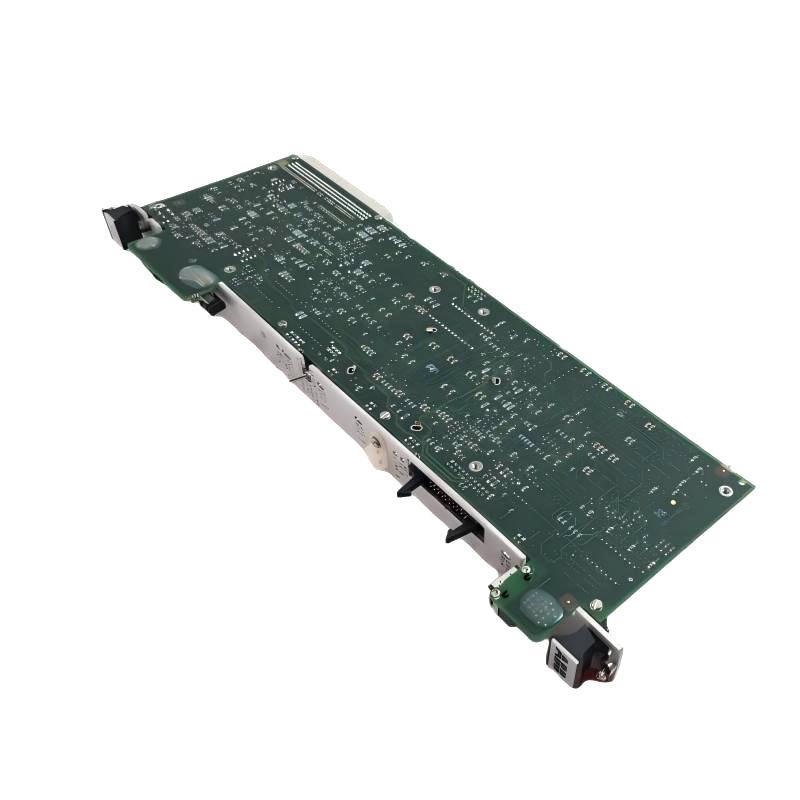
The ABB 086406-502 Signal Board is a passive interface module designed to organize, condition, and route field signals to upstream control and processing modules. By providing a structured electrical pathway and potential filtering/buffering, the board helps ensure that field data reaches controllers with integrity, clarity, and reduced noise susceptibility.
Its modular design supports efficient cabinet layouts and simplifies maintenance, making it useful in large automation panels, remote I/O installations, and machine control systems where signal quality and organization are vital.
Technical Specifications
| Parameter | Specification |
|---|
| Product Type | Signal Interface Board |
| Model | 086406-502 |
| Platform | ABB Automation and Control Systems |
| Primary Function | Signal routing and conditioning interface |
| Installation | Control cabinet / I/O carrier mounting |
| Operating Environment | Industrial indoor control systems |
| Dimensions (H × W × D) | 180 × 50 × 100 mm |
| Net Weight | 0.6 kg (approx. 1.32 lb) |
Role in Industrial Control Systems
The ABB 086406-502 Signal Board is a modular interface board used within ABB control and automation platforms. It provides structured connections and signal conditioning between field-level devices (sensors/actuators) and higher-level control logic. Signal boards like this serve as bridges that translate raw electrical inputs/outputs into formats suitable for processing modules, ensuring accurate signal interpretation and reliable system behavior.
Common application contexts include:
-
Distributed I/O cabinets in process automation
-
Remote signal consolidation for PLC/DCS systems
-
Machine interface panels
-
Analog and digital signal routing in modular control racks
-
Robotics and OEM automation systems
By separating signal interfacing from core processing, systems gain easier serviceability and more organized wiring layouts.
Practical Advantages and Functional Highlights
From an engineering perspective, a signal board enhances control system performance in several ways:
Organized Signal Routing
Groups field wiring into logical channels, simplifying panel layouts and documentation.
Signal Conditioning Support
Prepares raw signals — such as filtering, buffering, and clamping — before passing them to controllers.
Reduced Noise and Interference
Stable internal pathways improve signal integrity in electrically noisy environments.
Modular Serviceability
Boards are easily accessed and replaced without disturbing other modules.
Documentation and Traceability
Clearly labeled routes facilitate commissioning, troubleshooting, and upgrades.
Technical FAQs
-
What is the primary role of the 086406-502 board?
It consolidates and conditions field signals before passing them to control logic or I/O modules.
-
Does it process logic or control functions?
No — it is a signal interface layer; control logic resides in the processor/controller.
-
Can it accept both analog and digital signals?
Yes, depending on the specific system design and configuration.
-
How are field devices connected?
Field wiring is typically terminated on the board’s designated terminals or connectors.
-
Does it improve signal noise performance?
Yes — internal conditioning and grounding design help reduce interference effects.
-
Is it easily serviceable?
Yes — modular form allows replacement without cabinet disassembly.
-
Does it support diagnostics?
Status indicators and system diagnostics may provide health reporting via connected controllers.
-
Where is it installed?
Within control cabinets, in proximity to I/O carriers or interface modules.
-
Does it require firmware?
No — it is a hardware signal interface; firmware resides in the controller.
-
Can it be used in distributed panels?
Yes, it supports remote cabinet installations where signal conditioning is needed.
 A DCS Q Co., Ltd. - PLC and DCS Industrial Control Equipment Wholesale