Product Introduction
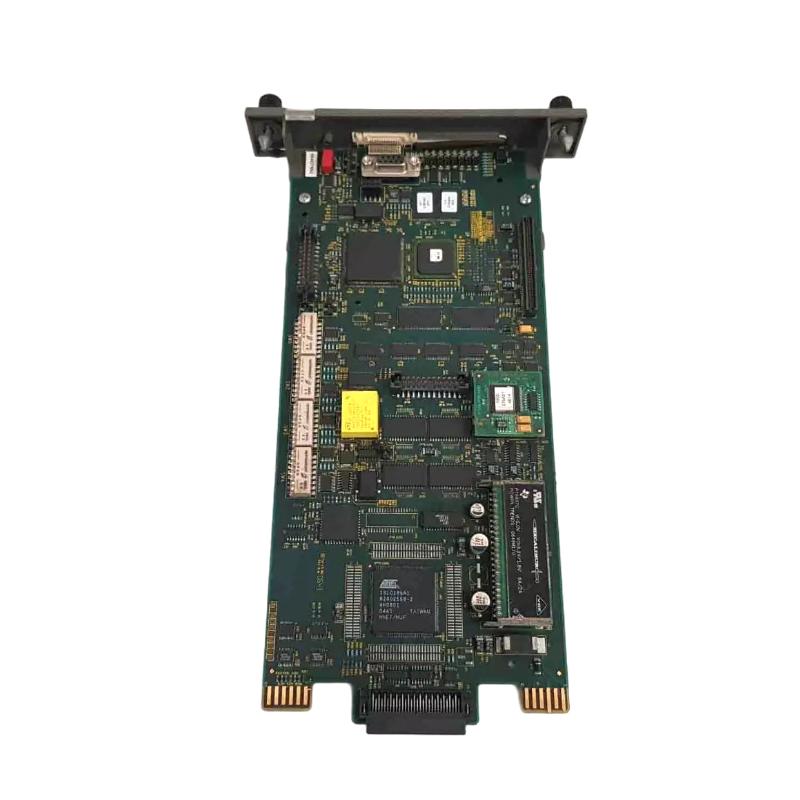
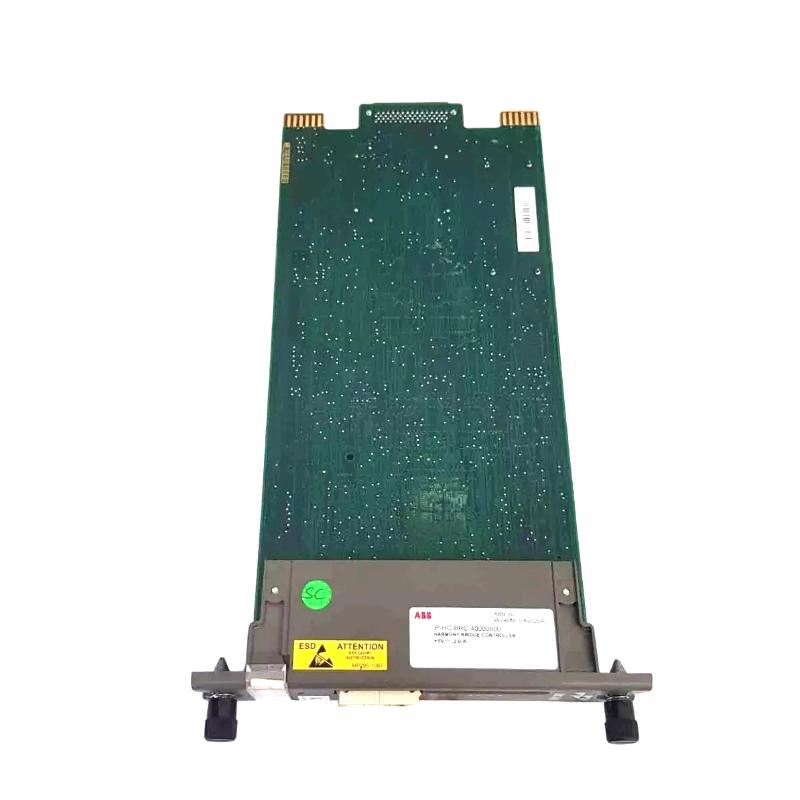
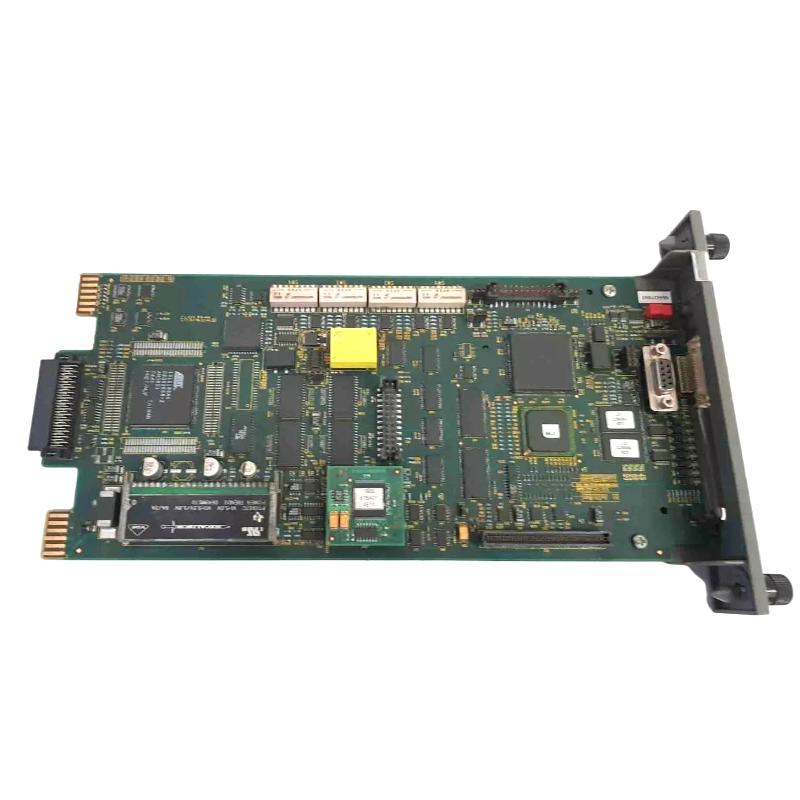
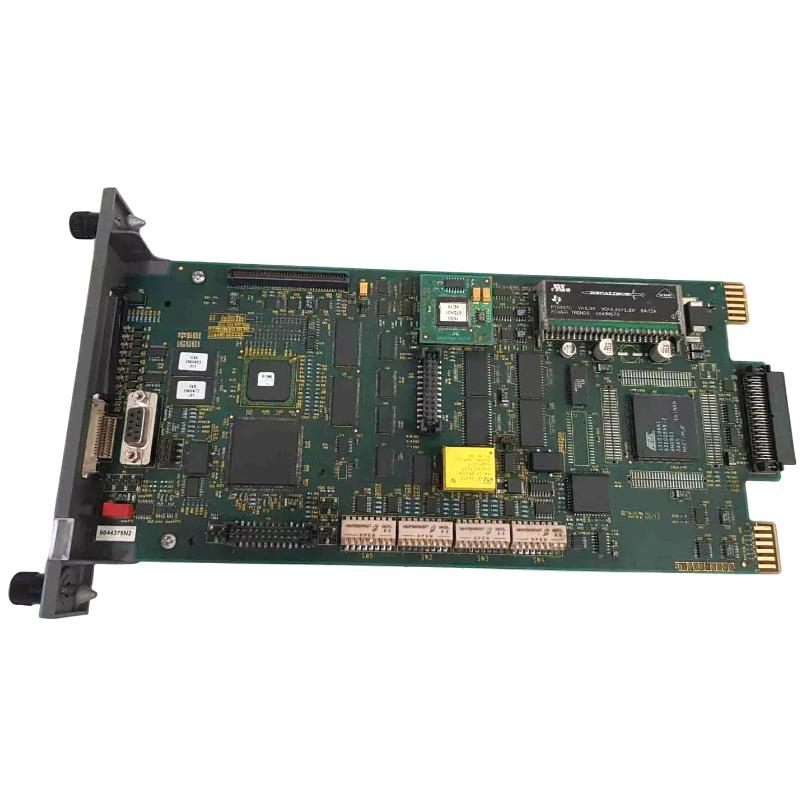
The ABB Bailey BRC400 P-HC-BRC-40000000 Bridge Controller acts as a communications backbone within complex automation systems. While not a primary control processor, it plays a vital role in ensuring that control modules, I/O sectors, and supervisory elements share consistent, synchronized data.
Its mechanical profile and communication functions support scalable system architectures, enabling integration across distributed panels and diverse field networks. The BRC400 enhances both system cohesion and diagnostic transparency in industrial automation implementations.
Technical Specifications
| Parameter | Specification |
|---|
| Product Type | Bridge Controller |
| Model | BRC400 |
| Part Number | P-HC-BRC-40000000 |
| Function | Communication bridge within automation networks |
| Installation | Control cabinet mounting |
| Application | Distributed control and communication integration |
| Dimensions (H × W × D) | 265 × 187 × 25 mm |
| Net Weight | 0.95 kg (approx. 2.09 lb) |
Application in Distributed Control Systems
The Bailey BRC400 Bridge Controller is engineered as a communication and integration interface within ABB’s Bailey / INFI 90 and automation platforms. It typically serves as a gateway between control modules, I/O devices, and supervisory subsystems, providing structured data exchange and facilitating coordinated control actions across system segments.
Common deployment scenarios include:
-
Distributed process control networks
-
Multi-rack system communication bridges
-
Integration between legacy Bailey systems and modern DCS networks
-
Alarm, event, and status data consolidation
-
Remote segment communication within large automation installations
This controller is particularly suitable where diverse automation segments must operate cohesively under unified supervision.
Functional Benefits and Engineering Value
Bridge controllers are pivotal in ensuring reliable communication and system-level coordination:
Protocol Bridging and Integration
Facilitates data exchange between different network segments and compatible automation platforms.
Deterministic Communication Performance
Ensures reliable transfer of control and diagnostic data with predictable timing.
System Scalability Support
Enables expansion of control architectures without compromising communication integrity.
Diagnostics and Monitoring
Supports structured status reporting and health monitoring across connected modules.
Panel-Ready Mechanical Design
Slim profile and compact footprint support space-efficient cabinet installations.
Technical FAQs
-
What is the primary role of the BRC400?
It serves as a communication bridge between control and I/O segments within industrial automation networks.
-
Which automation platforms is it compatible with?
It is designed for use with ABB Bailey and related process control systems.
-
Does it perform control logic execution?
No, its primary function is communication and data exchange; control logic resides in dedicated controllers.
-
What types of communication does it support?
It handles structured data exchange between system segments, typically over serial or fieldbus links.
-
Is it suitable for large-scale distributed systems?
Yes, it supports scalable architectures needing coherent communication paths.
-
Does it provide diagnostics?
It supports status monitoring and health reporting for communication links.
-
How is it configured?
Configuration and parameterization are performed through the system engineering software.
-
Can it interface with supervisory systems?
Yes, it can bridge lower-level control networks to supervisory or host systems.
-
Does it introduce network latency?
It is engineered to maintain deterministic data exchange suitable for industrial control requirements.
-
Is it suitable for critical process environments?
Yes, it is designed to operate reliably within control cabinets under industrial environmental conditions.
 A DCS Q Co., Ltd. - PLC and DCS Industrial Control Equipment Wholesale