Introduction
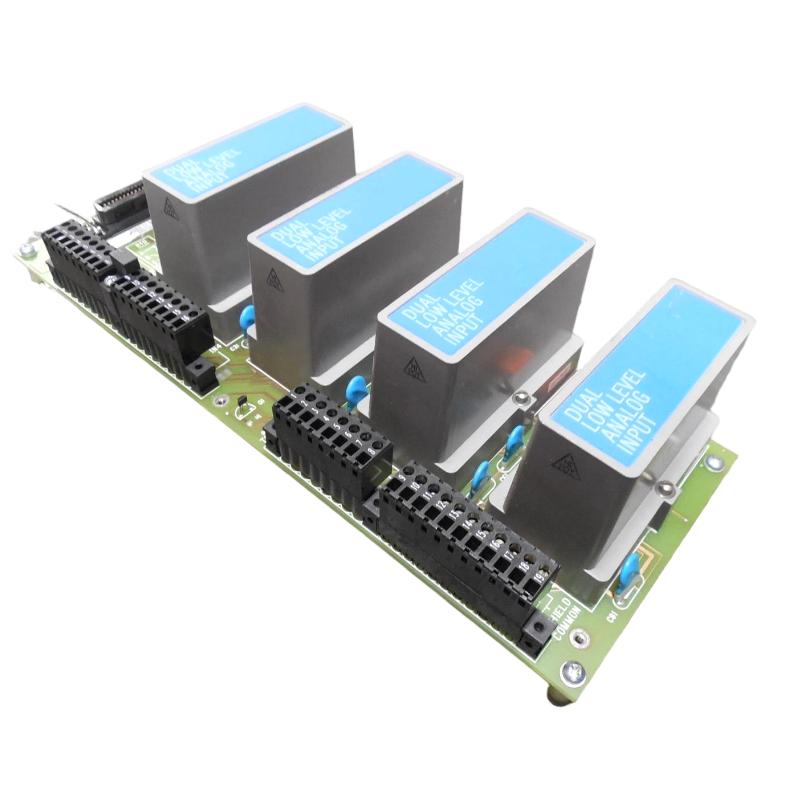
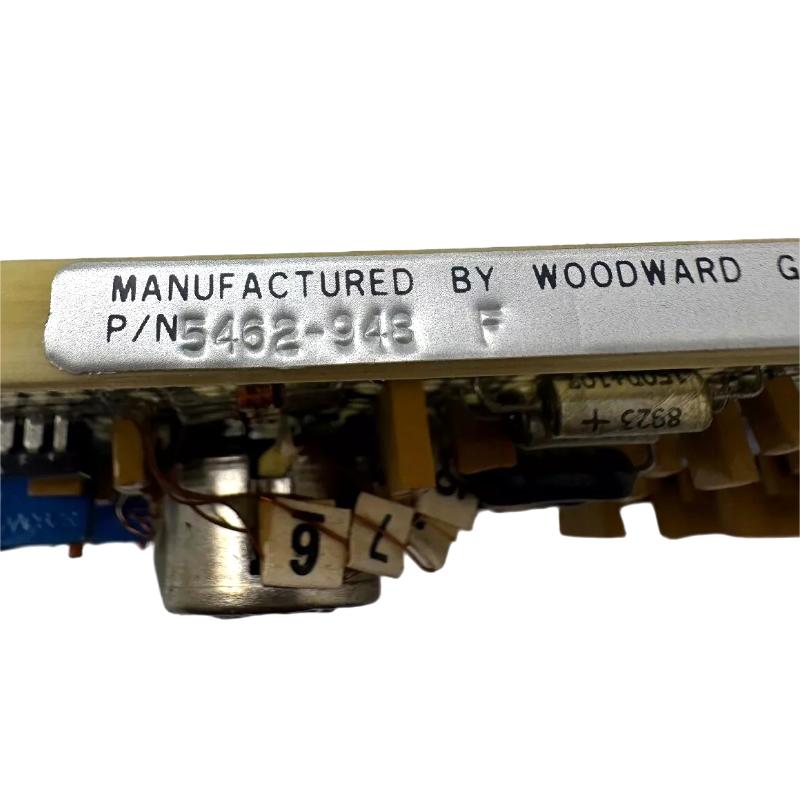
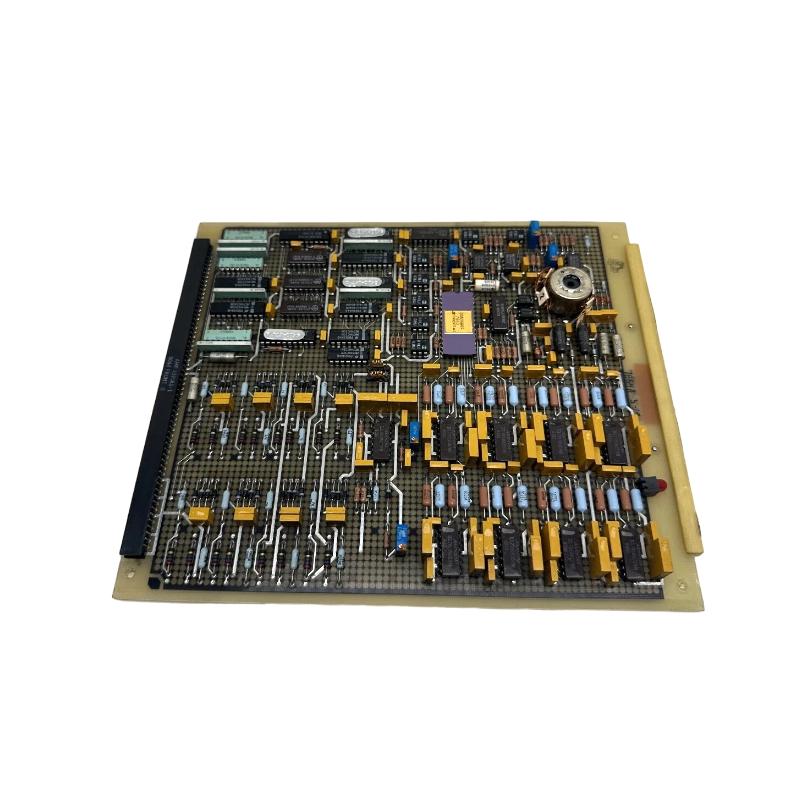
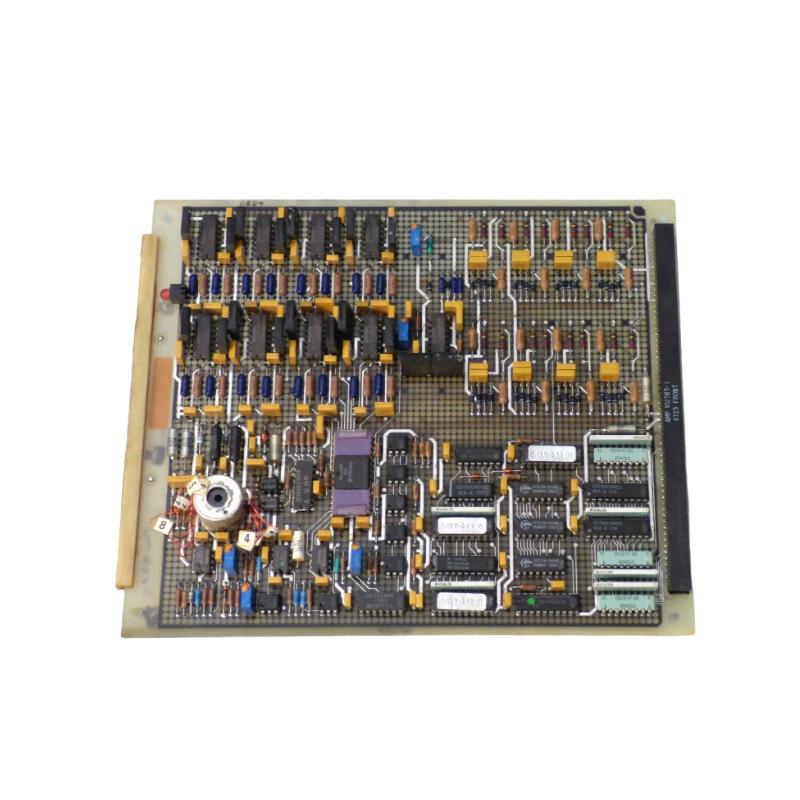
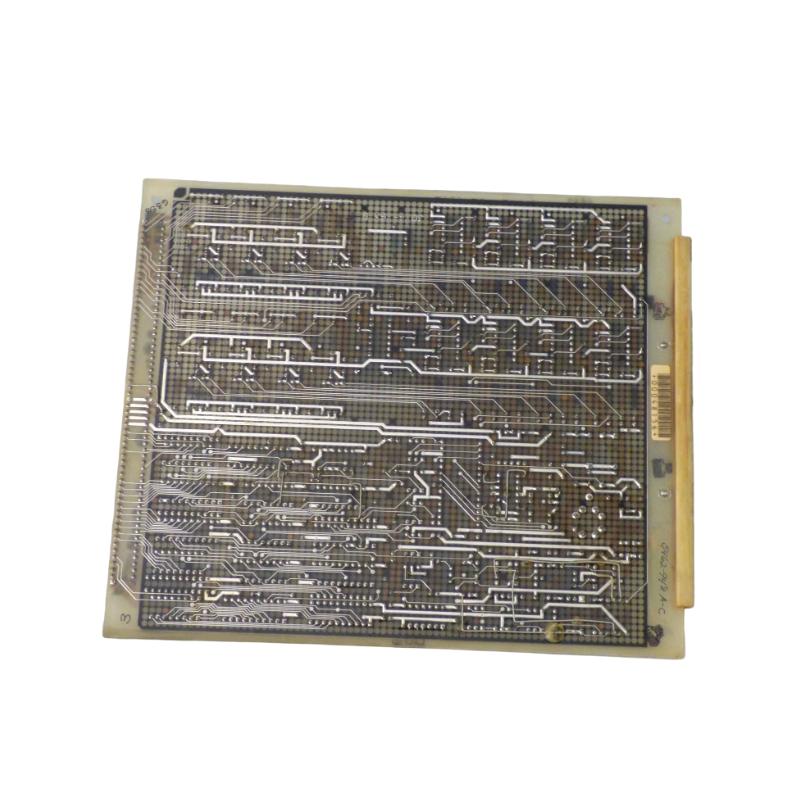
The Woodward 5462-948 T/C Card is a precision thermocouple (T/C) interface board designed to accurately condition and translate thermocouple sensor signals for industrial control systems. Engineered for demanding automation environments, this module delivers dependable temperature signal capture, cold-junction compensation, and noise-immune output suitable for further processing by controllers, PLCs, or monitoring systems. Its rugged form factor and industrial-ready construction make it ideal for use in power generation, turbine systems, process control, and machinery applications where accurate temperature feedback is essential.
This card enhances process stability and safety by providing clean, conditioned temperature data, enabling control logic to respond reliably to thermal changes in real time.
Technical Specifications
| Parameter | Specification |
|---|
| Model | 5462-948 |
| Module Type | Thermocouple (T/C) Interface Card |
| Manufacturer | Woodward |
| Input Channels | Multiple thermocouple inputs (configurable) |
| Supported Thermocouple Types | Industrial T/C standards (e.g., J/K/T/E) |
| Signal Conditioning | Cold-junction compensation and amplification |
| Output Type | Conditioned analog or digital signal to controller (system dependent) |
| Isolation | Galvanic isolation between input circuits and logic |
| Mounting | Panel, chassis, or rack mount (platform dependent) |
| Operating Temperature | Industrial-rated range |
| Environmental Tolerance | Designed for vibration and electrical noise resilience |
Applications
The 5462-948 T/C Card is frequently used in temperature-driven control and monitoring applications, including:
-
Power plant temperature measurement and protection loops
-
Turbine exhaust and bearing temperature supervision
-
Boiler and furnace thermal control systems
-
Chemical and petrochemical process temperature feedback
-
Heat exchanger and heat-treating system monitoring
-
Machinery condition monitoring based on thermal profiles
By delivering accurate temperature feedback into control systems, this module supports enhanced system stability, efficiency, and safety.
Advantages
Accurate Thermocouple Interface
Integrated cold-junction compensation and amplification ensure precise temperature readings critical for control logic.
Support for Multiple T/C Types
Flexible compatibility with widely used industrial thermocouples (J/K/T/E) allows broad application use.
Electrical Isolation
Galvanic isolation protects sensitive logic and processing circuits from noise and transient spikes originating at the sensor level.
Industrial-Ready Durability
Designed to withstand vibration, temperature variation, and electrical noise typical of heavy-duty automation environments.
Ease of Integration
Modular form factor supports integration into racks, panels, or chassis installations with minimal wiring complexity.
This card enhances control and monitoring systems by reliably transforming raw thermocouple signals into conditioned data ready for precise analysis.
Technical FAQs
1. What is the purpose of the 5462-948 T/C Card?
It interfaces thermocouple sensors with control systems by conditioning temperature signals.
2. Which thermocouple types does it support?
Common industrial types such as J, K, T, and E are supported, depending on configuration.
3. Does it include cold-junction compensation?
Yes — integrated compensation improves measurement accuracy across varying ambient conditions.
4. Is the module electrically isolated?
Yes — galvanic isolation separates input circuits from control logic, improving noise immunity.
5. What environments is it suitable for?
Industrial automation environments with vibration, temperature swings, and electrical noise.
6. Can it handle multiple inputs?
Yes — it supports multiple thermocouple channels for distributed temperature sensing.
7. What output type does it provide?
Conditioned analog or digitized signals suitable for controller interpretation.
8. Is it suitable for continuous temperature monitoring?
Yes — designed for real-time, continuous operation in process applications.
9. How is it mounted?
It installs in compatible racks, panels, or chassis, depending on system design.
10. What processes benefit from this card?
Power generation, process heating, turbine thermal control, and other temperature-critical systems.
 A DCS Q Co., Ltd. - PLC and DCS Industrial Control Equipment Wholesale