Introduction
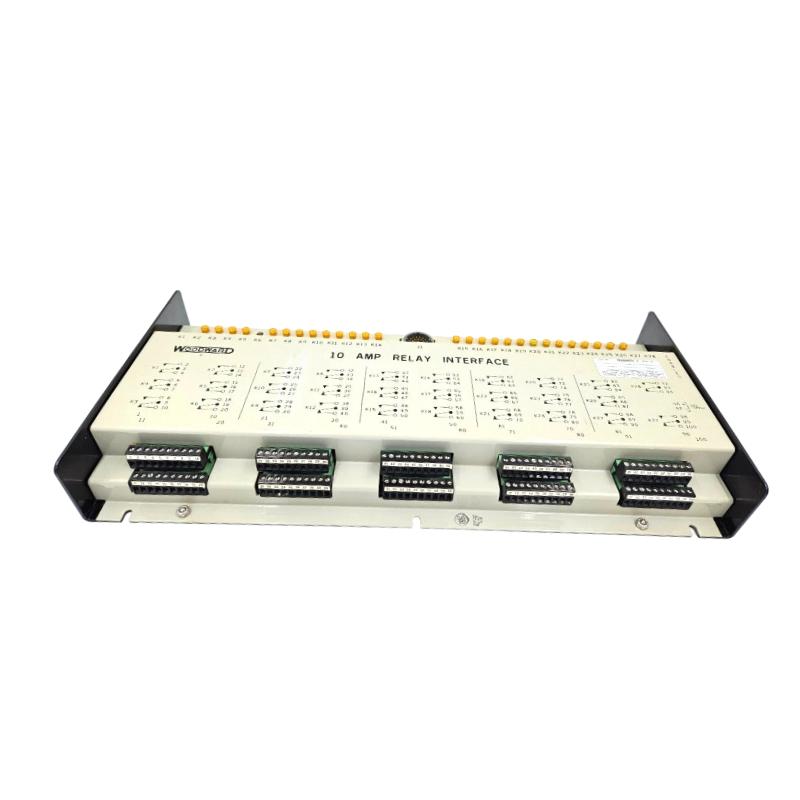
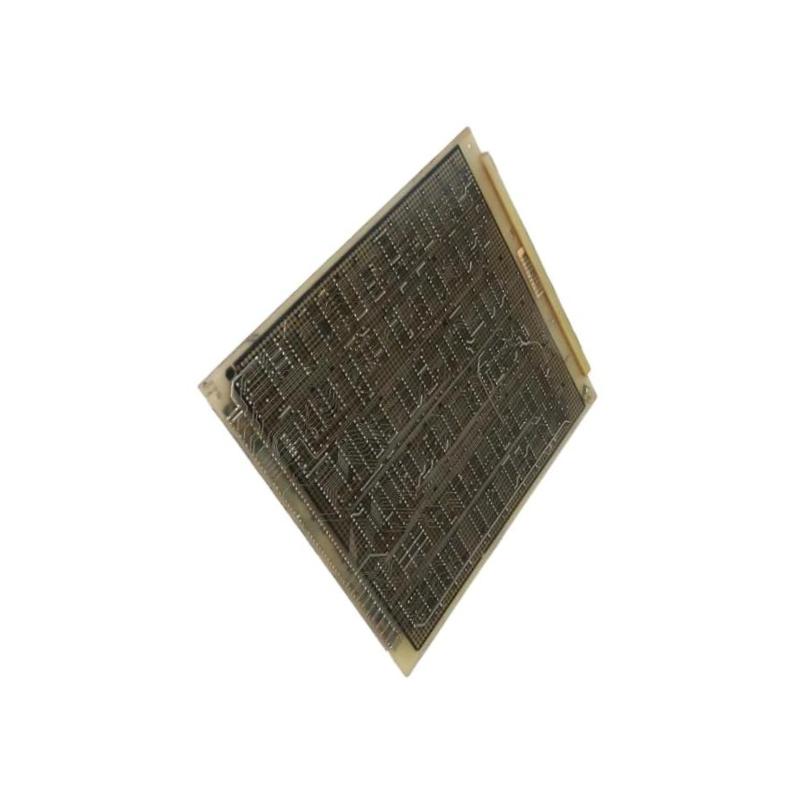
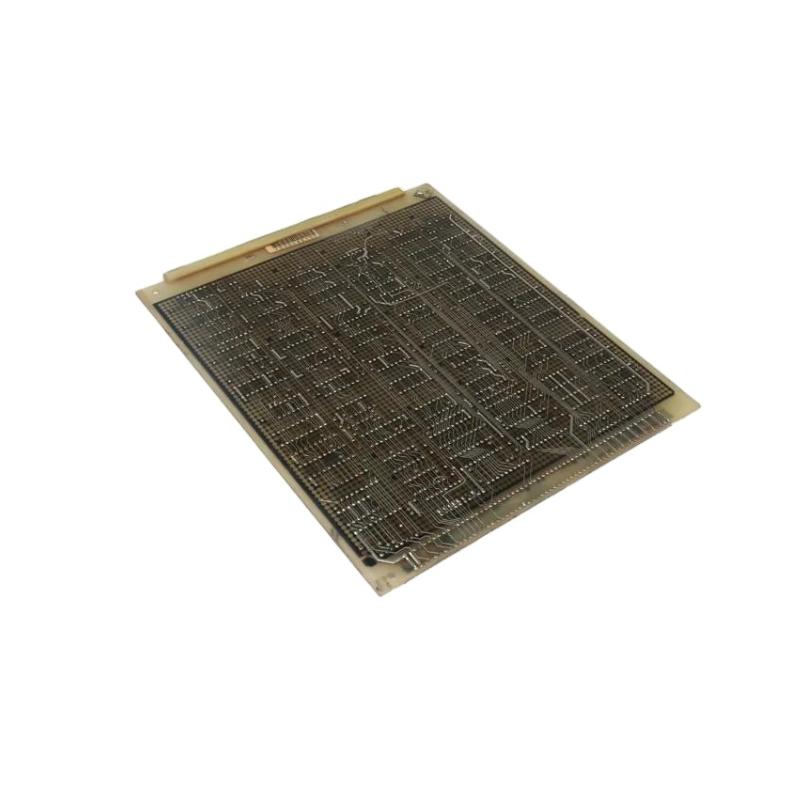
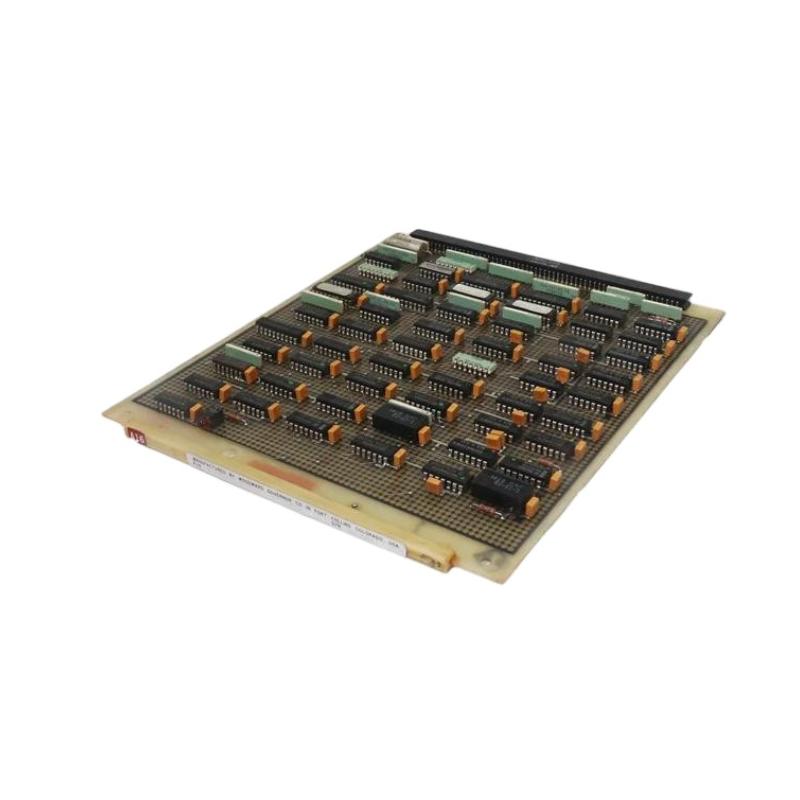
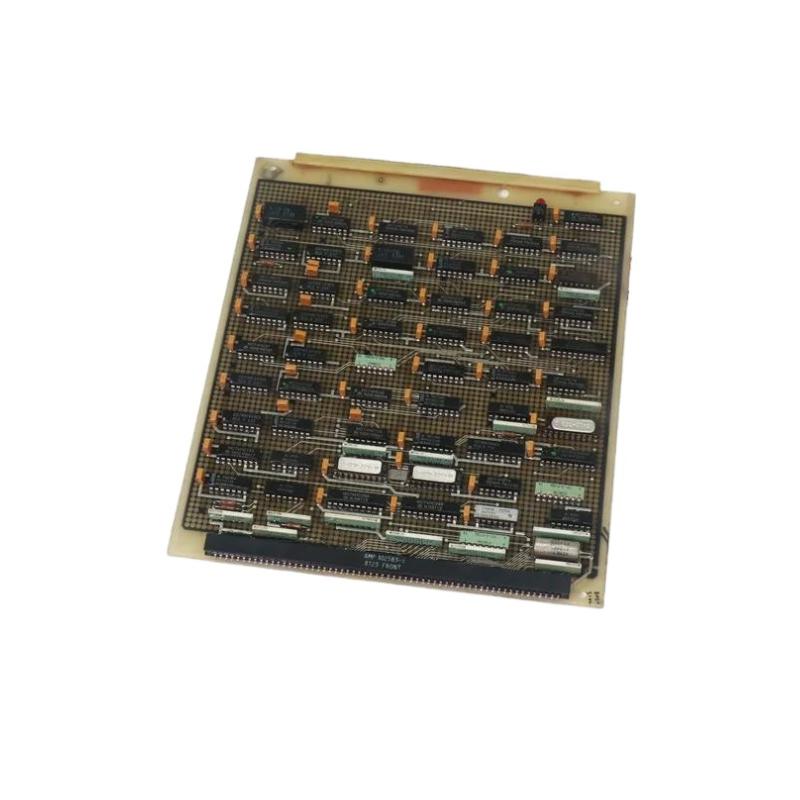
The Woodward 5462-916 I/O Module is a versatile input/output interface designed to bridge digital and analog field signals with industrial control systems. Built for rugged automation environments, this module provides dependable signal conditioning, scalable connectivity, and electrical protection, enabling seamless integration between sensors, actuators, and controllers. It’s well-suited for applications in power generation, turbine control, process automation, and machinery systems where robust I/O handling is critical for reliable system performance.
With a modular form factor and industrial-ready construction, the 5462-916 simplifies panel wiring while offering responsive signal interfacing that supports reliable decision-making by control logic.
Technical Specifications
| Parameter | Specification |
|---|
| Model | 5462-916 |
| Module Type | I/O Module (Input/Output Interface) |
| Manufacturer | Woodward |
| I/O Types Supported | Digital inputs, digital outputs, and/or analog I/O (system configuration dependent) |
| Logic Interface | Industrial logic levels (e.g., 24 VDC for discrete I/O) |
| Isolation | Galvanic isolation between field I/O and controller logic |
| Protection | Transient suppression and noise filtering on I/O lines |
| Mounting | Panel, DIN-rail, or chassis mounting options (application dependent) |
| Operating Temperature | Industrial operating temperature range |
| Environmental Resistance | Vibration and electrical noise resistant |
Applications
The 5462-916 I/O Module is widely used in systems where reliable interfacing between field devices and control logic is critical:
-
Distributed control systems in manufacturing and process automation
-
PLC and controller I/O expansion for digital and analog signals
-
Turbine and generator control and monitoring systems
-
Power plant automation and protection loops
-
Analog process variable acquisition and control
-
Digital status and event monitoring from sensors and switches
By consolidating diverse signal types into a structured interface, the 5462-916 helps streamline system wiring and enhances overall control responsiveness.
Advantages
Flexible I/O Support
Handles a mix of digital and analog signals (depending on system configuration), reducing the need for separate dedicated modules.
Electrical Isolation
Galvanic isolation protects controller logic from electrical noise and transient disturbances originating from field wiring.
Industrial-Ready Durability
Designed to withstand vibration, temperature variation, and electrical interference typical of heavy-duty automation environments.
Simplified Wiring and Installation
Panel, DIN-rail, or chassis mounting allows flexible deployment in factory control cabinets or field enclosures.
Reliable Signal Conditioning
Noise filtering and protection mechanisms ensure stable signal transmission even in electrically noisy settings.
The 5462-916 provides a dependable platform for I/O interfacing that supports scalability and system robustness.
Technical FAQs
1. What is the primary function of the 5462-916?
It interfaces field I/O signals with control logic, handling both digital and analog data where applicable.
2. Does the module provide electrical isolation?
Yes — galvanic isolation protects logic circuitry from noise and transients.
3. What types of signals can it handle?
Digital inputs, digital outputs, and in some configurations analog inputs and outputs.
4. Is this module suitable for harsh environments?
Yes — built to tolerate vibration, temperature swings, and electrical noise.
5. How is it installed?
Via panel, DIN-rail, or chassis mounting depending on system layout.
6. Can it interface directly with PLCs?
Yes — it is compatible with standard industrial control systems.
7. What voltage levels does it support for discrete I/O?
Typically designed for 24 VDC industrial logic levels.
8. Does it include transient suppression?
Yes — protection and filtering are included to enhance signal reliability.
9. Is the module field-replaceable?
Yes — designed for easy maintenance and replacement.
10. Can it be used for both control and monitoring signals?
Yes — it supports signal paths suitable for both actuation and status sensing.
 A DCS Q Co., Ltd. - PLC and DCS Industrial Control Equipment Wholesale