Introduction
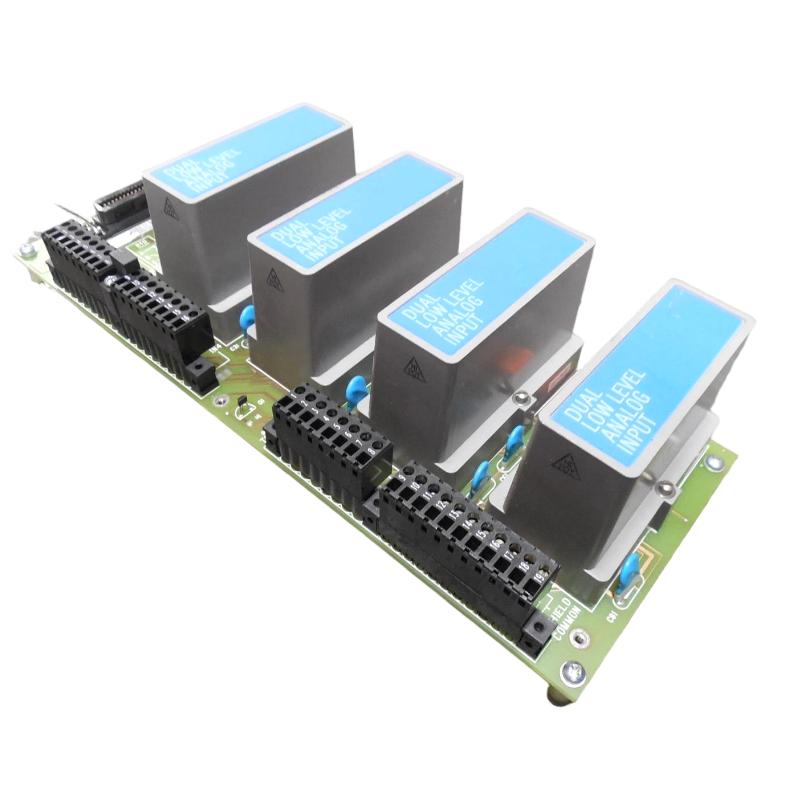
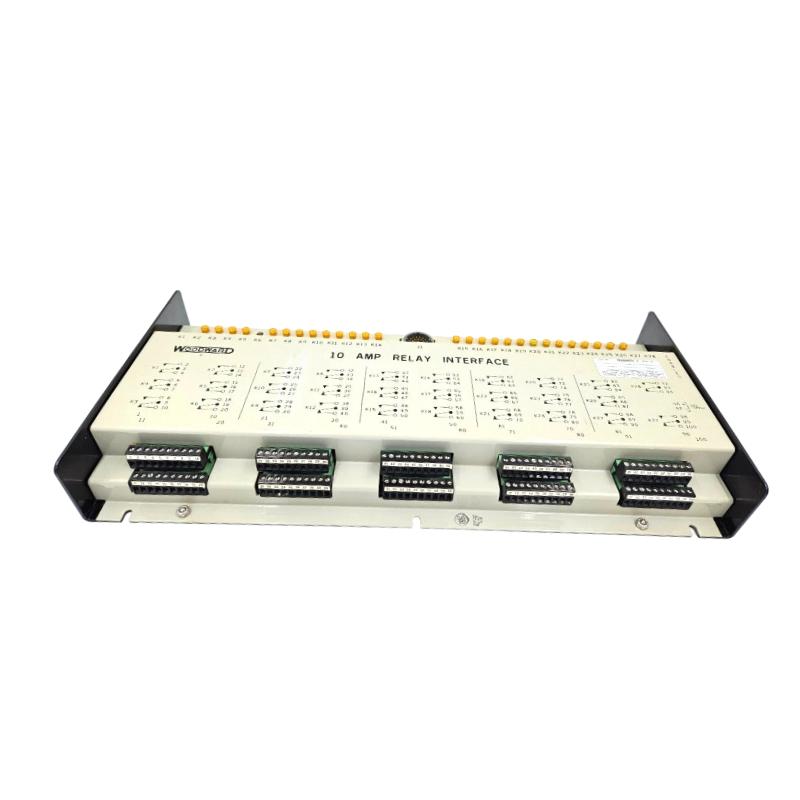
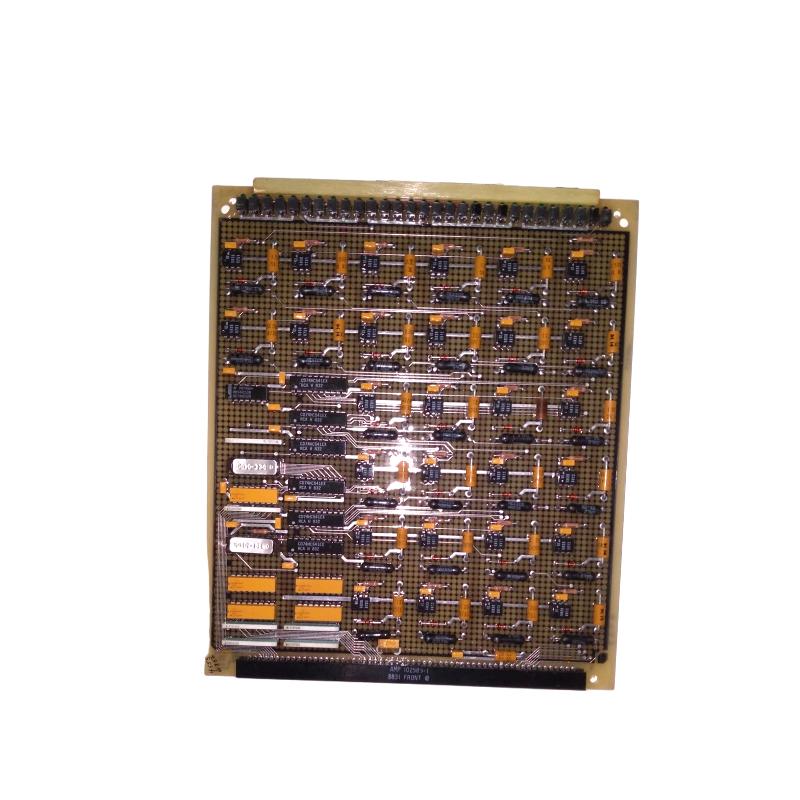
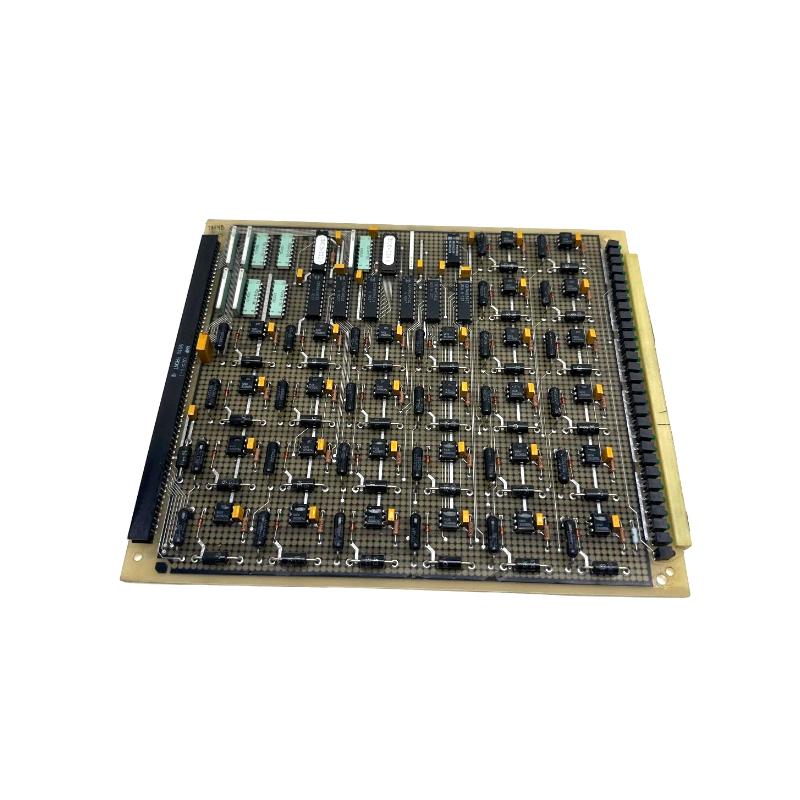
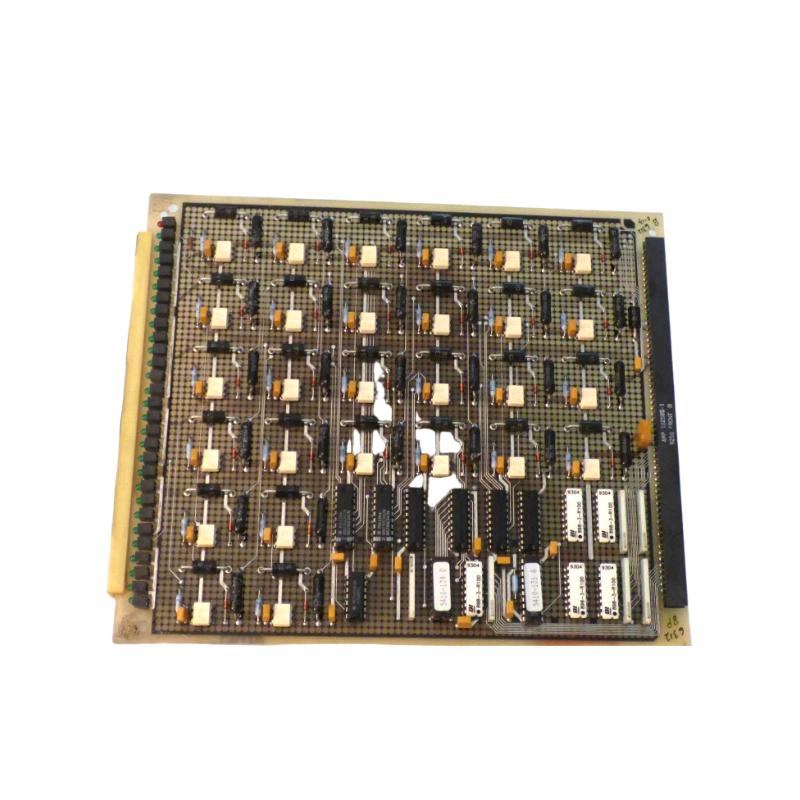
The Woodward 5462‑757 28‑Channel Discrete Input Module is a high‑density digital input interface designed to bring multiple discrete field signals into industrial control systems with precision and reliability. Built for rugged automation environments, this module supports up to 28 independent input channels, allowing efficient aggregation of digital status, switch, and sensor signals for processing by controllers such as PLCs or distributed control units.
Engineered to meet the demands of power generation, turbine control, process automation, and machinery systems, the 5462‑757 ensures dependable signal acquisition with noise immunity and electrical protection. Its modular form factor and broad industrial compatibility make it ideal for both new installations and retrofit expansions of control architectures.
Technical Specifications
| Parameter | Specification |
|---|
| Model | 5462‑757 |
| Module Type | Discrete Input Module |
| Manufacturer | Woodward |
| Number of Channels | 28 digital input channels |
| Input Type | Sourcing or sinking (configuration dependent) |
| Logic Voltage | Compatible with standard industrial logic levels (e.g., 24 VDC) |
| Input Protection | Transient suppression and noise filtering |
| Isolation | Electrical isolation of input circuitry |
| Mounting | Panel, DIN‑rail, or chassis mount (platform specific) |
| Operating Temperature | Industrial‑rated range (typically –20°C to +70°C) |
| Environmental Tolerance | Built for vibration and electrical noise conditions |
Applications
This discrete input module is versatile across a wide range of automation contexts:
-
Machine safety and interlock detection – capturing emergency stop and guard status
-
Process signal acquisition – monitoring level, pressure, and limit switches
-
Turbine and generator control systems – collecting state feedback for governor and protection logic
-
Distributed I/O systems – bulk signal aggregation for PLCs and controllers
-
Production line status monitoring – reading sensor and limit switch states
-
Building automation digital sensing – capturing on/off input conditions
By consolidating many digital signals into a structured module, the 5462‑757 reduces wiring complexity and enhances system responsiveness.
Advantages
High Channel Count
With 28 independent inputs, this module minimizes the footprint required to handle numerous field signals.
Reliable Signal Conditioning
Noise filtering and input protection improve signal integrity even in electrically noisy environments.
Electrical Isolation
Input domains are isolated from control logic to reduce risk of ground loops and transient spikes.
Industrial Durability
Designed to withstand vibration, temperature fluctuations, and continuous duty in heavy‑duty factories.
Flexible Integration
Supports standard industrial control voltages and interfaces easily with PLCs and controllers.
The 5462‑757 delivers dependable digital signal acquisition that supports responsive and safe control logic execution.
Technical FAQs
1. How many discrete inputs does this module support?
It supports 28 independent digital input channels.
2. What voltage levels are accepted?
Typically compatible with 24 VDC industrial logic levels.
3. Are the inputs protected?
Yes — each channel includes transient suppression and noise filtering protection.
4. Is electrical isolation provided?
Yes — isolation helps protect control circuitry and improve noise immunity.
5. What environments is this module suitable for?
Harsh industrial environments with vibration and electrical noise.
6. Can it be mounted in different orientations?
Yes — panel, DIN‑rail, or chassis mounting is possible depending on platform design.
7. What kinds of signals can it detect?
Digital switch closures, sensor logic outputs, and discrete state changes.
8. Is this module compatible with PLCs?
Yes — designed to interface directly with PLC and controller input networks.
9. Does it support hot‑swapping?
Hot‑swap support depends on the overall control system architecture.
10. Is this module suitable for safety‑critical systems?
When employed with appropriate control logic and safety architecture, it supports robust signal acquisition.
 A DCS Q Co., Ltd. - PLC and DCS Industrial Control Equipment Wholesale