Introduction
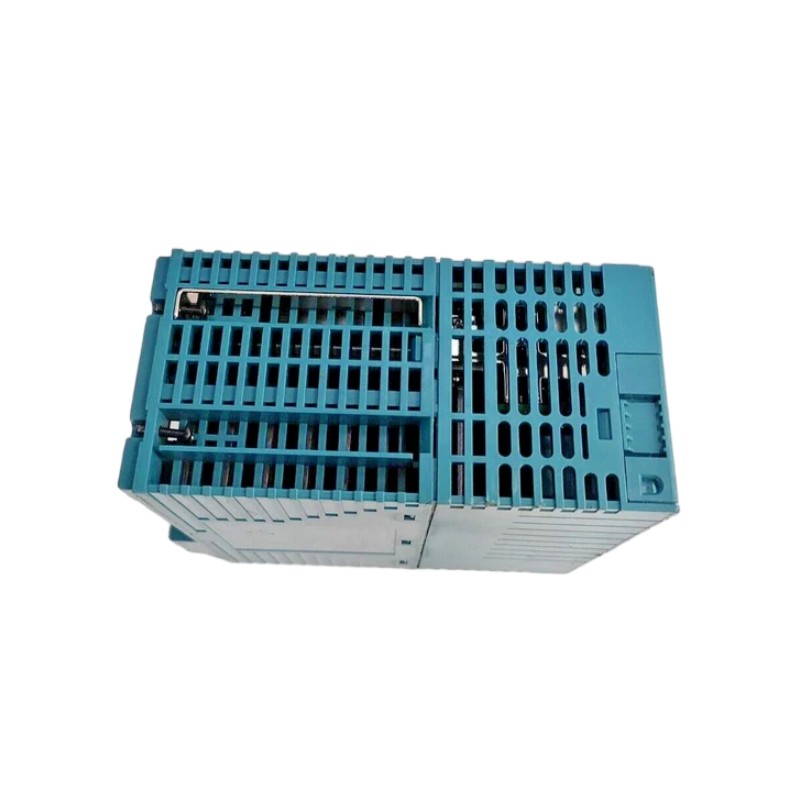
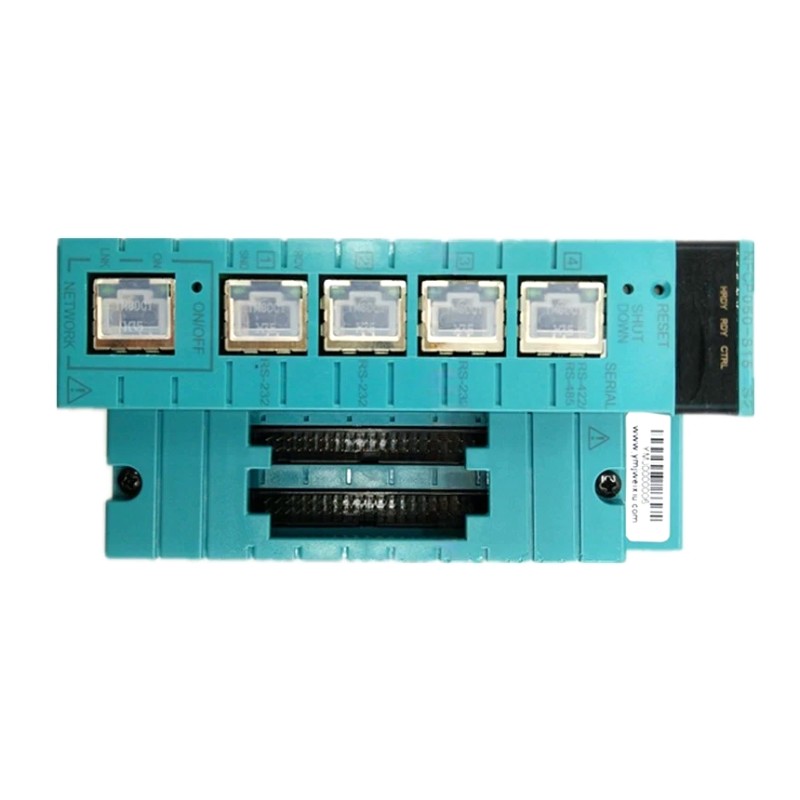
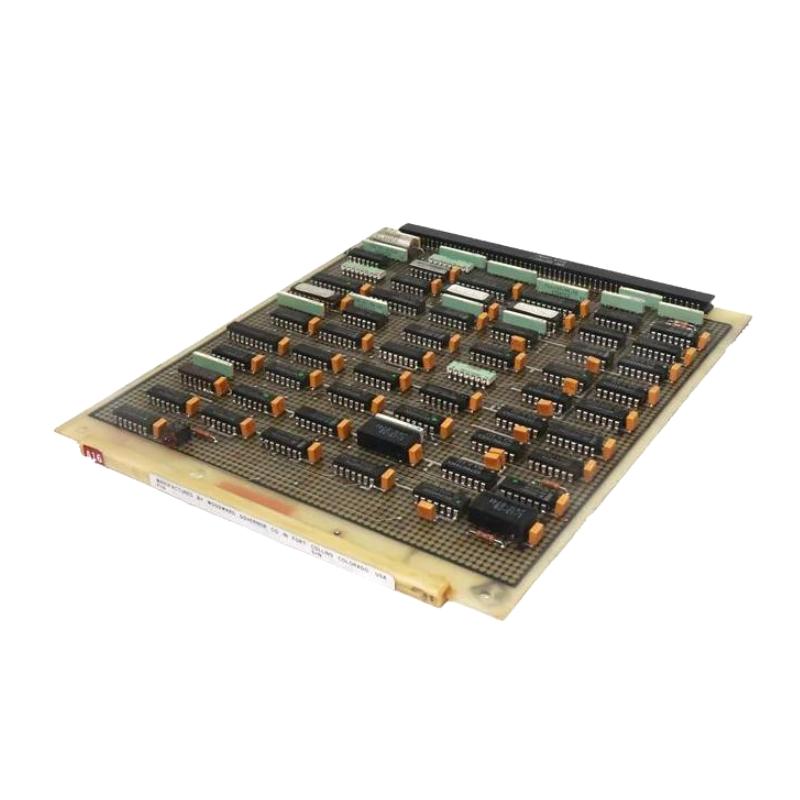
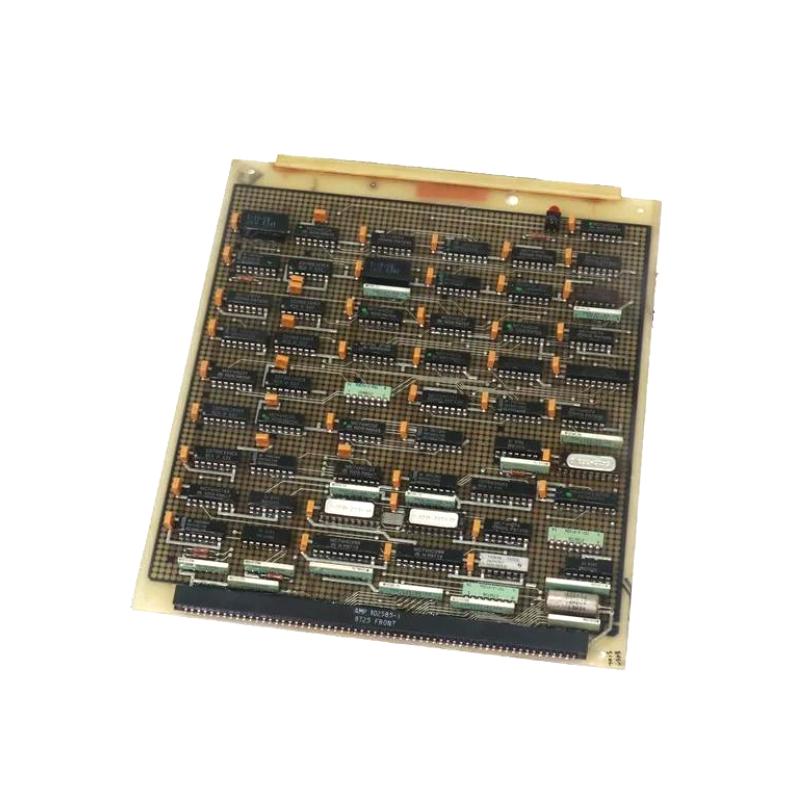
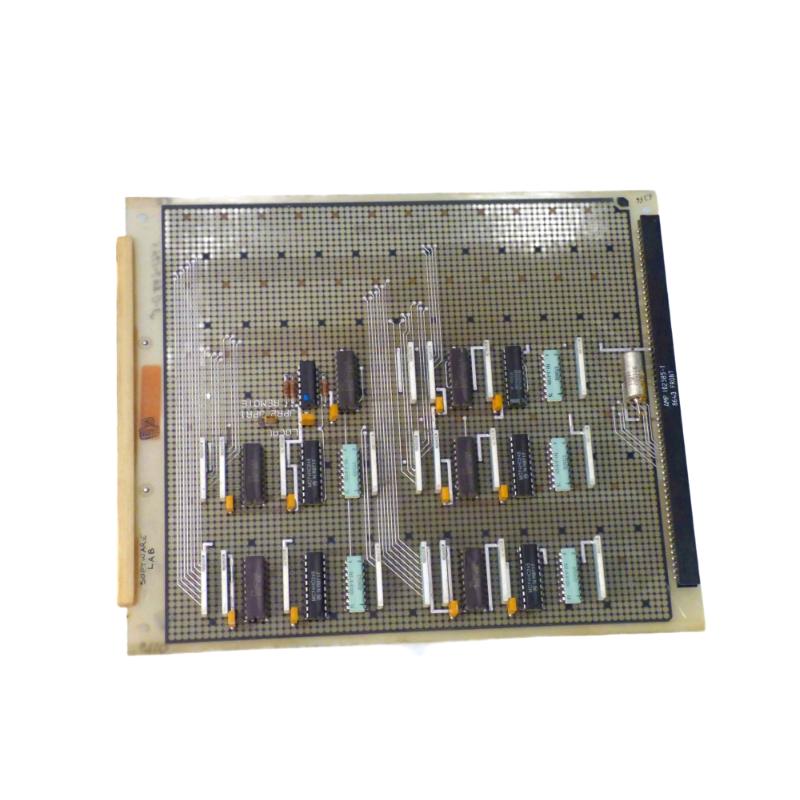
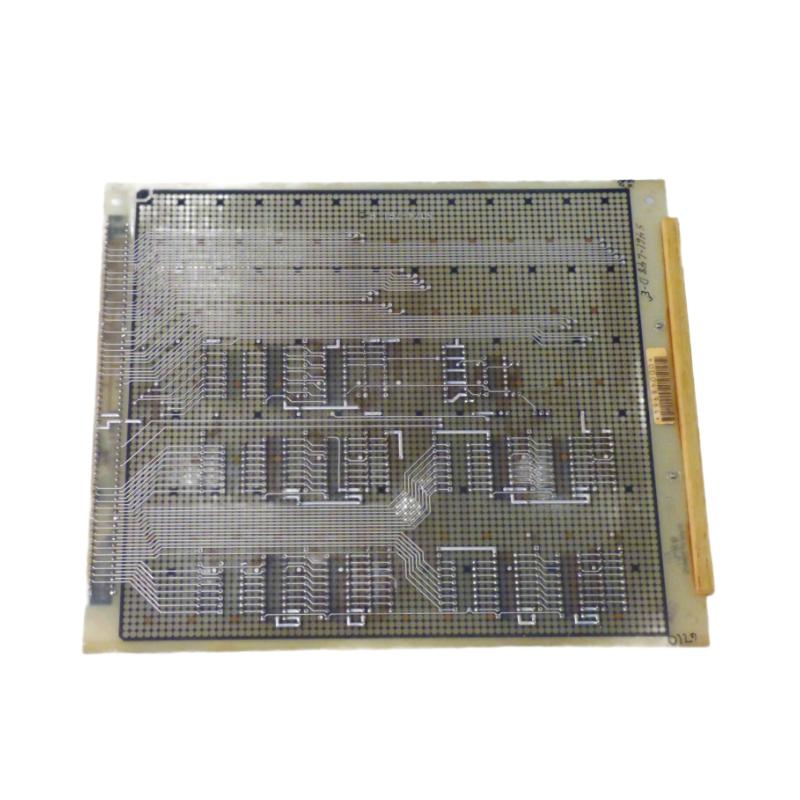
The Woodward 5461‑648 Transceiver Module is an industrial communication interface designed to enable reliable data exchange between control system devices and field I/O networks. Engineered for robust performance in demanding environments, it provides stable signal transmission through galvanic isolation and noise‑immune design techniques. This module plays a key role in facilitating communication between controllers, distributed I/O, and peripheral equipment in complex automation systems, especially where signal integrity and system uptime are paramount.
Built to integrate seamlessly with Woodward control platforms, the 5461‑648 supports high‑performance system communication and promotes synchronous data flow across industrial networks. Its rugged construction and consistent signal handling make it a trusted choice for process automation, power systems, and machinery control applications.
Technical Specifications
| Parameter | Specification |
|---|
| Model | 5461‑648 |
| Module Type | Transceiver Module |
| Manufacturer | Woodward |
| Communication | Bidirectional data interface |
| Isolation | Galvanic isolation between logic domains |
| Signal Standard | Industrial logic levels (e.g., differential / single‑ended variants) |
| Typical Use | Controller ↔ peripheral communication link |
| Mounting | DIN‑rail or panel installation |
| Operating Temperature | Industrial‑rated range |
| Environmental Protection | Suitable for industrial conditions |
Applications
The 5461‑648 Transceiver Module is ideal for use in:
-
Distributed control systems requiring reliable data exchange
-
PLC or controller communication extension
-
Field device interface networks
-
Power and process automation communication backbones
-
Signal coupling between isolated networks
-
Remote sensor and actuator data interfacing
This module enhances network robustness by maintaining consistent communication even in electrically noisy environments.
Advantages
Stable Communication Integrity
Galvanic isolation and noise immunity help maintain clean data signals across variable industrial conditions.
Flexible Integration
Supports bidirectional communication between compatible automation components.
Rugged Industrial Construction
Built to withstand vibration, temperature fluctuations, and continuous duty.
Easy Installation
Panel or DIN‑rail mounting simplifies system layout and wiring.
Improved Network Reliability
Reduces communication errors and network disruptions, safeguarding control logic execution.
The 5461‑648 offers dependable performance for industrial signaling and data transmission needs.
Technical FAQs
1. What is the primary function of the 5461‑648?
It serves as a communication transceiver to facilitate bidirectional data flow between control and peripheral devices.
2. Does it provide electrical isolation?
Yes; galvanic isolation helps protect logic domains from electrical interference.
3. What types of systems is it used with?
Typically industrial control systems, PLC networks, and distributed I/O.
4. Can it operate in noisy environments?
Yes; designed for noise immunity and stable signal transmission.
5. How is it mounted?
Panel or DIN‑rail installation is supported.
6. Is it compatible with field devices?
Yes, when interfacing logic or network signals within rated specifications.
7. What communication direction does it support?
Bidirectional communication between control system elements.
8. Does it improve network robustness?
Yes; it stabilizes communication and reduces errors caused by electrical noise.
9. Is it suited for continuous operation?
Yes; engineered for continuous industrial duty.
10. What kinds of signals can it handle?
Logic and data signals per supported communication standards, typically compatible with Woodward control platforms.
 A DCS Q Co., Ltd. - PLC and DCS Industrial Control Equipment Wholesale