Product Insight
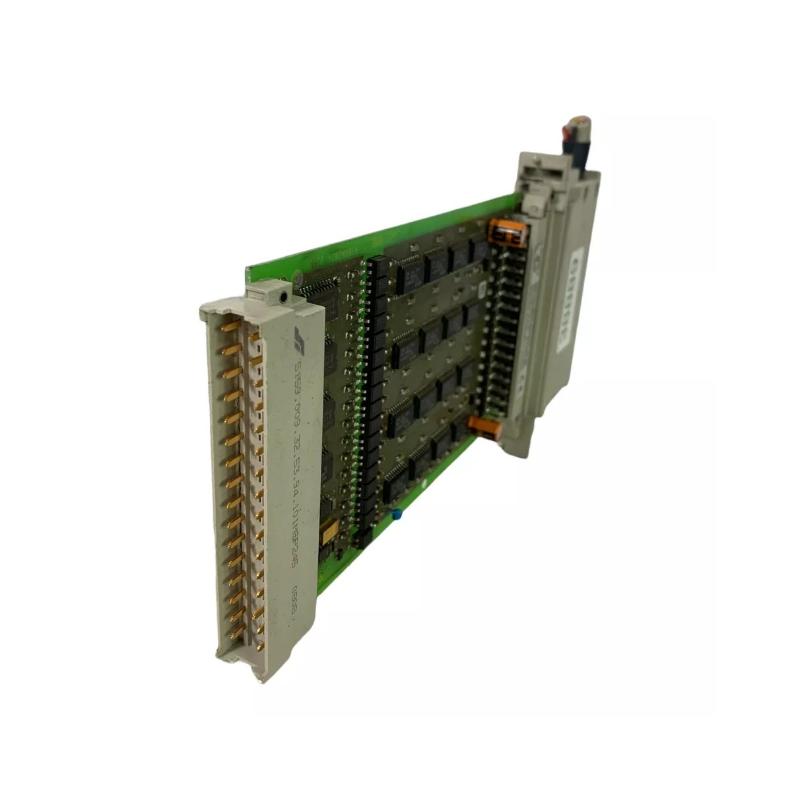
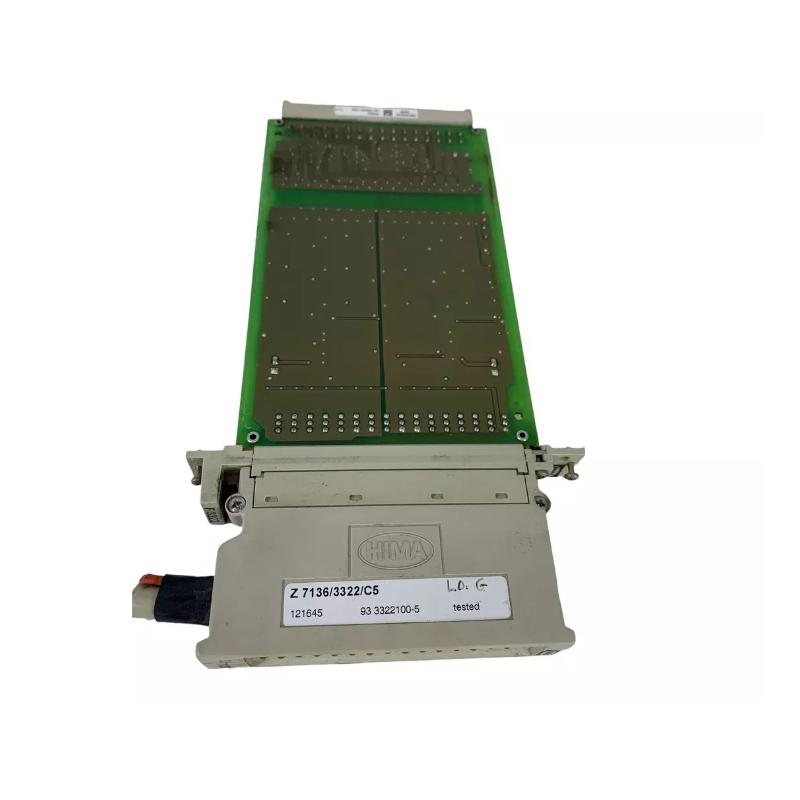
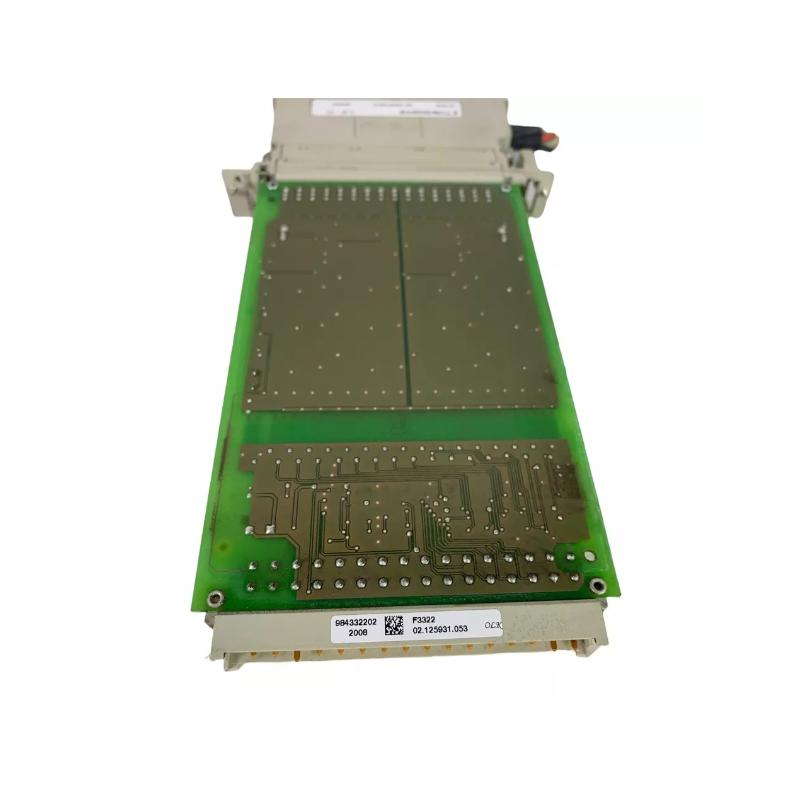
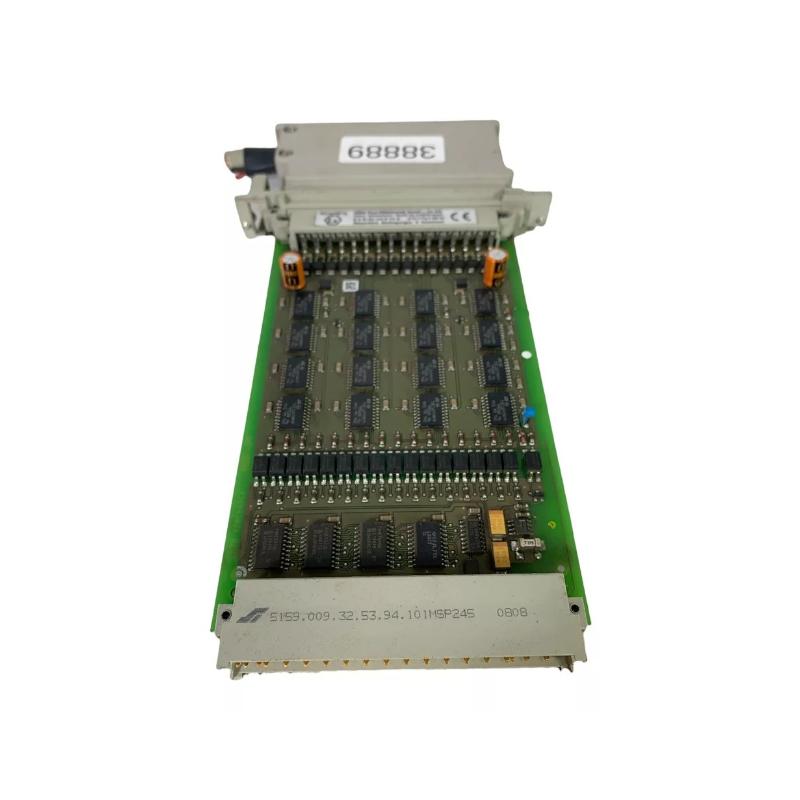
The Z7136 Digital Output Module is engineered for high-integrity safety systems where precision, stability, and certified reliability are mandatory. As part of HIMA’s trusted safety automation portfolio, this module is purpose-built for Safety Instrumented Systems (SIS) requiring dependable discrete output control.
Designed for demanding industrial sectors such as oil & gas, petrochemical processing, and power generation, the Z7136 combines compact mechanical design with robust electrical protection. It delivers consistent performance under harsh environmental conditions while maintaining the safety standards required in mission-critical installations.
Technical Specifications
| Parameter | Specification |
|---|
| Model | Z7136 |
| Module Type | Safety Digital Output Module |
| Safety Integrity Level | SIL 3 (IEC 61508 compliant) |
| Output Channels | 16 Digital Outputs |
| Rated Output Voltage | 24 V DC |
| Max. Output Current | 2 A per channel |
| Output Type | Short-circuit protected transistor outputs |
| Diagnostics | Channel-level fault monitoring |
| Operating Temperature | –40°C to +70°C |
| Mounting | System rack installation |
| Protection Features | Overload and short-circuit protection |
| Dimensions (H × W × D) | Approx. 100 × 100 × 50 mm |
| Weight | Approx. 0.6 kgTechnical FAQs
1. What safety level is the Z7136 rated for?
It is certified for SIL 3 applications under IEC 61508.
2. How many outputs are available?
The module provides 16 digital output channels.
3. What voltage does it operate at?
Standard 24 V DC output.
4. Is each channel protected?
Yes, each channel includes overload and short-circuit protection.
5. Can it be used in redundant systems?
Yes, it is suitable for redundant safety architectures.
6. What type of loads can it drive?
Relays, solenoids, safety valves, and other 24 V DC field devices.
7. What is the maximum operating temperature?
Up to +70°C.
8. Does the module provide fault diagnostics?
Yes, channel-level diagnostics are integrated.
9. Is it suitable for hazardous areas?
When installed within certified safety systems and appropriate enclosures, it is suitable for hazardous process environments.
10. What is the typical service life?
Designed for long-term industrial operation under continuous duty conditions. |
Industrial Applications
The Z7136 is widely deployed in high-demand safety environments, including:
-
Emergency Shutdown Systems (ESD)
-
Burner Management Systems (BMS)
-
High-Integrity Pressure Protection Systems (HIPPS)
-
Turbine control safety loops
-
Refinery process shutdown logic
-
Critical alarm and actuator control circuits
Its ability to drive valves, relays, and safety actuators with deterministic response makes it ideal for systems where failure is not an option.
Key Advantages
Certified Functional Safety
SIL 3 compliance ensures alignment with stringent international safety standards.
High Channel Density
Sixteen protected output channels within a compact footprint reduce panel space requirements.
Integrated Diagnostics
Per-channel monitoring enhances transparency and simplifies maintenance planning.
Wide Temperature Tolerance
Engineered to perform in extreme industrial climates.
Long Lifecycle Reliability
Designed for continuous operation in 24/7 industrial safety environments.
This module supports system designers seeking uncompromising safety performance with scalable architecture flexibility.
Technical FAQs
1. What safety level is the Z7136 rated for?
It is certified for SIL 3 applications under IEC 61508.
2. How many outputs are available?
The module provides 16 digital output channels.
3. What voltage does it operate at?
Standard 24 V DC output.
4. Is each channel protected?
Yes, each channel includes overload and short-circuit protection.
5. Can it be used in redundant systems?
Yes, it is suitable for redundant safety architectures.
6. What type of loads can it drive?
Relays, solenoids, safety valves, and other 24 V DC field devices.
7. What is the maximum operating temperature?
Up to +70°C.
8. Does the module provide fault diagnostics?
Yes, channel-level diagnostics are integrated.
9. Is it suitable for hazardous areas?
When installed within certified safety systems and appropriate enclosures, it is suitable for hazardous process environments.
10. What is the typical service life?
Designed for long-term industrial operation under continuous duty conditions.
 A DCS Q Co., Ltd. - PLC and DCS Industrial Control Equipment Wholesale