Product Perspective
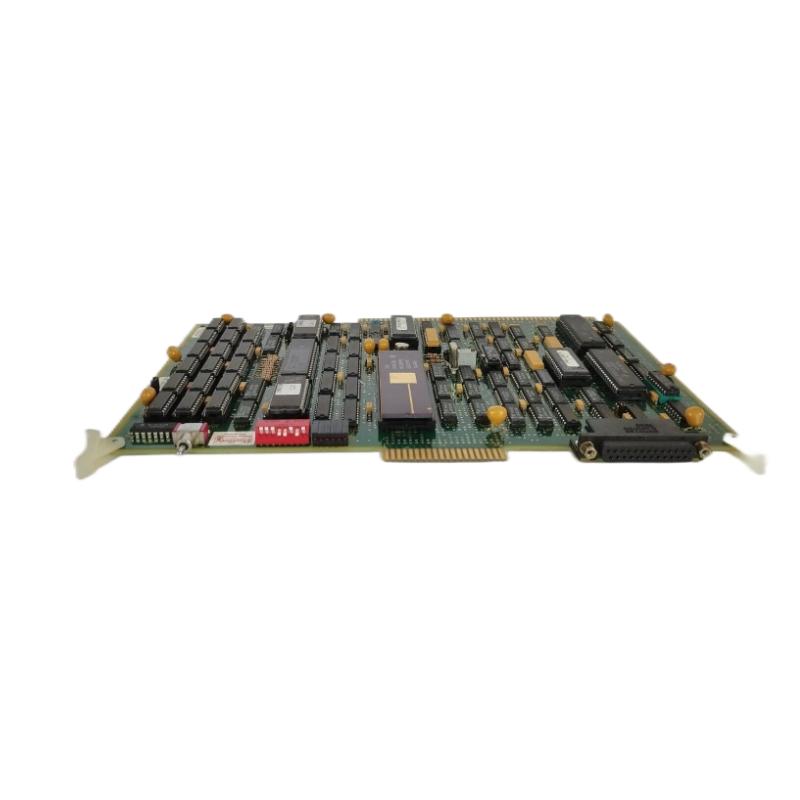
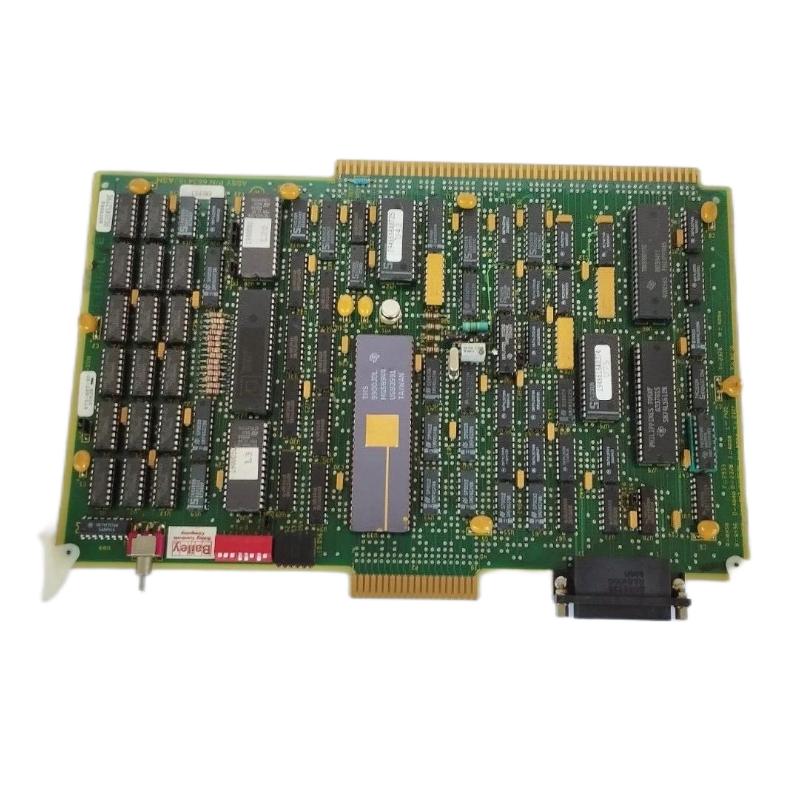
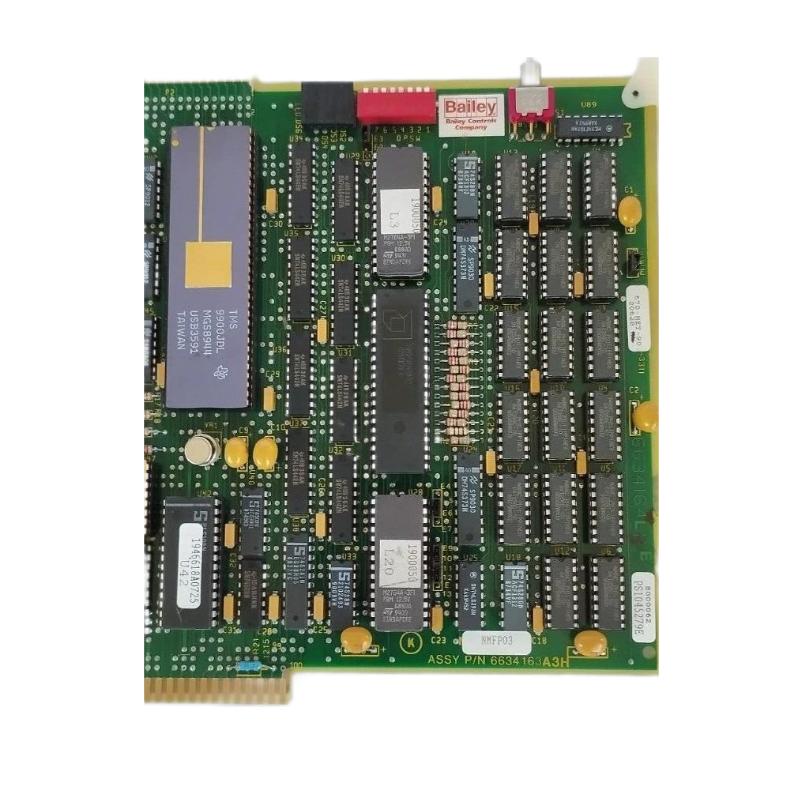
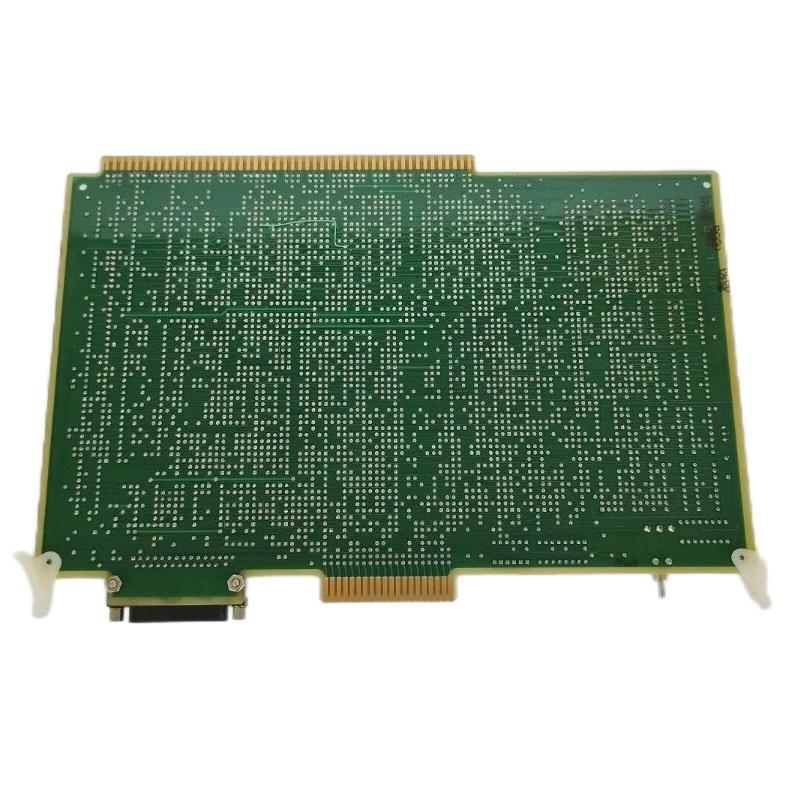
The ABB Bailey NMFP03 Multifunction Processor Module (6634163A3H) functions as a powerful processing unit within the Net 90 distributed control environment. Acting as the logical execution center, it manages control strategies, communication handling, and real-time data processing across plant systems.
Purpose-built for stability and operational continuity, this processor module supports complex automation tasks while maintaining efficient system coordination in demanding industrial settings.
Technical Specifications
| Parameter | Specification |
|---|
| Module Type | Multifunction Processor Module |
| Processor | 32-bit Microprocessor |
| Processing Speed | 32 MHz |
| Memory Capacity | Up to 8 MB |
| Power Requirement | +5 VDC |
| Power Consumption | Approx. 10 W |
| Communication Support | System Bus Integration |
| System Compatibility | Net 90 Distributed Control System |
| Installation | Standard Rack Mount |
Industrial Applications
The NMFP03 is widely deployed in automation systems where dependable control processing is essential:
-
Power generation facilities
-
Oil & gas processing plants
-
Chemical manufacturing environments
-
Water and wastewater systems
-
Industrial production lines
-
Distributed process control infrastructures
Its role in executing control logic makes it a key component in maintaining operational consistency and process efficiency.
Performance Highlights
-
High-speed processing for real-time control execution
-
Supports advanced programmable control strategies
-
Enables efficient system communication management
-
Compact design supports space-efficient installations
-
Enhances system scalability and expansion capability
-
Built for long-term performance in industrial environments
This module combines computational strength with reliability, helping ensure smooth plant operations.
Technical FAQs
1. What is the primary function of the NMFP03?
It executes control logic and manages communication tasks.
2. Which systems support this module?
It is designed for Net 90 distributed control systems.
3. What type of processor is used?
A 32-bit microprocessor.
4. Does it support programmable operations?
Yes, it supports configurable control strategies.
5. Is it suitable for process industries?
Yes, it is widely used in power, chemical, and oil sectors.
6. How is the module installed?
It is rack-mounted within the system enclosure.
7. What power input is required?
It operates on +5 VDC.
8. Can it manage communication functions?
Yes, it supports system-level communication tasks.
9. What role does it play in automation?
It processes operational data and executes control logic.
10. Is it suitable for critical operations?
Yes, it is built for continuous industrial performance.
 A DCS Q Co., Ltd. - PLC and DCS Industrial Control Equipment Wholesale