Applications
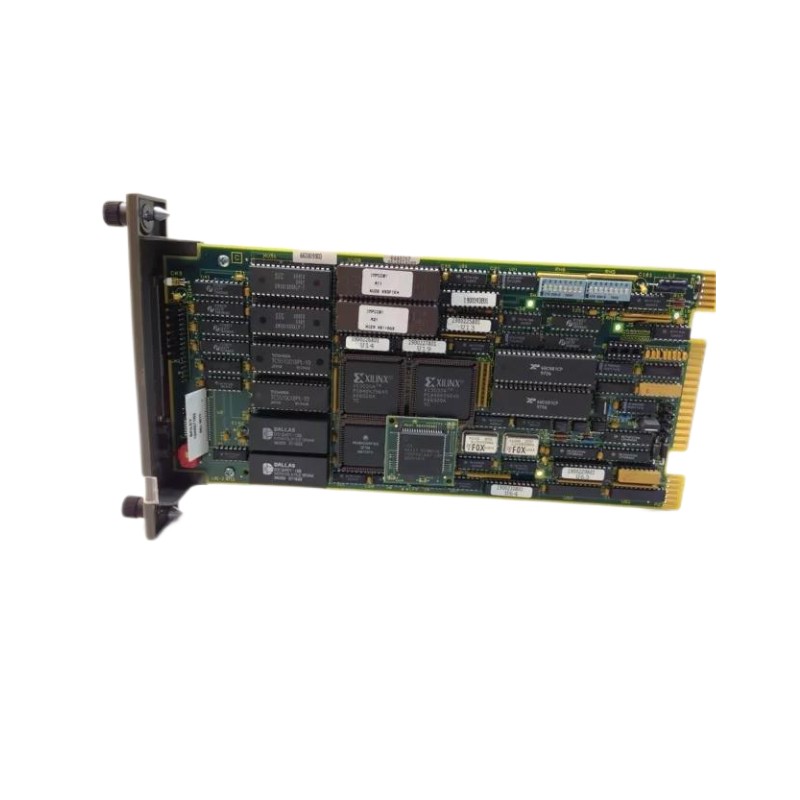
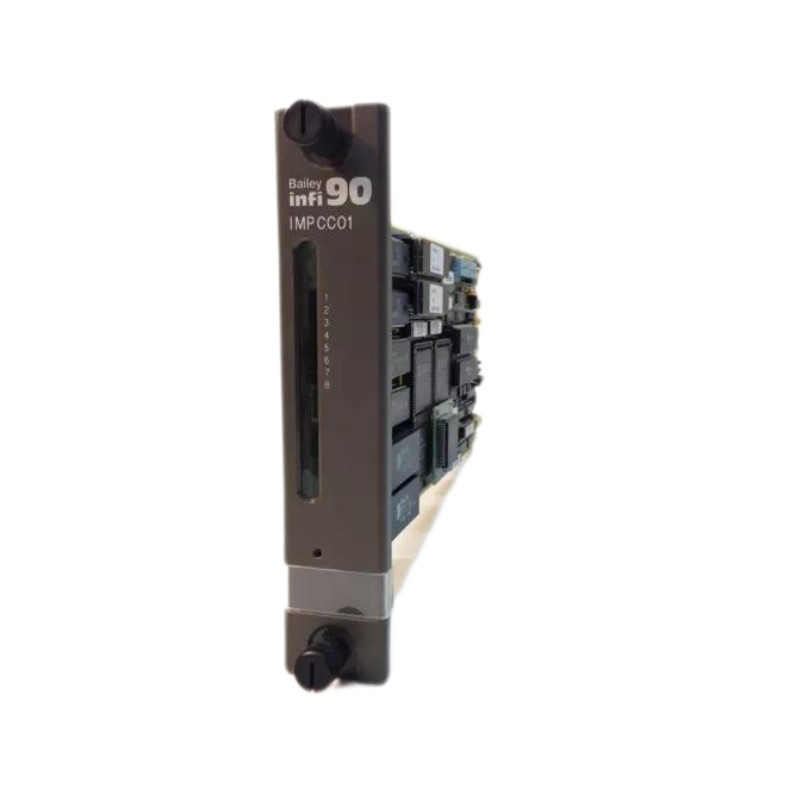
This coupler is built for a broad range of industrial control scenarios where interoperability between PLCs and distributed control systems is essential:
-
Integration of Allen‑Bradley PLCs with INFI‑90 DCS environments
-
Serial data exchange in oil & gas processing systems
-
Manufacturing automation requiring synchronized PLC and DCS logic
-
Power generation plants with mixed automation hardware fleets
-
Refineries and chemical plants with legacy control equipment
In each case, the IMPCC01 helps bridge legacy equipment with modern control frameworks, reducing migration complexity.
Advantages
The IMPCC01 excels in industrial communication environments thanks to a combination of durability and functional precision:
-
Protocol Flexibility: Supports widely used serial communication standards like DF1 and Modbus RTU.
-
Optical Isolation: Enhances noise immunity and protects against electrical transients.
-
Data Integrity: Efficiently manages two‑way data transfers with predictable throughput.
-
Compact Build: Designed to occupy minimal rack space without sacrificing ruggedness.
-
Seamless Integration: Plugs directly into existing INFI‑90 coupler slots or communication bays.
This blend of attributes makes the IMPCC01 a compelling choice for projects requiring robust, long‑term communications performance.
Technical FAQs
-
What is the core purpose of the IMPCC01 module?
It acts as a communication bridge between PLCs and the ABB Bailey INFI‑90 DCS platform.
-
Which communication method does it use?
The module communicates via an isolated RS‑232 serial interface.
-
Which protocols are supported?
Standard industrial protocols such as Allen‑Bradley DF1 and Modbus RTU are supported.
-
Is this coupler suitable for modern PLCs?
Yes, provided the PLC supports DF1 or Modbus RTU communications.
-
How much data can it transfer per cycle?
Up to 200 bytes in each direction per communication interval.
-
Can it be used in harsh industrial environments?
Yes, it’s designed for rugged use typical in automation frameworks.
-
Does the IMPCC01 require special drivers?
Configuration depends on the host system and communication software; standard serial settings are typically used.
-
Can multiple PLCs be connected concurrently?
It’s primarily designed for one PLC connection per module instance.
-
Is redundancy supported?
Redundancy is configuration‑dependent and typically requires system‑level support.
-
Does it support extended cable lengths?
Serial cable length should follow industrial RS‑232 standards and environmental conditions.
 A DCS Q Co., Ltd. - PLC and DCS Industrial Control Equipment Wholesale