Applications
Engineered for systems where control intelligence and safety intersect, the F7531 module plays a pivotal role in:
-
Distributed safety control solutions in petrochemical and refinery plants
-
Automation platforms requiring dependable signal evaluation
-
Redundant safety architectures for power generation and utilities
-
Transportation control logic systems with stringent uptime requirements
-
High‑availability manufacturing process automation
With its resilient structure and predictable behavior, the F7531 supports evolving automation landscapes with unwavering stability.
Advantages
The HIMA F7531 stands out through a blend of practical engineering and application‑ready design:
-
Consistent Signal Integrity: Accurate processing for critical control decisions.
-
Industrial Tolerance: Withstands thermal shifts, humidity, and electrical stress.
-
Rack‑Optimized Footprint: Conserves valuable space in compact controller assemblies.
-
Seamless Integration: Interfaces cleanly with HIMA safety controller platforms.
-
Service‑Friendly Design: Simplifies maintenance through standardized mounting.
These advantages translate into lower lifecycle costs, enhanced uptime, and confidence across demanding operations.
Technical FAQs
-
What purpose does the HIMA F7531 serve?
It processes vital control signals within a safety‑oriented automation system.
-
Which voltage is required for operation?
The module operates on a 24 V DC industrial power supply.
-
Is the F7531 suitable for high‑humidity environments?
Yes, the unit tolerates up to 95 % non‑condensing humidity.
-
Can it function in redundant system designs?
Yes, it is compatible with redundant safety system architectures.
-
What temperature extremes can this module withstand?
Operationally it supports 0 °C to 60 °C, with storage from –25 °C to 85 °C.
-
How does the F7531 mount within a safety rack?
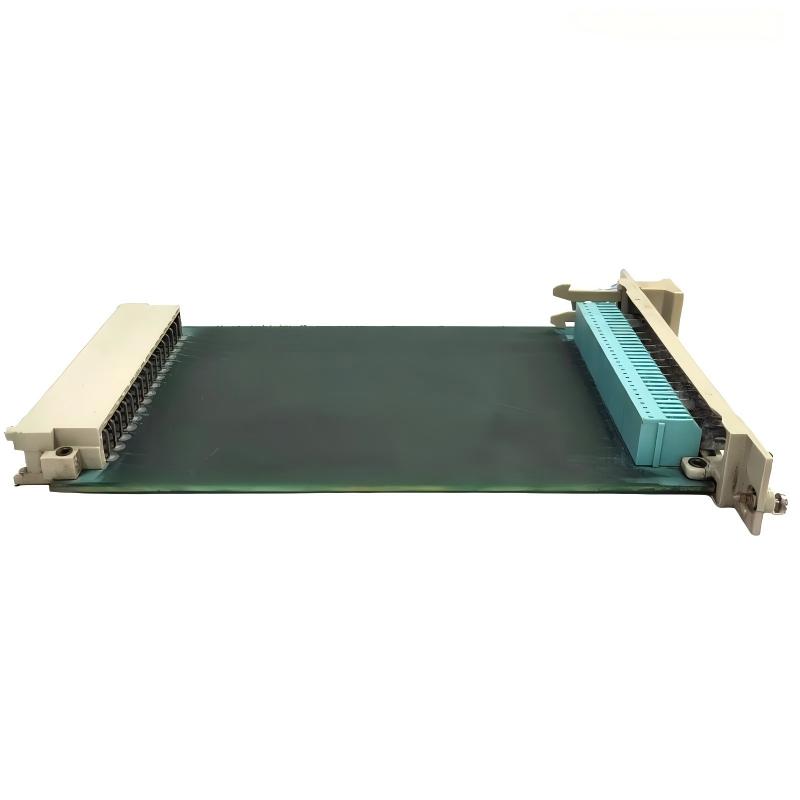
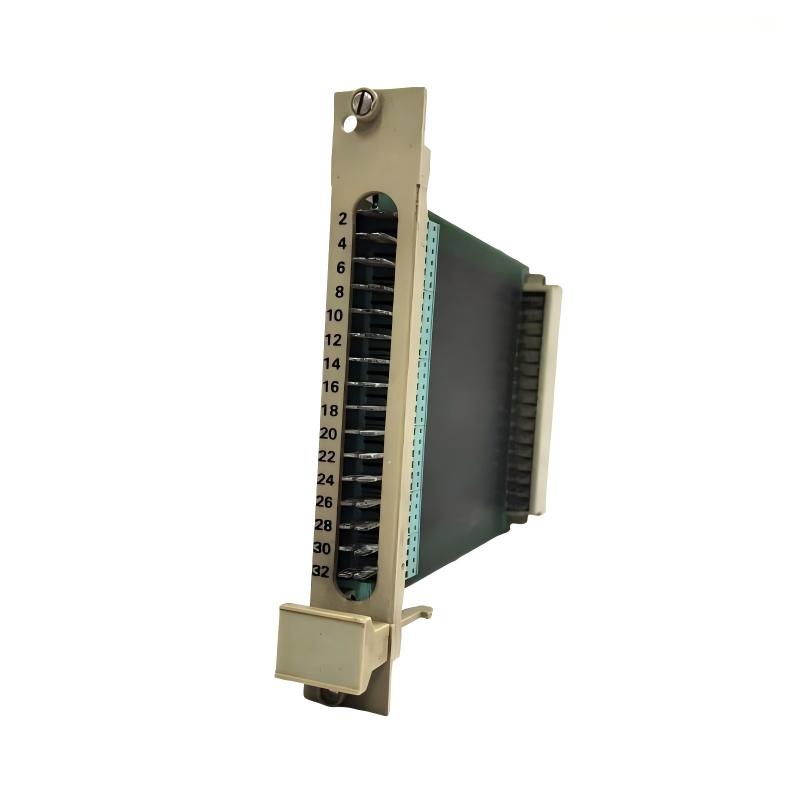
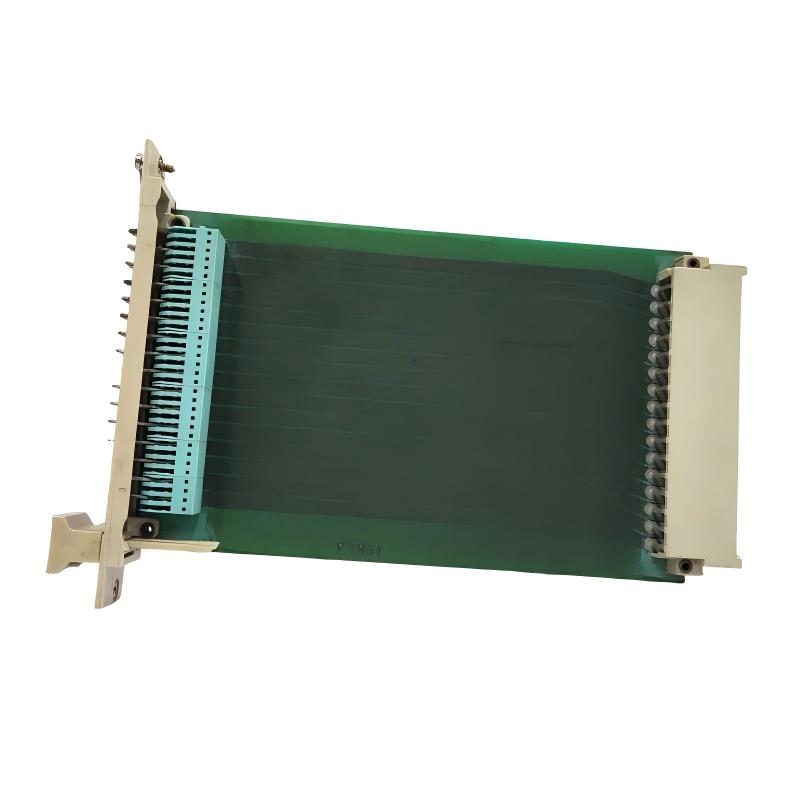
It inserts into the designated backplane slot and locks into place via the rack system.
-
Does the module offer diagnostic feedback?
Yes, integrated diagnostics support system health monitoring.
-
Can the board be replaced during live operation?
Replacement procedures depend on the host system’s design and safety protocols.
-
Is there a defined lifecycle recommendation?
Standard industrial lifecycle and maintenance practices should be followed.
-
Does it support digital and analog I/O?
It primarily focuses on high‑integrity digital control and signal evaluation.
 A DCS Q Co., Ltd. - PLC and DCS Industrial Control Equipment Wholesale