Introduction
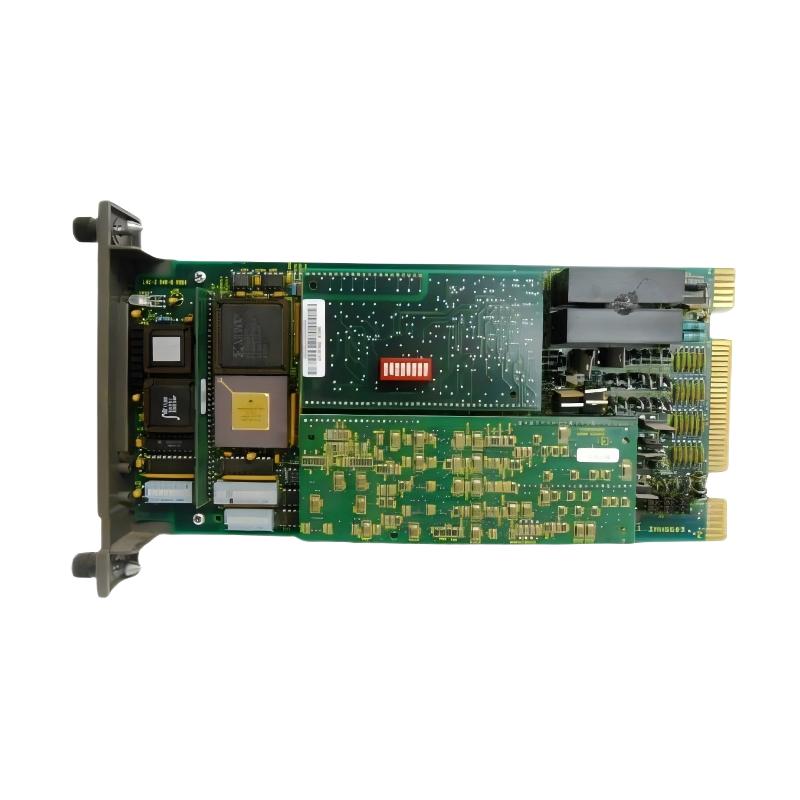
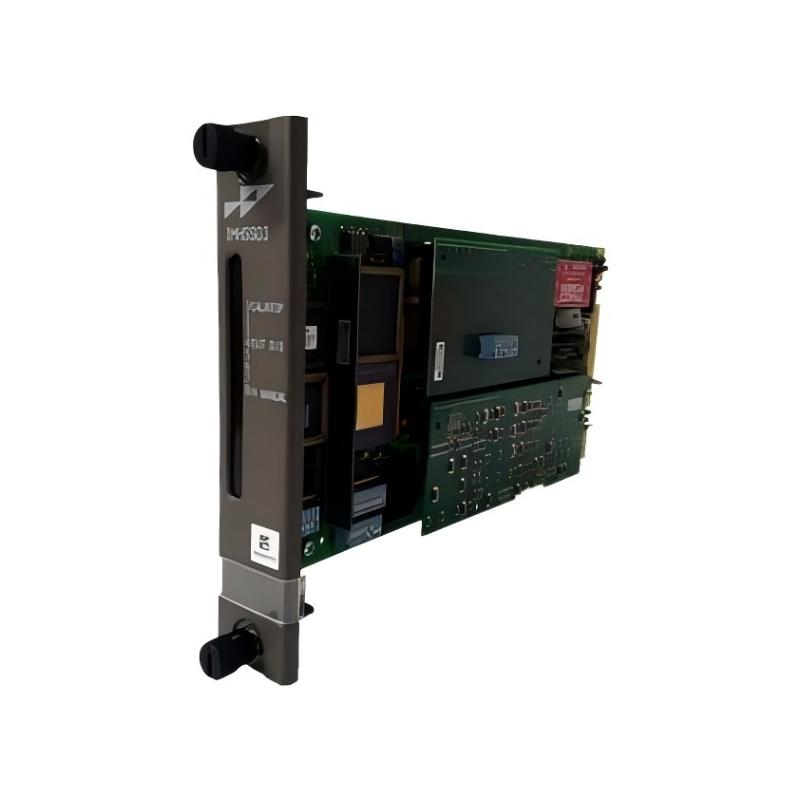
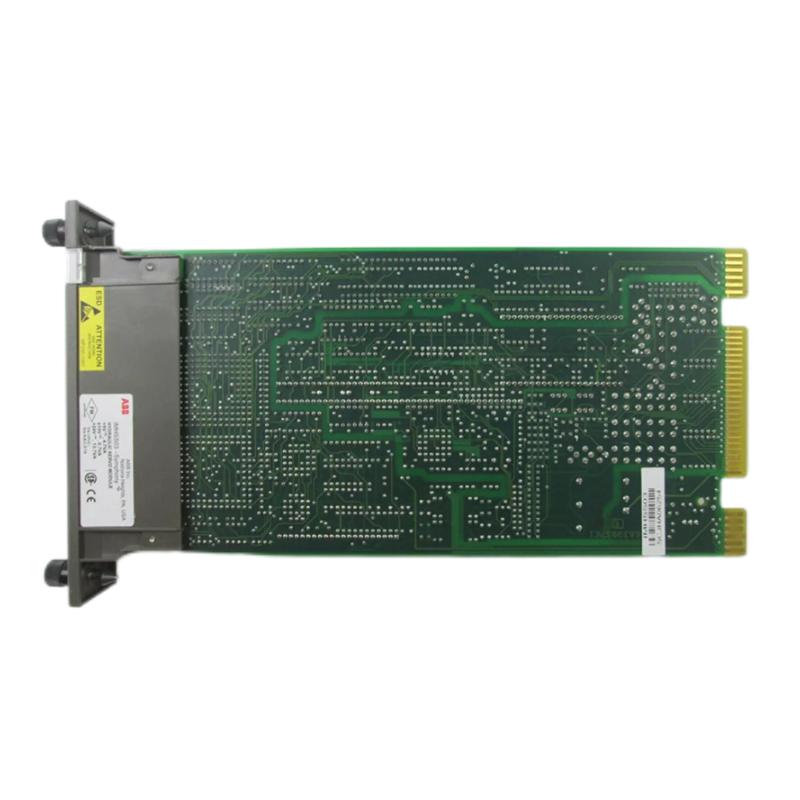
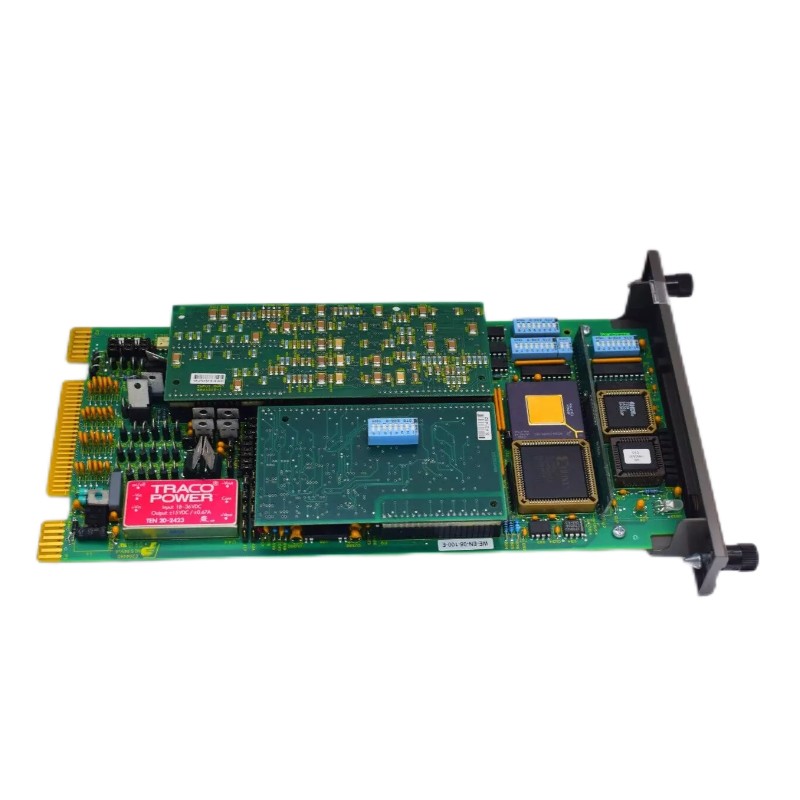
The ABB Bailey IMHSS03 Hydraulic Servo Slave is a precision motion‑control interface module designed to translate digital command signals from a Distributed Control System (DCS) into proportional hydraulic actuation outputs. Engineered for high‑reliability industrial automation, this module enables smooth and accurate control of hydraulic servo systems, making it essential in applications where proportional motion, positioning, and dynamic response are critical.
With robust industrial design and seamless integration into ABB Bailey rack architecture, the IMHSS03 enhances process responsiveness and improves overall system stability. It is ideal for power plants, chemical and petrochemical facilities, and manufacturing environments where hydraulic motion control plays a key role in operational efficiency and safety.
Technical Specifications
| Specification | Details |
|---|
| Model | IMHSS03 |
| Module Type | Hydraulic Servo Slave |
| Function | Digital‑to‑hydraulic proportional control interface |
| Input Interface | Digital command signals from DCS logic |
| Output | Proportional hydraulic control signals |
| Feedback Support | Position and pressure feedback loops supported |
| Communication | Backplane interface to Bailey system rack |
| Operating Temperature | -20°C to +70°C |
| Power Consumption | Industrial‑grade power profile |
| Protection | Galvanic isolation / noise suppression |
Applications
The IMHSS03 Hydraulic Servo Slave module excels in advanced motion‑control environments where hydraulic response must match precise digital logic:
-
Proportional turbine valve positioning
-
Servo‑controlled pump vane or flow modulation
-
Hydraulic actuator control in manufacturing automation
-
Position‑sensitive hydraulic motion tasks
-
Fuel control and governor actuation in power generation
-
Integration into safety and interlock systems requiring proportional actuation
It transforms control logic into smooth hydraulic motion with high fidelity, helping maintain performance and reduce mechanical stress.
Advantages
-
Precise Motion Control: Converts digital commands into proportional hydraulic outputs with fine resolution.
-
Feedback Integration: Supports position or pressure feedback for enhanced closed‑loop stability.
-
Seamless DCS Integration: Connects naturally to Bailey backplane systems for real‑time actuation.
-
Industrial‑Grade Reliability: Built to withstand temperature and electrical noise typical of automation environments.
-
Responsive Performance: Fast output response for dynamic control requirements.
-
Compact Industrial Design: Efficient footprint for rack installations without occupying unnecessary space.
-
Enhanced System Stability: Improves process responsiveness in motion‑critical applications.
This module empowers operators with precise hydraulic actuation control, ensuring consistent and stable motion performance.
Technical FAQs
1. What is the primary role of the IMHSS03?
It interfaces the control system with hydraulic servo actuators to provide proportional motion control.
2. Does it support feedback systems?
Yes — it supports position and pressure feedback loops for improved control accuracy.
3. What type of output does it deliver?
Proportional hydraulic control signals that drive servo actuators.
4. Where is it commonly used?
In turbine valve control, pump vane positioning, and other servo motion applications in industrial plants.
5. How does it integrate with the DCS?
It uses the Bailey system backplane for communication and control signal transfer.
6. What is its operating temperature range?
Suitable for industrial use from -20°C to +70°C.
7. Is it suitable for high‑precision motion tasks?
Yes — it is designed for systems requiring fine proportional control and dynamic response.
8. What industries benefit from this module?
Power generation, petrochemical automation, manufacturing systems, and any hydraulic motion control environment.
9. Does it require external amplifiers or sensors?
It typically works with integrated feedback loops and external hydraulic servos as part of a complete control system.
10. How does it improve system performance?
By ensuring smooth and accurate hydraulic actuation in response to digital command signals, enhancing motion precision and system stability.
 A DCS Q Co., Ltd. - PLC and DCS Industrial Control Equipment Wholesale