Introduction
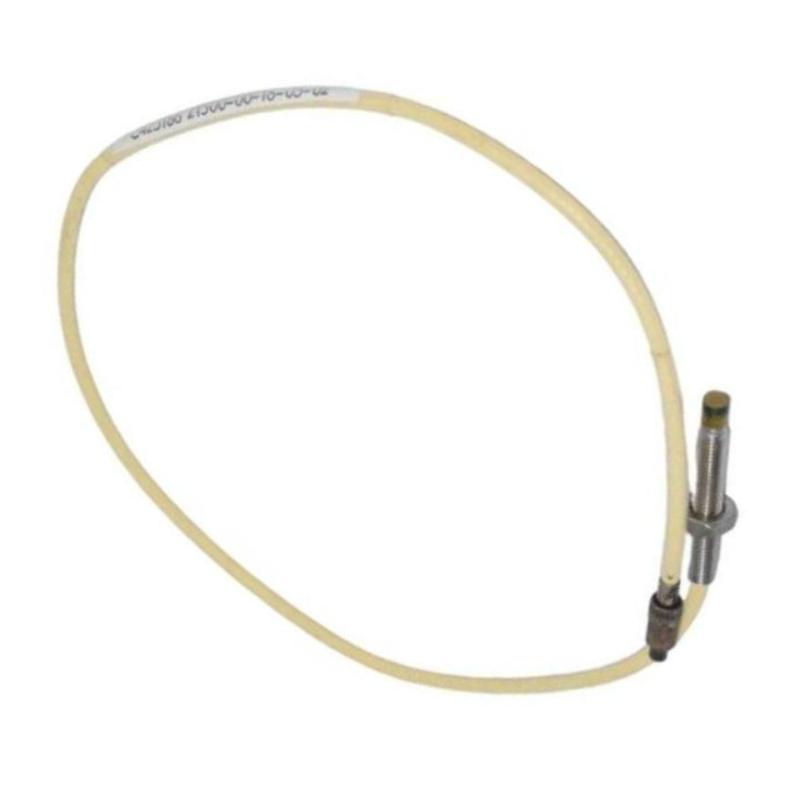
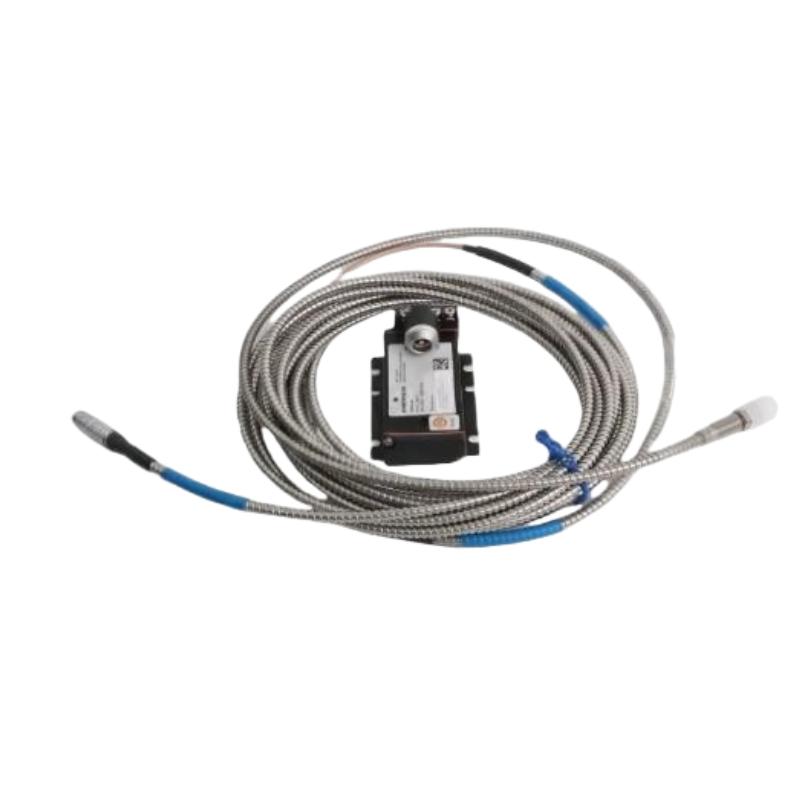
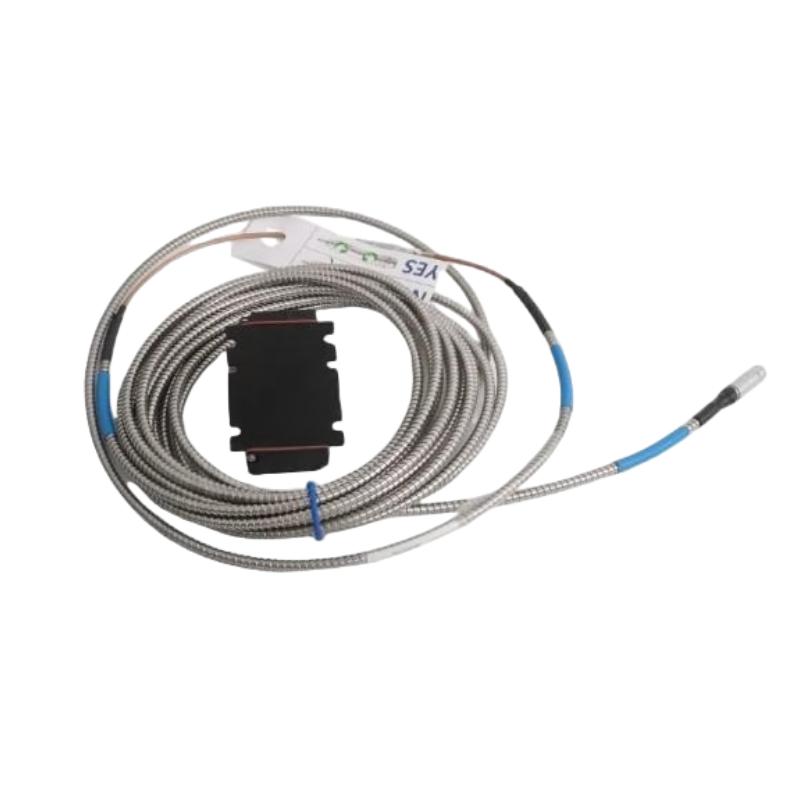
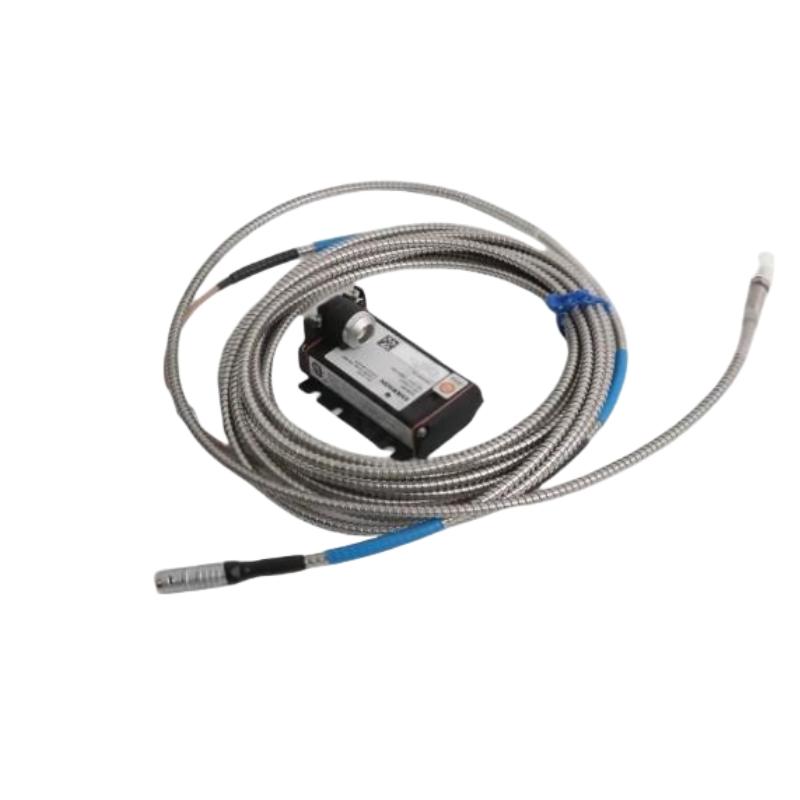
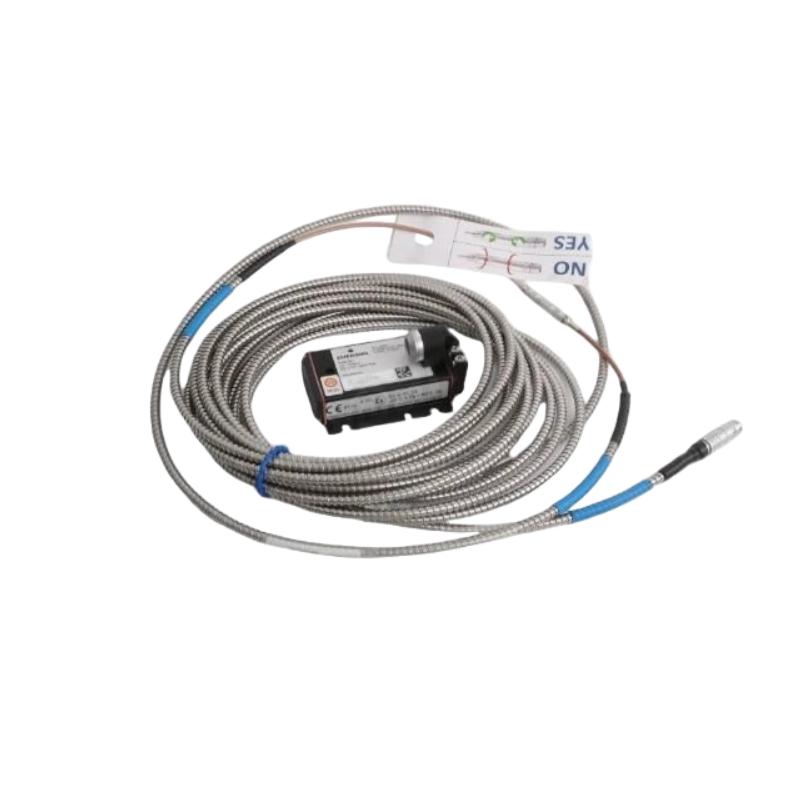
The Epro PR6423/000‑030‑CN + CON021 8 mm Eddy Current Sensor is a precision displacement and proximity measurement device engineered for demanding industrial environments. Built to deliver reliable non‑contact positional feedback, this sensor uses eddy current technology to provide high‑resolution output over an 8 mm sensing range. Its rugged construction and consistent performance make it ideal for applications requiring accurate motion, vibration, or gap monitoring where traditional contact sensors cannot deliver the needed durability or dynamic response.
This sensor package combines the PR6423 eddy current transducer with the CON021 conditioning electronics, giving you a complete solution that’s stable, repeatable, and easy to integrate into control and monitoring systems.
Technical Specifications
| Parameter | Details |
|---|
| Product Type | Eddy Current Displacement / Proximity Sensor |
| Model Number | PR6423/000‑030‑CN + CON021 |
| Sensing Range | 0–8 mm |
| Target Material | Conductive metals (steel, aluminum, etc.) |
| Output Type | Scaled voltage or current (dependent on conditioning) |
| Linearity | Typically ±1 % of full scale |
| Resolution | High‑resolution, dependent on conditioning electronics |
| Operating Frequency | Up to several kHz depending on application |
| Temperature Range | –20 °C to +85 °C |
| Supply Voltage | Conditioning unit dependent (e.g., 24 V DC typical) |
| Cable Connection | Shielded industrial cable (CON021 interface) |
| Protection Rating | IP65/67 (sensor body, application dependent) |
| Mounting | Precision mounting bracket or threaded bushing |
| Material | Stainless steel sensor housing |
Applications
The PR6423/000‑030‑CN + CON021 sensor excels in environments and systems where precise non‑contact measurement is essential:
-
Vibration and shaft position monitoring in rotating machinery
-
Displacement measurement in test rigs and material handling
-
Gap and clearance detection in manufacturing processes
-
Feedback for servo and motion control systems
-
Quality control and automated inspection systems
-
Damper and actuator position sensing
-
Industrial robotics and automated assembly verification
Its non‑contact operation provides long service life and minimal wear even in high‑cycle applications.
Advantages
-
Non‑Contact Measurement — Eliminates wear and mechanical hysteresis
-
High Resolution & Linearity — Ensures accurate positional feedback
-
Rugged Industrial Construction — Withstands harsh environmental conditions
-
Wide Operating Range — Performs well across temperature and load variations
-
Fast Dynamic Response — Suitable for vibration and high‑speed motion monitoring
-
Flexible Mounting Options — Fits into existing mechanical designs
-
Stable Output Signals — Repeatable performance for control systems
-
Easy Integration — Compatible with common controllers and data acquisition systems
These strengths make this eddy current sensor ideal wherever reliable, precise distance or motion feedback is required.
Technical FAQs
1. What measurement range does this sensor support?
It supports a 0–8 mm sensing range for displacement or proximity measurement.
2. Is the measurement contact or non‑contact?
This is a non‑contact eddy current sensor, ensuring long life and no mechanical wear.
3. What materials can it measure against?
It works best with conductive target materials such as steel or aluminum.
4. What output signals are provided?
Output type depends on the conditioning unit (CON021) — typically scaled voltage or current.
5. What operating temperatures does it tolerate?
Designed for industrial use from –20 °C to +85 °C.
6. Can it handle vibration and movement?
Yes — its design supports dynamic measurement in vibration and motion applications.
7. What is the typical accuracy?
Linearity is typically within ±1 % of full scale.
8. Is the output stable under electrical noise?
Yes — isolated conditioning and robust shielding help maintain signal integrity.
9. How is the sensor mounted?
Standard industrial threaded mounts or brackets are used for stable positioning.
10. Does it require special calibration?
Basic setup and zero‑point adjustment are typical; advanced calibration is optional depending on control system needs.
 A DCS Q Co., Ltd. - PLC and DCS Industrial Control Equipment Wholesale