Introduction
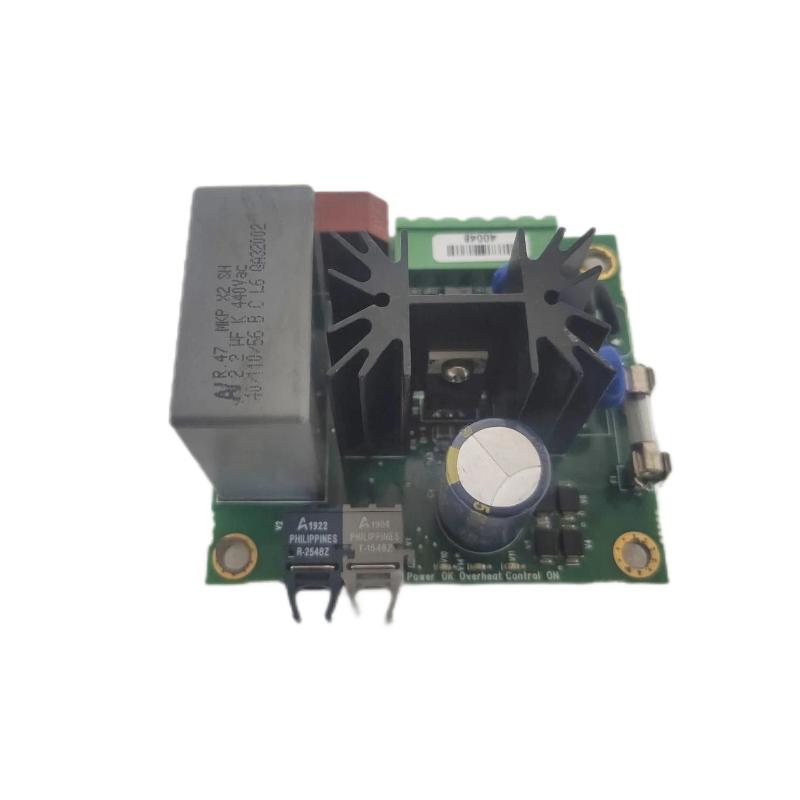
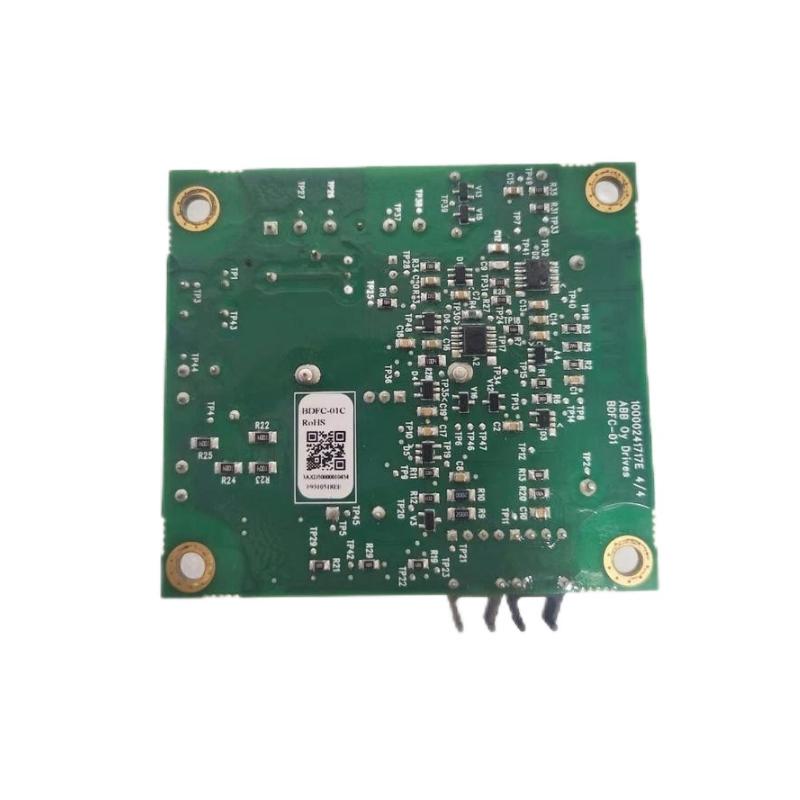
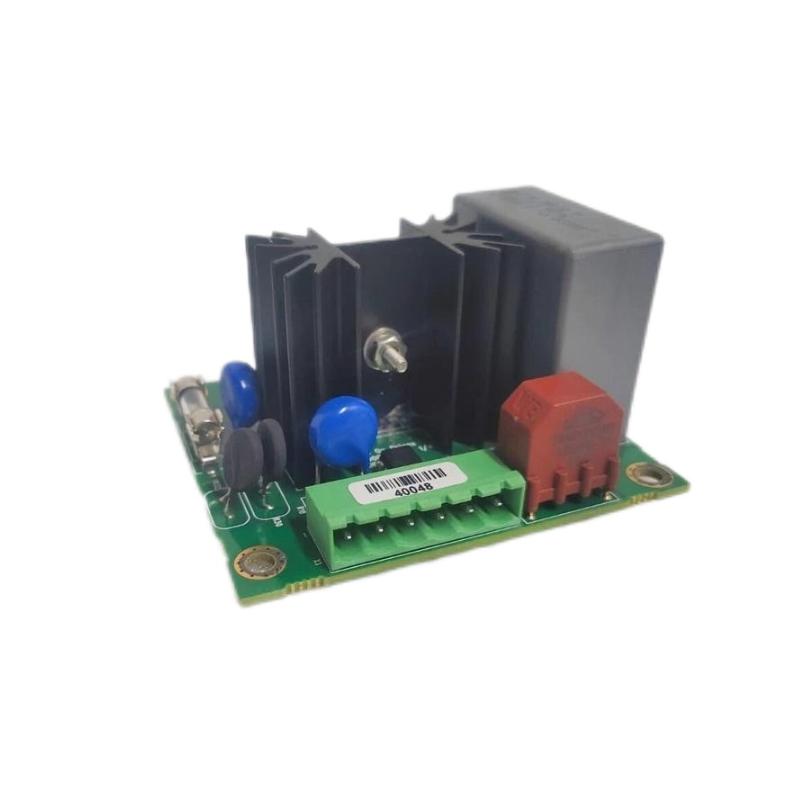
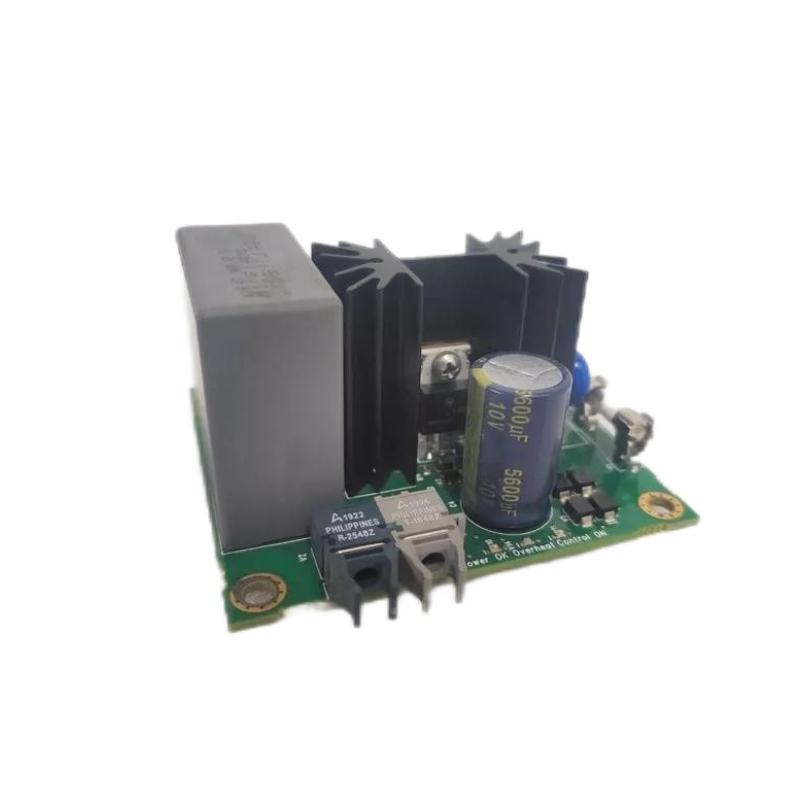
The ABB BDFC‑01C 3AXD50000010454 is a dedicated inverter accessory within ABB’s industrial drive ecosystem. Designed to enhance inverter functionality, integration, and installation flexibility, the BDFC‑01C supports expanded interfacing and auxiliary capabilities when paired with ABB variable‑frequency drives (VFDs).
Rather than acting as a standalone power or control device, this accessory complements ABB drives by enabling specific auxiliary functions, signal routing, or communication support. Its industrial‑grade construction ensures dependable performance alongside key drive families such as the ACS580, ACS880, and related drive platforms.
Technical Specifications
| Specification | Details |
|---|
| Manufacturer | ABB |
| Model | BDFC‑01C |
| Part Number | 3AXD50000010454 |
| Product Type | Inverter Accessory Module |
| Compatible With | ABB industrial VFDs (e.g., ACS family) |
| Typical Function | Auxiliary interface / accessory support |
| Mounting | DIN‑rail or panel mount (application dependent) |
| Operating Environment | Industrial automation settings |
| Operating Temperature | Standard industrial range |
| Storage Temperature | Industrial storage conditions |
| Protection | Designed for use in industrial cabinets |
Applications
The BDFC‑01C inverter accessory finds use in a variety of industrial settings, including:
-
Drive I/O Expansion – Adding auxiliary interface connections for drive I/O or control wiring.
-
Improved Signal Routing – Helping manage and organize cabling when integrating drives into automation panels.
-
Automation Network Integration – Serving as a support accessory to streamline communication between drives and other system components.
-
Diagnostic Support – Providing easier access points for monitoring or maintenance checks.
-
Industrial Machinery – Used in conveyors, pumps, fans, compressors, and material handling systems where drive flexibility is required.
By enhancing the installation and functional flexibility of ABB VFDs, this accessory contributes to smoother commissioning and more robust drive architectures.
Advantages
-
Enhanced Drive Integration – Improves connectivity and auxiliary interfacing in inverter systems.
-
Compact Industrial Design – Small form factor allows for efficient cabinet layout.
-
Easy Installation – Supports standard mounting practices (DIN‑rail or panel) for control rooms and drive cabinets.
-
Compatibility with ABB Drives – Designed to work reliably with ABB drive platforms.
-
Maintenance‑Friendly – Simplifies access during service tasks and system upgrades.
This combination of features ensures the BDFC‑01C supports flexible, dependable inverter installations across industrial applications.
Technical FAQs
1. What is the ABB BDFC‑01C used for?
It is an accessory module that enhances inverter functionality by providing auxiliary interfaces or expanded connectivity.
2. Which drives is it compatible with?
It’s designed to be compatible with ABB variable‑frequency drives such as ACS580 and ACS880 family products.
3. Does it require a separate power supply?
Typically, it interfaces with the drive’s internal power or control power; it doesn’t require an independent supply unless specified by the drive documentation.
4. How is it mounted?
Installation is typically via DIN‑rail or panel mount inside the drive cabinet.
5. Does it improve communications?
It can support auxiliary or expanded interface connections to help communication between the drive and external components.
6. Is it essential for basic drive operation?
No — this accessory is optional and provides additional support functions rather than core drive capability.
7. Can it be used in harsh environments?
Yes — it’s designed for industrial control environments.
8. Does it include safety protections?
It’s engineered to meet standard industrial electrical safety requirements suited for inverter cabinets.
9. Is any configuration software needed?
Configuration typically uses drive‑level software and system setup tools, not accessory‑specific software.
10. Does it support fieldbus expansion?
When paired with compatible modules and drive models, it can help facilitate communication expansion as part of a larger automation system.
 A DCS Q Co., Ltd. - PLC and DCS Industrial Control Equipment Wholesale