Applications
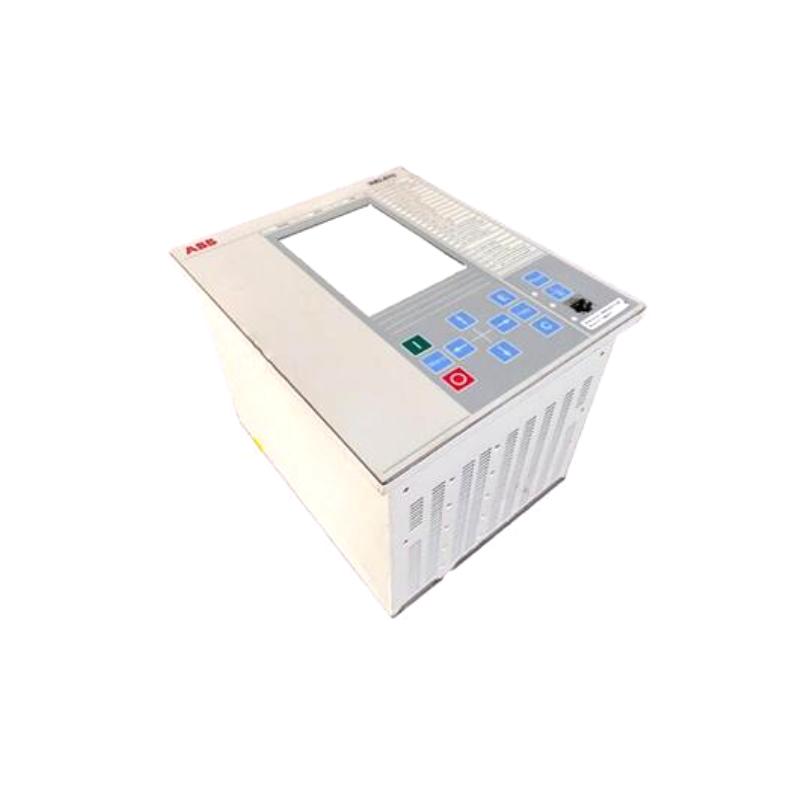
The CP502 operating panel is commonly used for:
-
Local operator interface in wind turbine control systems
-
Status display and input panel for PLC or DCS installations
-
Machine‑level control panels in industrial automation
-
Remote operator points within larger distributed controls
-
Maintenance and diagnostics stations for control systems
Its straightforward format provides focused visualization and command entry where a simple display is sufficient.
Advantages
-
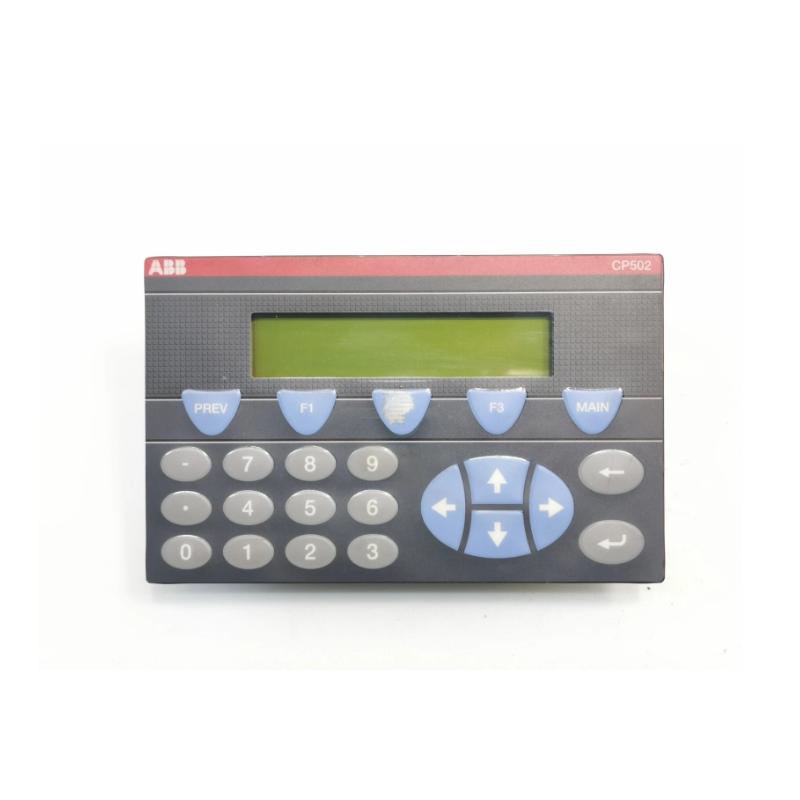
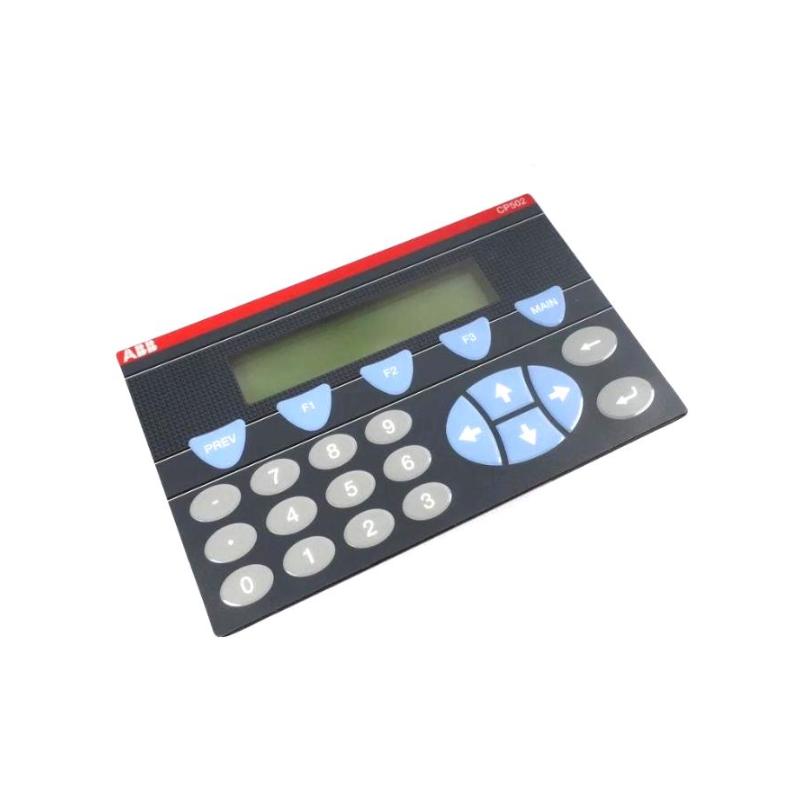
Clear Text Visualization – Two lines of text allow succinct status and messaging readouts.
-
Ergonomic Controls – Eleven function keys, including programmable keys, streamline operator interaction.
-
Compact Industrial Design – Small footprint and light weight fit easily in panels and cabinets.
-
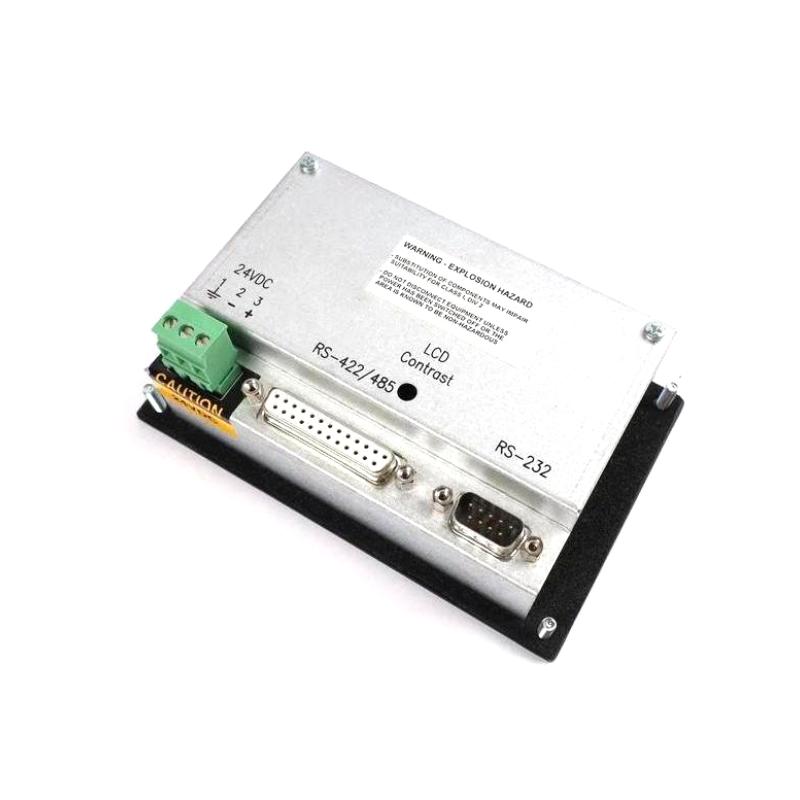
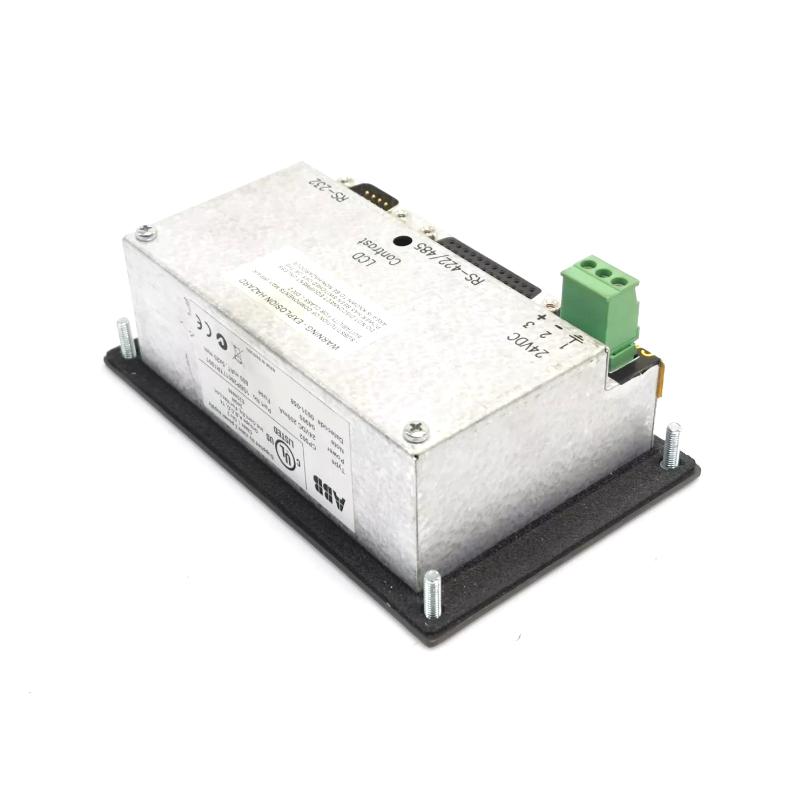
Reliable Power Input – Standard 24 V DC operation integrates with typical automation power systems.
-
Flexible Integration – Serial communication enables interface with controllers and logic systems.
The CP502 is an effective choice for situations where a basic yet dependable operator panel improves machine visibility and control access.
Technical FAQs
1. What type of display does the CP502 use?
It uses a two‑line LCD text display that supports up to 20 characters per line.
2. How many function keys are available on the panel?
There are 11 function keys, including programmable and standard keys.
3. What power supply does this panel require?
It operates on 24 V DC, common in industrial control systems.
4. Does it support network protocols?
It supports standard serial communication protocols such as Modbus RTU/ASCII.
5. Where is this panel typically mounted?
The panel mounts into a cut‑out on an operator cabinet or machine panel.
6. Is the configuration retained after power loss?
Yes — the panel uses non‑volatile memory to retain settings.
7. Can it display dynamic status messages?
Yes — the text display can show changing status and feedback from a connected controller.
8. Is this panel suited for wind turbine systems?
Yes — it is referenced for use as an operating panel in wind turbine control systems and similar applications.
9. What environments is it designed for?
It’s built for industrial conditions typical of control rooms and machine panels.
10. Can it be used with large PLC systems?
Yes — it integrates with larger systems via serial communication for localized display and control.
 A DCS Q Co., Ltd. - PLC and DCS Industrial Control Equipment Wholesale