Introduction
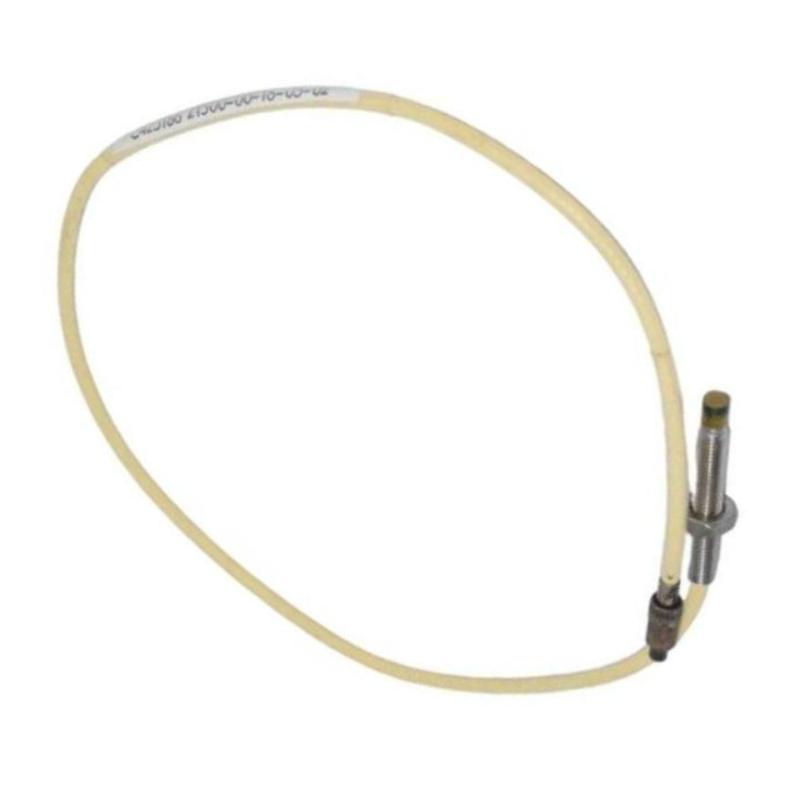
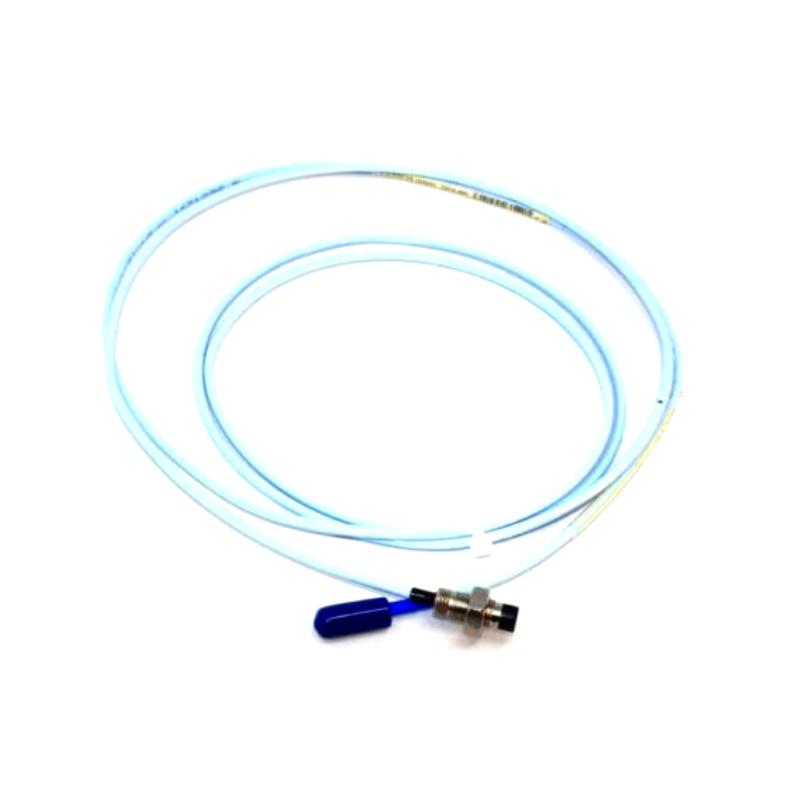
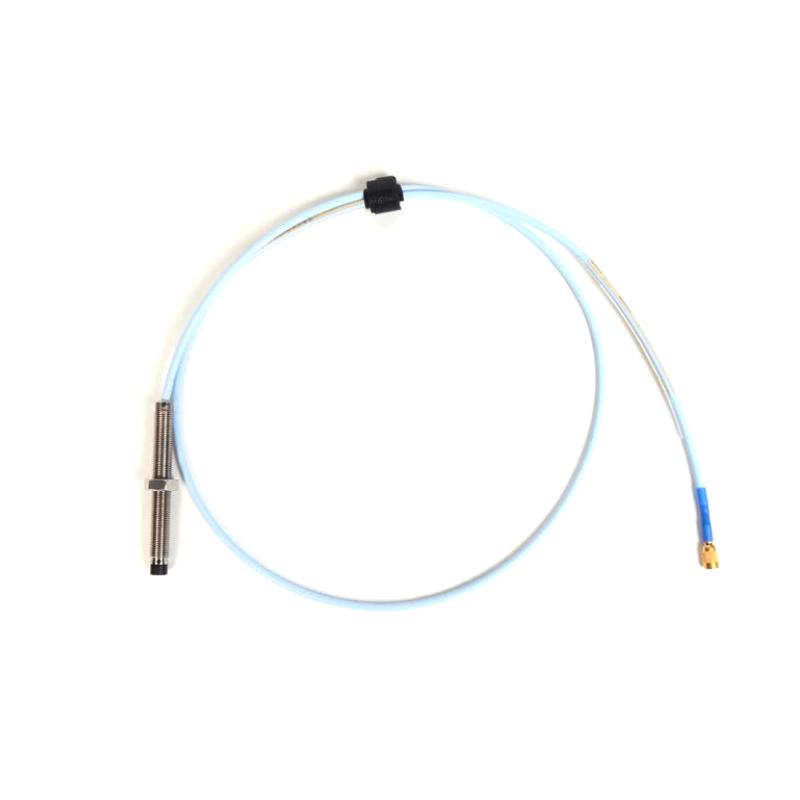
The Bently Nevada 330171‑00‑08‑90‑01‑05 3300 5 mm Proximity Probe is a precision measurement transducer engineered to deliver high‑accuracy displacement data in industrial machinery condition monitoring systems. As part of the Bently Nevada 3300 series — widely respected in heavy‑duty plant applications — this 5 mm probe is designed for reliable, repeatable performance on critical rotating equipment such as turbines, compressors, and pumps.
Built for demanding environments, the 330171‑00‑08‑90‑01‑05 combines rugged mechanical design with stable electrical characteristics, ensuring long‑term measurement fidelity. Whether deployed for vibration characterization or shaft position tracking, this proximity probe forms the cornerstone of effective asset protection strategies.
Technical Specifications
| Specification | Details |
|---|
| Model Number | 330171‑00‑08‑90‑01‑05 |
| Series | Bently Nevada 3300 |
| Probe Type | Proximity displacement probe |
| Sensing Range | 5 mm (0.197 in) |
| Probe Style | Rod or tubular style tip (industrial design) |
| Tip Material | Hardened stainless steel |
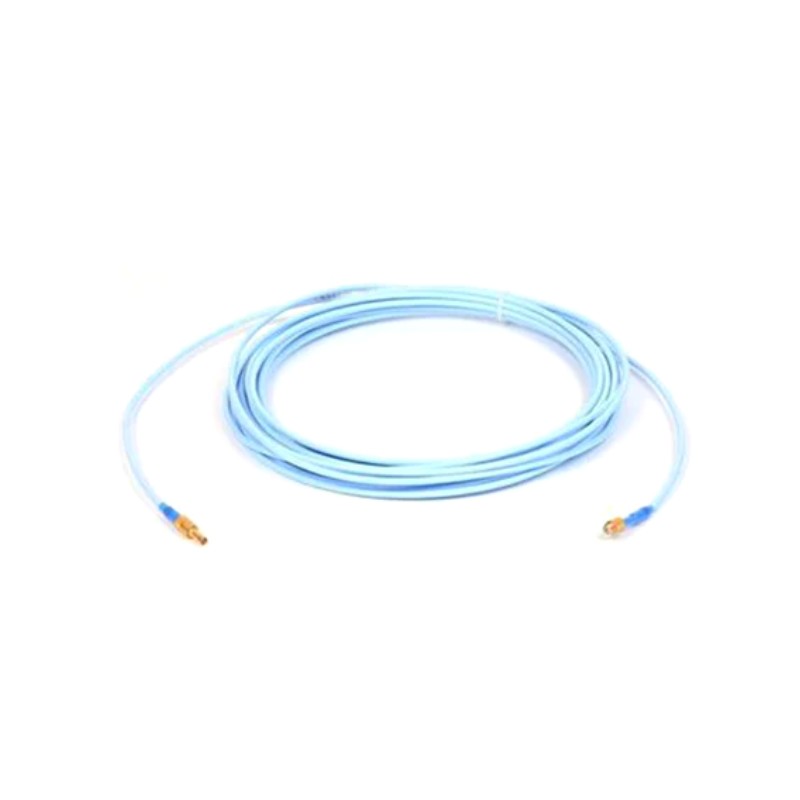
| Cable Type | Shielded multi‑conductor |
| Connector | MIL‑style 12‑pin compatible with 3300 series systems |
| Operating Temperature | ‑20…120 °C (‑4…248 °F) |
| Storage Temperature | ‑40…125 °C (‑40…257 °F) |
| Pressure Rating | Designed for industrial environments |
| Weight | Approx. 0.18 kg (0.40 lb) |
| Mounting | Threaded or dedicated sensor boss support |
Applications
The 330171‑00‑08‑90‑01‑05 proximity probe excels in a wide range of condition monitoring scenarios, including:
-
Rotating machinery displacement measurement on turbines, compressors, and electric motors
-
Vibration monitoring for early fault detection
-
Shaft position tracking in high‑speed equipment
-
Industrial process facilities including power generation and petrochemical plants
-
Machinery protection systems where precision and durability are paramount
Integral to robust asset health strategies, this probe supports proactive maintenance and maximizes equipment availability.
Advantages
-
Precision Displacement Sensing — 5 mm range optimized for fine shaft movement and vibration detection.
-
Industrial‑Grade Construction — Hardened tip and shielded cable withstand demanding plant environments.
-
Stable Signal Integrity — Designed for low noise and reliable data interfacing with 3300 monitoring hardware.
-
Easy Integration — Compatible with standard 3300 series connectors and mounting methods.
-
Long‑Term Reliability — Built for extended service life with minimal drift and maintenance.
This probe delivers the trusted performance required for mission‑critical condition monitoring, enabling accurate diagnostics and smarter asset protection.
Technical FAQs
1. What measurement range does this probe support?
It supports a 5 mm (0.197 in) displacement sensing range, suitable for detailed shaft movement and vibration measurement.
2. What systems is this probe compatible with?
It’s designed for use with Bently Nevada 3300 series vibration and position monitoring systems.
3. Can this probe be used in high‑temperature environments?
Yes — it is rated to operate reliably up to approximately 120 °C (248 °F).
4. What connector type is used?
It uses a MIL‑style 12‑pin connector compatible with 3300 series hardware.
5. Is the probe cable shielded?
Yes — the shielded cable protects against electrical noise and helps maintain signal fidelity.
6. How is the probe mounted?
Mounting typically uses a threaded boss or dedicated housing, ensuring secure positioning near the monitored shaft.
7. Does this probe require calibration?
Standard industry practice recommends periodic calibration to maintain measurement accuracy in long‑term installations.
8. Can it be used outdoors?
Yes, with appropriate environmental protection such as conduit or sealed enclosures.
9. What applications benefit most from this probe?
Rotating equipment where precise displacement and vibration data are needed for condition monitoring and protection.
10. Is this suitable for hazardous area installations?
For hazardous areas, appropriate certified configurations or cabling options should be selected per regulatory requirements.
 A DCS Q Co., Ltd. - PLC and DCS Industrial Control Equipment Wholesale