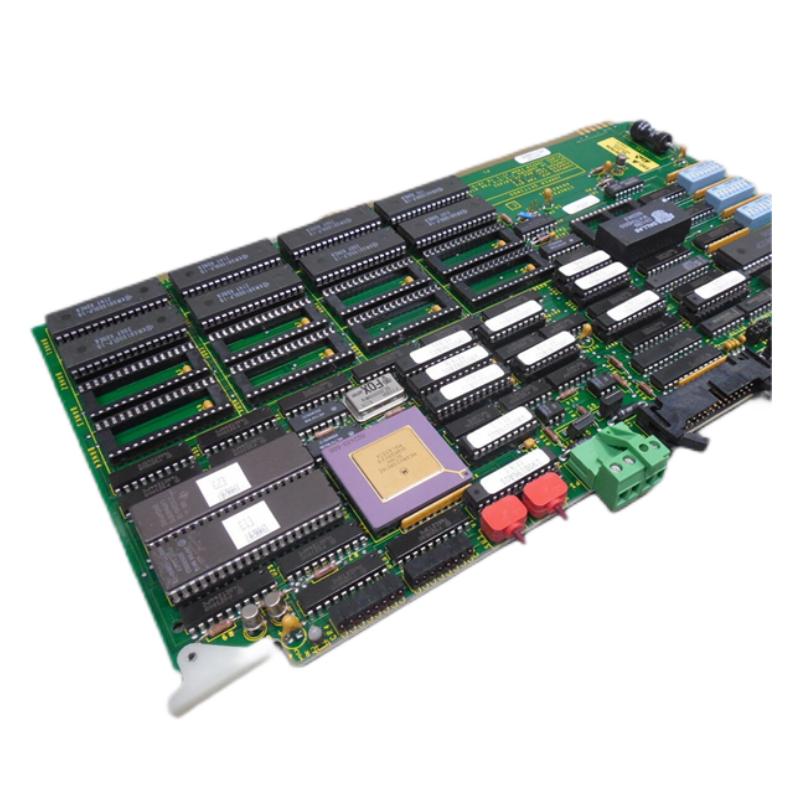
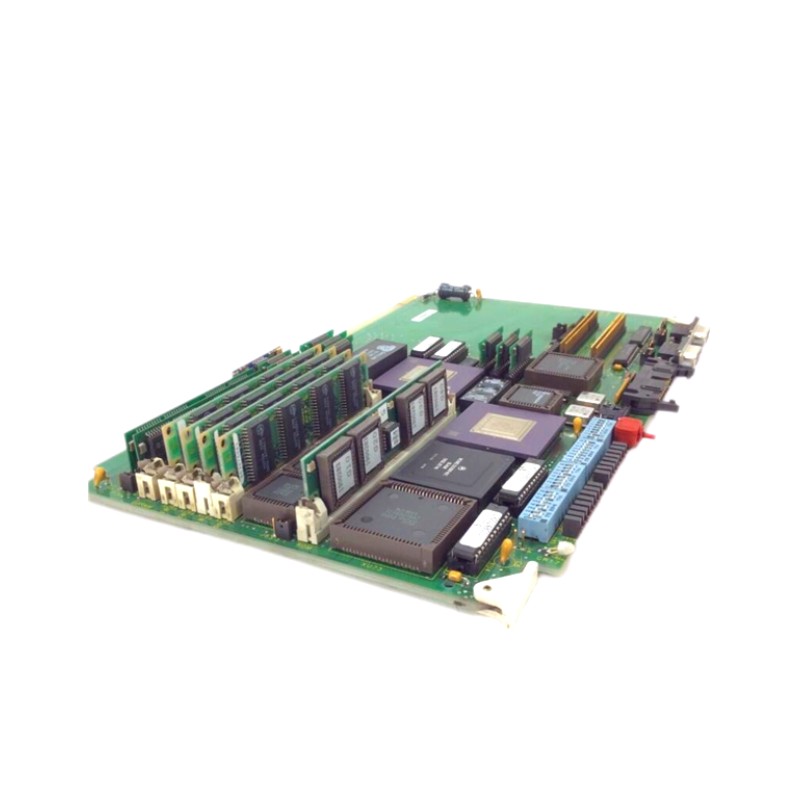
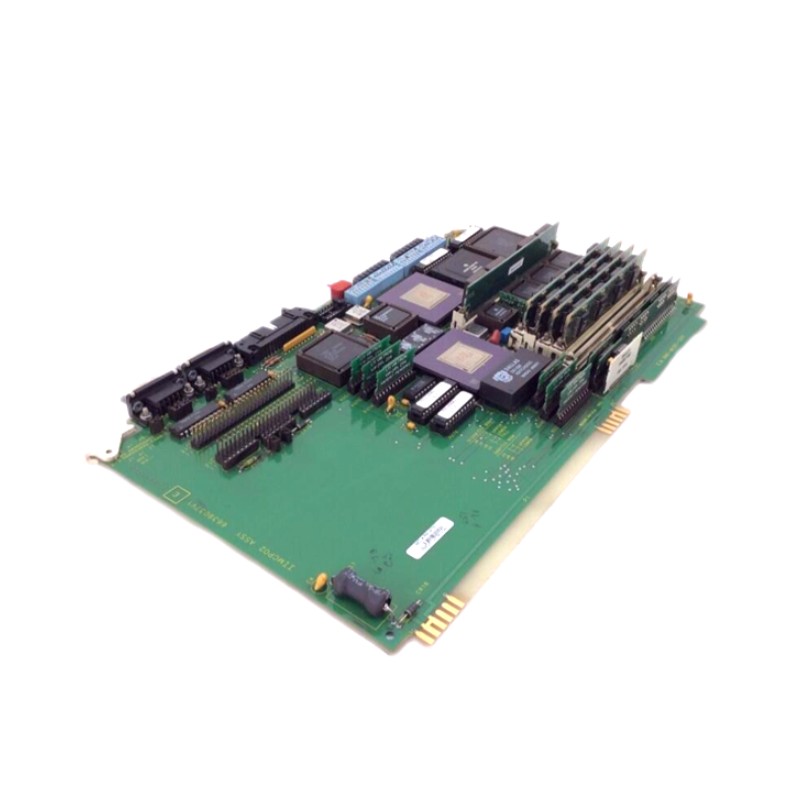
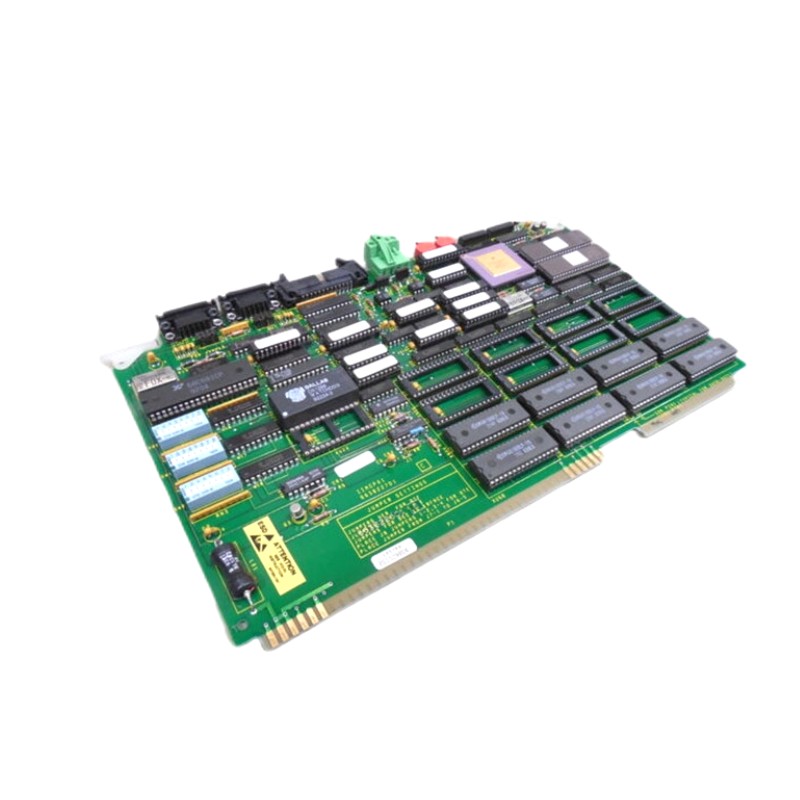
Product Introduction
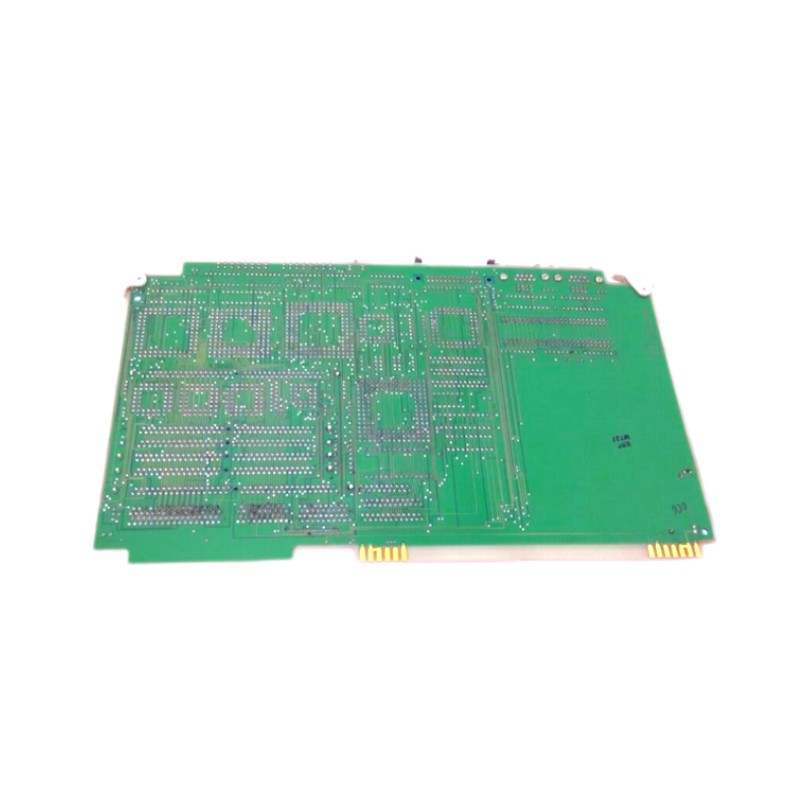
The ABB Bailey IIMCP01 6638227D1 Multi‑Bus Communication Processor is a central communication engine designed for ABB Bailey distributed control systems (such as INFI‑90 and related architectures). This processor acts as a communication nexus between multiple bus segments, enabling structured, high‑integrity data exchange across controllers, I/O modules, and networked automation elements. Built for industrial reliability, the IIMCP01 supports scalable control system layouts with clear bus management, stable messaging, and enhanced system diagnosability—features that help maintain performance and uptime in complex plant environments.
Technical Specifications
| Specification | Detail |
|---|
| Product Type | Multi‑Bus Communication Processor |
| Model Number | ABB Bailey IIMCP01 6638227D1 |
| Function | Real‑time communication coordination across bus segments |
| Compatible Systems | ABB Bailey DCS platforms (e.g., INFI‑90 family) |
| Bus Interfaces | Multi‑bus support for distributed communication segments |
| Message Handling | Deterministic data exchange with synchronization |
| Isolation | Channel‑to‑bus galvanic isolation where required |
| Mounting | Rack or cabinet interface mount |
| Power Requirements | Standard system or backplane power |
| Operating Temperature | Industrial temperature range |
| Environmental Rating | Designed for vibration, electrical noise, and plant floor conditions |
Typical Applications
The IIMCP01 Multi‑Bus Communication Processor is commonly used in distributed control architectures where structured communication and bus coordination are essential:
-
Central communication hub connecting controller racks to I/O bus segments
-
Multi‑bus coordination between redundant or segmented network zones
-
Communication backbone for modular system expansions
-
Integration point for controllers, safety modules, and field I/O hubs
-
Data synchronization across distributed automation panels
By managing communication paths effectively, the processor helps maintain consistent system timing and messaging across diverse automation components.
Key Benefits & Features
-
Multi‑Bus Coordination:
Enables real‑time communication across multiple bus segments without degradation in timing or message integrity.
-
Deterministic Data Exchange:
Processes and relays messages predictably, crucial for automated control and monitoring functions.
-
Isolation and Noise Immunity:
Engineered to maintain signal integrity in environments with electrical noise and plant‑level interference.
-
Industrial‑Grade Durability:
Designed to withstand the vibration, temperature swings, and airborne contaminants common in manufacturing and process plants.
-
Simplified System Architecture:
Acts as a structured communication hub, reducing the need for complex cabling and scattered network interfaces.
Together, these features help system designers achieve reliable automation communication with minimized troubleshooting complexity.
 A DCS Q Co., Ltd. - PLC and DCS Industrial Control Equipment Wholesale