Typical Industrial Applications
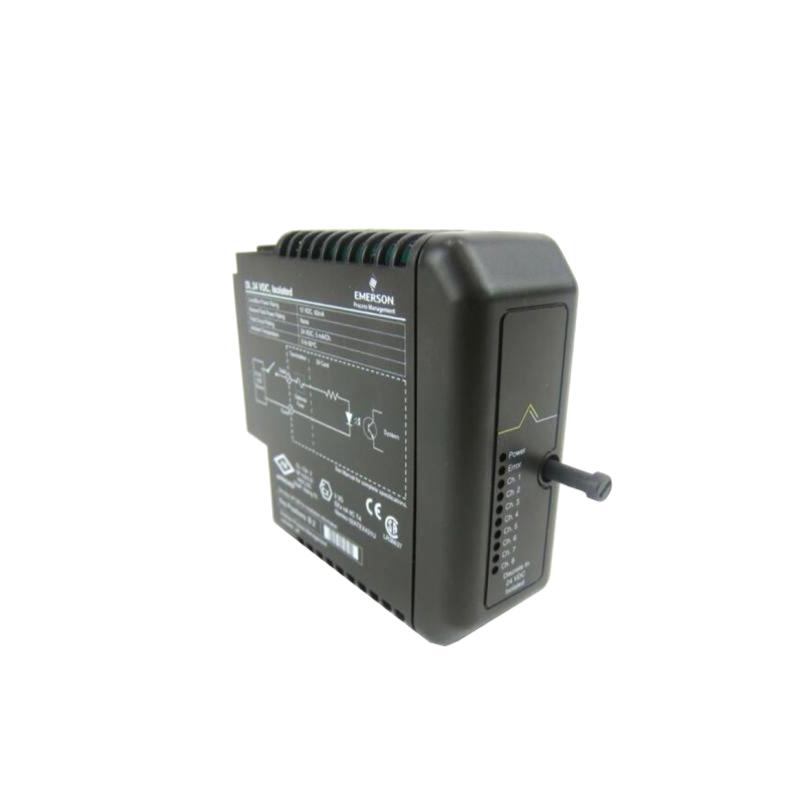
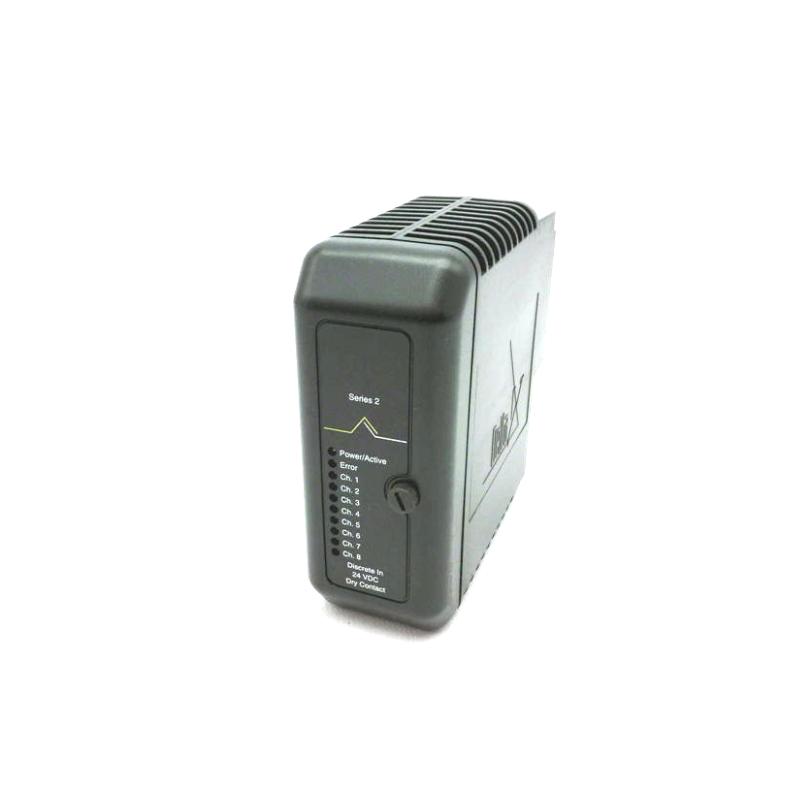
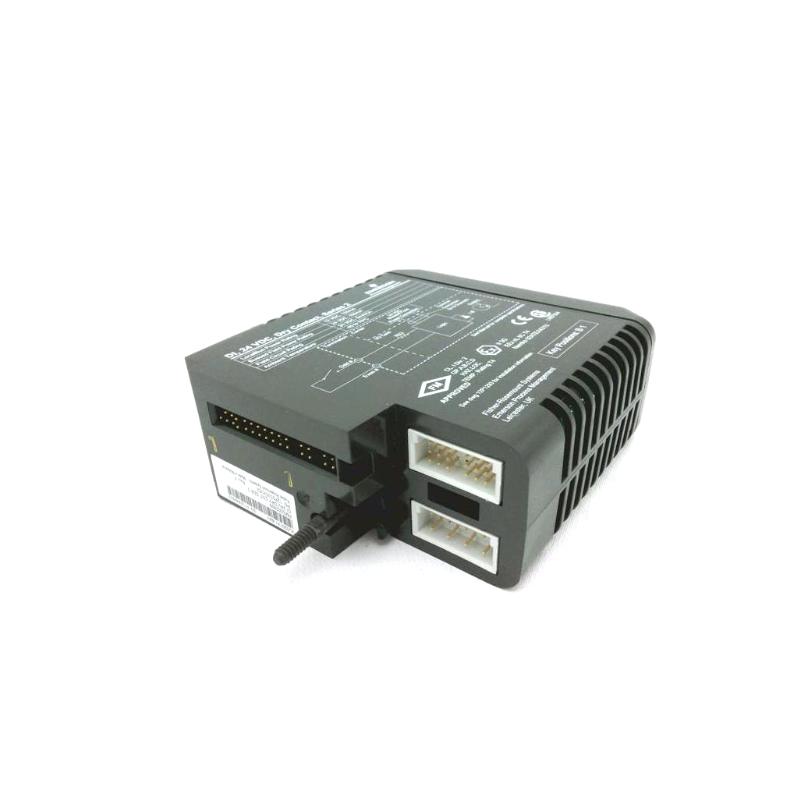
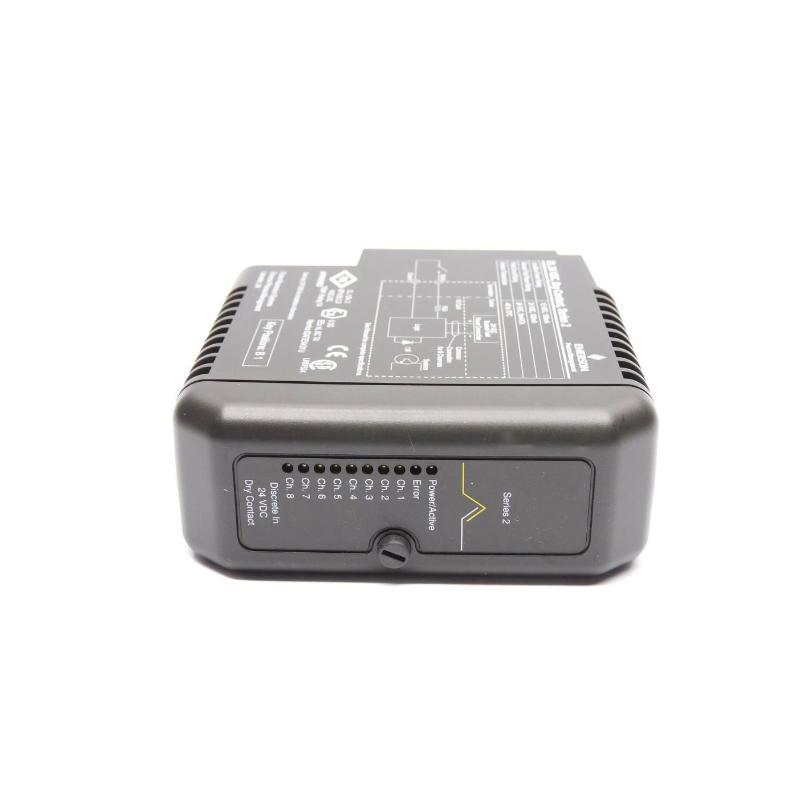
The KJ3201X1‑BA1 Input Module is widely used wherever digital field signals must be communicated to a central controller or safety logic system:
-
Capturing start/stop status from pushbuttons and switches
-
Monitoring limit switches on valves and actuators
-
Detecting safety interlock conditions in machine and process systems
-
Feedback from level, flow, or pressure switch devices
-
Event logging and control state sequencing in process automation
By delivering clean, debounced digital signals into the DeltaV control environment, this module supports both automation and safety logic requirements.
Key Advantages & Features
-
Robust Signal Acquisition:
Designed to accurately detect discrete ON/OFF signals even in electrically noisy industrial settings.
-
Galvanic Isolation:
Electrical isolation between input channels and the system backplane helps improve signal integrity and protect against interference.
-
Compact, Modular Design:
Space‑efficient module fits standard DIN‑rail or cabinet rack installations, making it suitable for both centralized and distributed configurations.
-
Seamless System Integration:
Works natively with DeltaV I/O subsystems, enabling straightforward configuration and diagnostics within the automation platform.
-
Industrial Durability:
Constructed to withstand plant environments with standard vibration, temperature variation, and environmental contaminants.
These features make the KJ3201X1‑BA1 a dependable choice for engineers responsible for reliable field signal acquisition in control and safety systems.
Technical FAQs
-
What type of signals does this module handle?
It handles standard discrete digital input signals (e.g., ON/OFF, contact closures).
-
How many input channels are supported?
Multiple independent channels are provided; exact count depends on the module configuration.
-
What voltage does it accept?
Standard industrial discrete signal voltage, typically 24 V DC.
-
Is electrical isolation provided?
Yes — galvanic isolation helps prevent electrical interference and improve signal reliability.
-
Can it be used in distributed I/O racks?
Yes — its form factor supports both central and distributed I/O layouts.
-
Does it require external relays for input conditioning?
In most cases no — the module accepts discrete inputs directly when within rated parameters.
-
Is the module suitable for safety logic applications?
Yes — when paired with safety‑certified controllers and architectures, it supports safety‑related discrete signal capture.
-
How does it mount in a cabinet?
The module installs on standard DIN‑rail or into compatible I/O rack frames.
-
What environments is it built for?
Industrial environments with vibration, electrical noise, and temperature variations.
-
Can it be hot‑swapped?
Hot‑swap capability depends on system design and installation practices; consult system documentation for specifics.
 A DCS Q Co., Ltd. - PLC and DCS Industrial Control Equipment Wholesale