Typical Industrial Application Scenarios
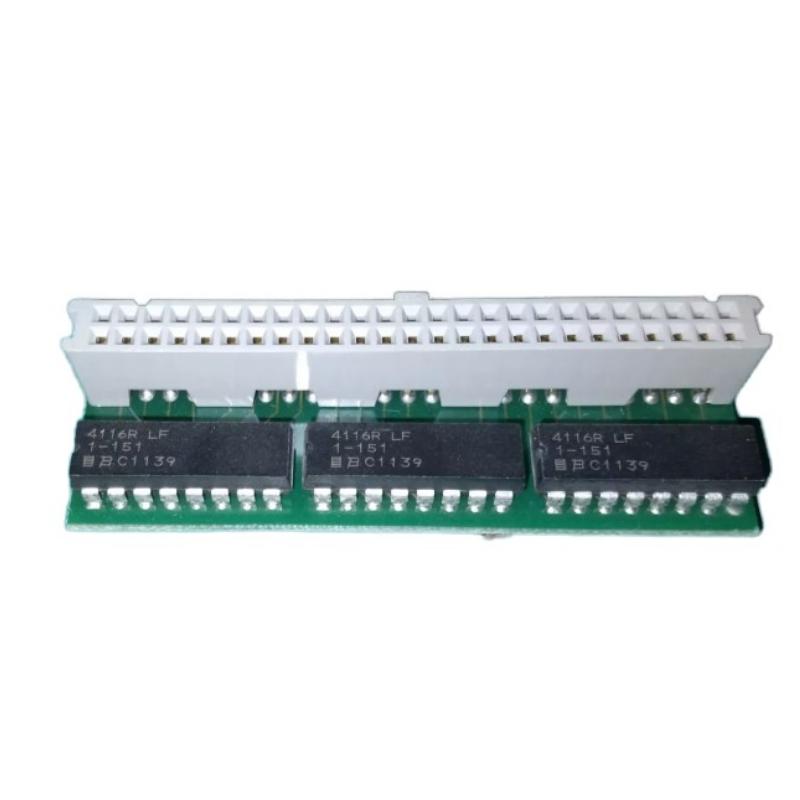
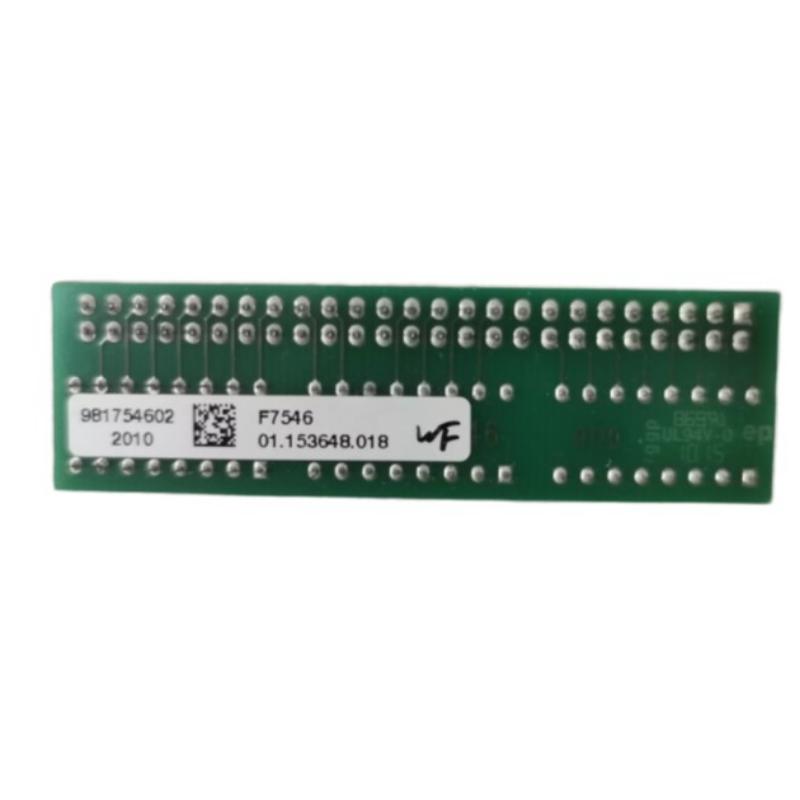
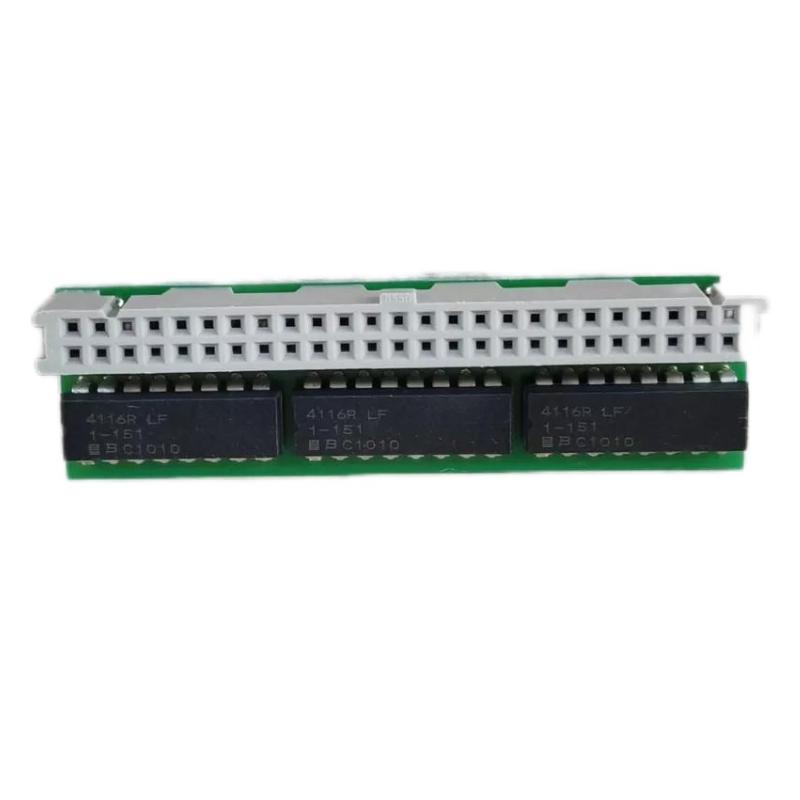
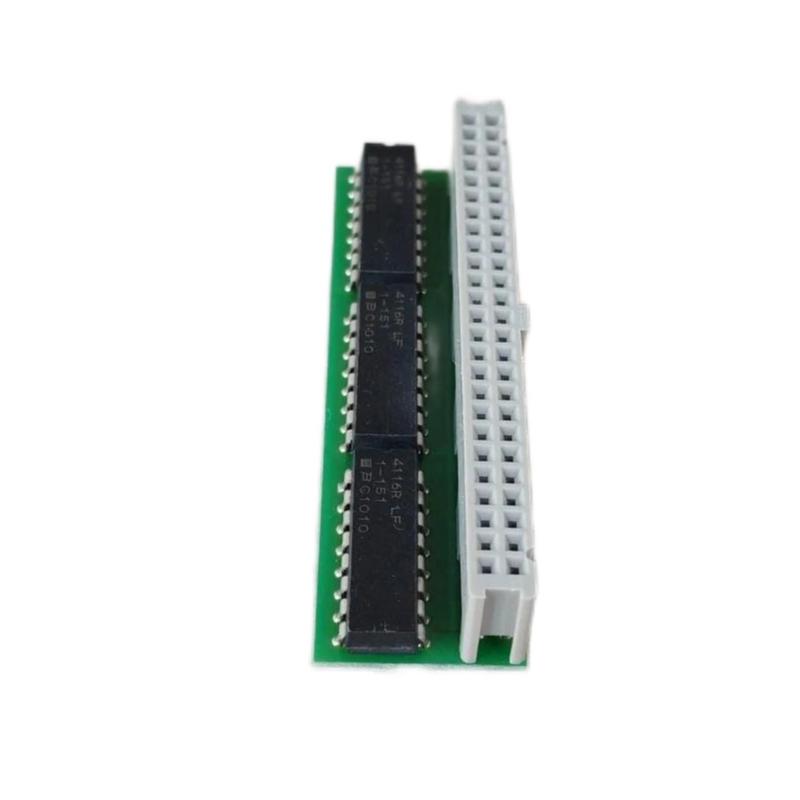
The HIMA F7546 I/O Bus Coupling Modules are suitable for a broad range of safety automation architectures where structured data transfer between controllers and field devices is vital:
-
Distributed I/O aggregators in process and manufacturing plants
-
Field signal coupling for sensors and actuators across safety networks
-
Bridge module in segmented safety communication topologies
-
Safety system expansions and retrofits where additional I/O nodes are required
-
Integration between central processors and remote safety racks
By serving as the communication bridge between field I/O and safety logic, the F7546 modules help maintain signal integrity, performance, and operational stability.
Key Benefits & Features
-
Reliable Bus Coupling: Facilitates consistent, high‑integrity connection between CPU and I/O networks.
-
Integrated Diagnostics: On‑board health monitoring provides status feedback for early detection of signal issues.
-
Flexible Mounting: DIN‑rail or subrack compatible for adaptable panel installations.
-
Industrial‑Grade Construction: Designed for vibration, electrical noise, and temperature demands typical of industrial sites.
-
Modular Scalability: Supports incremental system expansion and distributed I/O arrangements without major rewiring.
Together, these advantages help safety engineers and system integrators optimize system performance while reducing installation complexity.
Technical FAQs
-
What is the main role of the F7546 modules?
They serve as the interface that couples safety controllers to distributed I/O networks, enabling structured data exchange.
-
Are these modules compatible with HIMA safety controllers?
Yes — they are designed to work seamlessly within HIMA safety system architectures.
-
What type of protocols do they support?
They support safety bus and industrial fieldbus protocols used for controller‑to‑I/O communications.
-
What is the required supply voltage?
Standard 24 V DC is used for industrial power compatibility.
-
Is diagnostics support available?
Yes — built‑in self‑monitoring and fault reporting help maintain system integrity.
-
Can they be used in distributed I/O topologies?
Yes — they are suitable for distributed safety I/O deployments.
-
Do they support retrofit applications?
The modular design makes them suitable for retrofits and expansions.
-
Are these units rugged enough for harsh environments?
Yes — built for industrial temperature ranges, vibration, and electrical noise conditions.
-
How do they affect wiring complexity?
By centralizing bus coupling functions, they reduce wiring runs and simplify panel layouts.
-
What mounting options are supported?
They are compatible with DIN‑rail and subrack mounting systems.
 A DCS Q Co., Ltd. - PLC and DCS Industrial Control Equipment Wholesale