Introduction
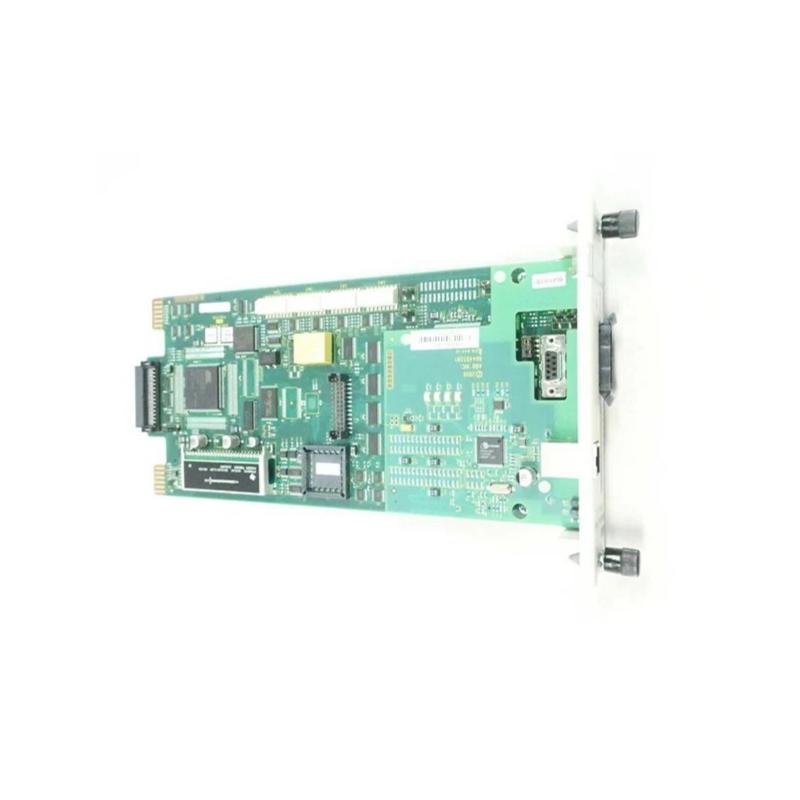
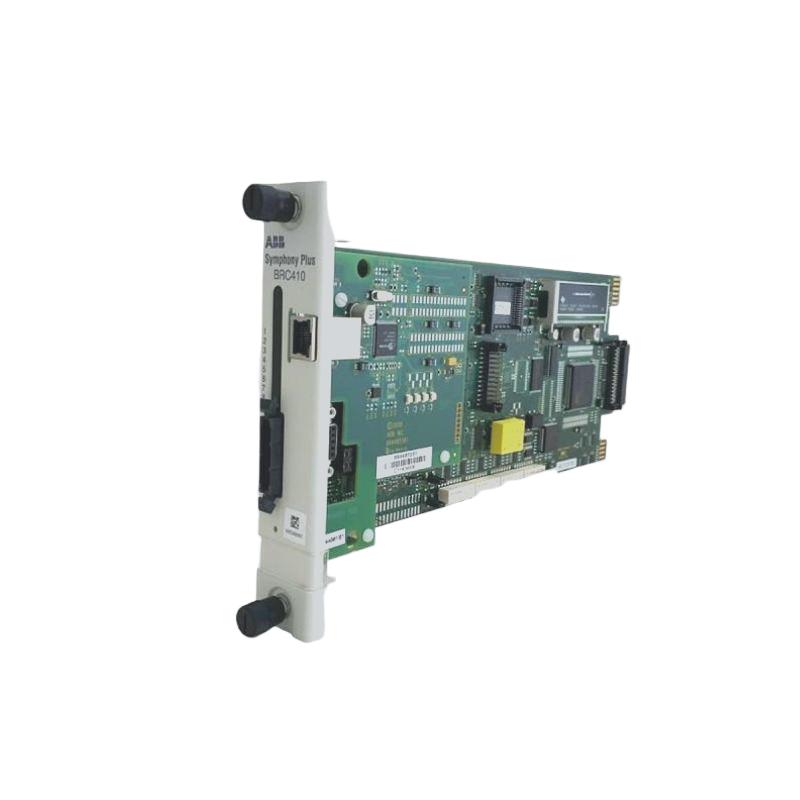
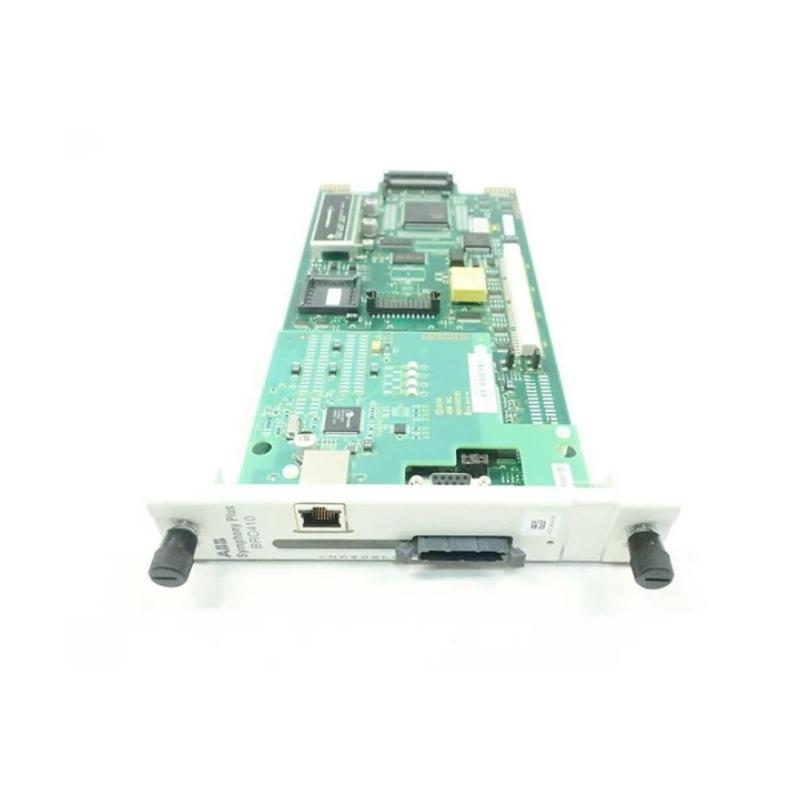
The ABB Bailey SPBRC410 Bridge Controller is engineered to serve as a central communication and control node within modular Bailey™ distributed control systems. Combining robust processing capability with seamless system interoperability, this bridge controller enables coordinated data exchange across I/O modules, power bases, and control racks.
Built for demanding industrial environments, the SPBRC410 delivers reliable bridge logic, improved system determinism, and enhanced diagnostic feedback — all while supporting scalable architecture growth. Its unique position within a Bailey control network makes it an essential element for process synchronization and distributed automation responsiveness.
Technical Specifications
| Specification | Detail |
|---|
| Product Name | ABB Bailey SPBRC410 Bridge Controller |
| Module Type | Bridge Controller |
| Processor Type | High-throughput Industrial Processor |
| Network Interfaces | Dual Redundant Bus Ports |
| Logic Memory | 512 MB SDRAM (typical) |
| Non-volatile Storage | 256 MB Flash |
| I/O Support | Compatible with Bailey Distributed I/O Bases |
| Operating Temperature | -20 °C to +70 °C / -4 °F to +158 °F |
| Storage Temperature | -40 °C to +85 °C / -40 °F to +185 °F |
| Humidity Tolerance | 10 % to 95 % non-condensing |
| Mounting Style | DIN-rail or Rack Installation |
| Weight (Approx.) | 1.15 lb / 0.52 kg |
| Dimensions (H × W × D) | 2.2 × 4.8 × 6.5 inches |
| Dimensions (Metric) | 56 × 122 × 165 mm |
Applications
The SPBRC410 Bridge Controller is widely used in industrial automation where multiple I/O streams and logic coordination are required:
-
Process control and plant automation systems
-
Distributed control system (DCS) network coordination
-
Data aggregation and communication bridging
-
Multi-rack and cluster automation architecture
-
Remote I/O network backplane interfacing
This controller acts as the nerve center connecting field modules, enabling efficient communication flows and ensuring control logic consistency across large installations.
Advantages
Reliable System Coordination
Handles multiple communication pathways with consistent timing, improving system determinism and overall performance.
Flexible Integration
Designed to interface with a wide range of Bailey I/O bases, providing unified data exchange for mixed signal types.
Robust Industrial Design
Engineered for harsh operating conditions and extended environmental tolerance, making it suitable for rugged plant environments.
Scalable Architecture Support
Supports network expansion strategies without compromising control integrity or throughput.
Enhanced Diagnostics
Built-in system feedback and health indicators simplify troubleshooting and reduce downtime.
Technical FAQs
-
What is the SPBRC410 primarily used for?
It serves as a central bridge controller to coordinate communication between I/O bases and host logic in Bailey systems.
-
What types of networks does it support?
Dual redundant bus interfaces for resilient communication in distributed control environments.
-
Can it host control logic?
Yes — it processes distributed logic and supports coordinated operations across I/O modules.
-
What are its operating temperature limits?
Rated for -20 °C to +70 °C (-4 °F to +158 °F).
-
How is the SPBRC410 mounted?
Supports standard DIN-rail or rack mounting for flexible cabinet layout.
-
Does it support diagnostics?
Yes — built-in system indicators help identify communication or hardware faults.
-
Is this controller redundant?
It supports dual bus connections for fault-tolerant communication pathways.
-
What storage is available on the controller?
It includes non-volatile flash memory for configuration and program retention.
-
Can it integrate with analog and digital I/O bases?
Yes — it interfaces seamlessly with both analog and digital Bailey distributed I/O modules.
-
Is software configuration required?
Yes — host control system utilities are typically used for logical configuration and system mapping.
 A DCS Q Co., Ltd. - PLC and DCS Industrial Control Equipment Wholesale