Application Areas
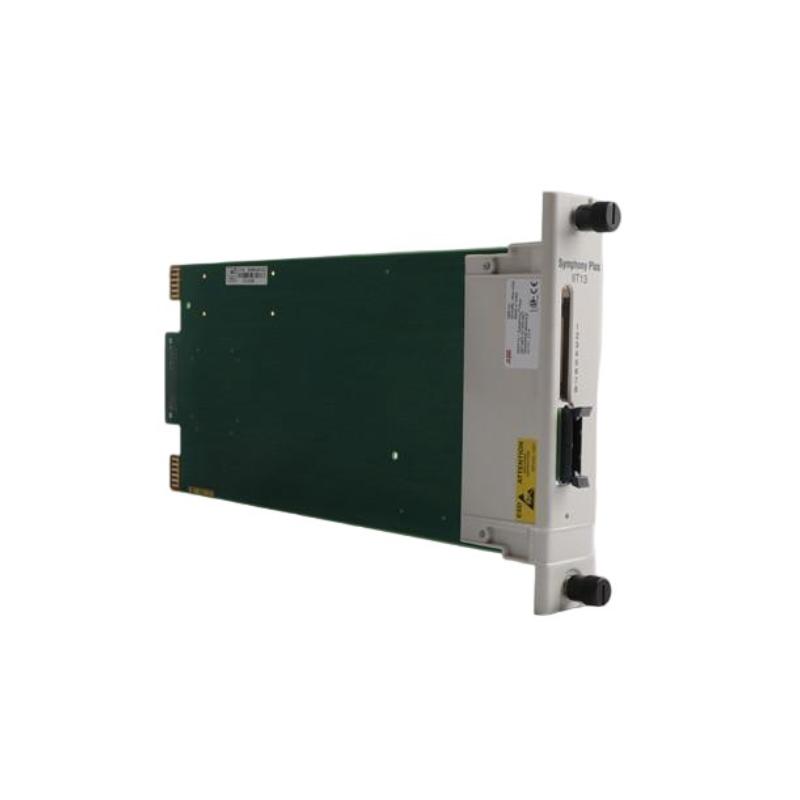
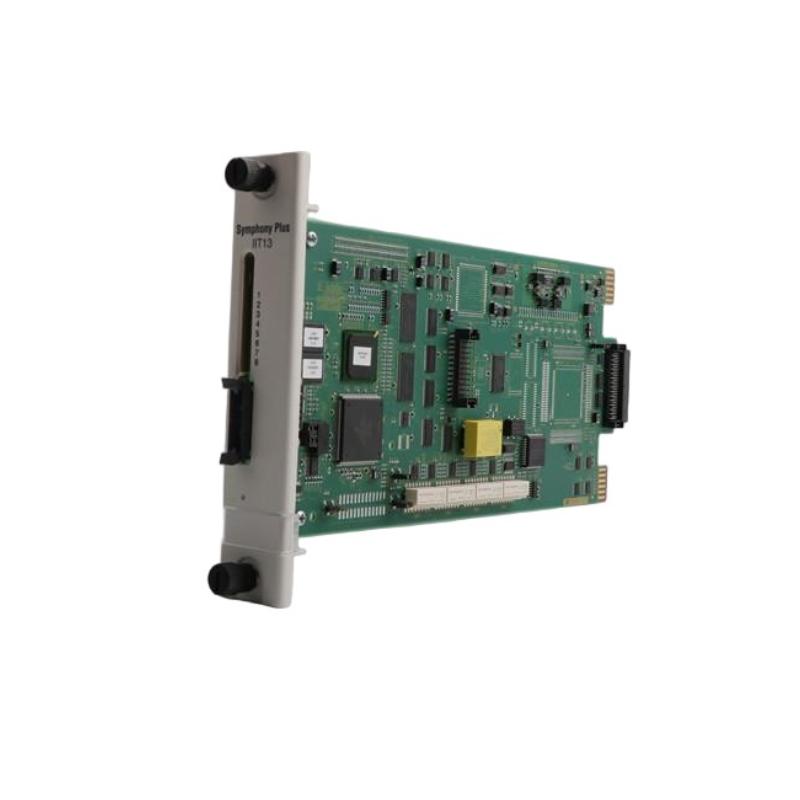
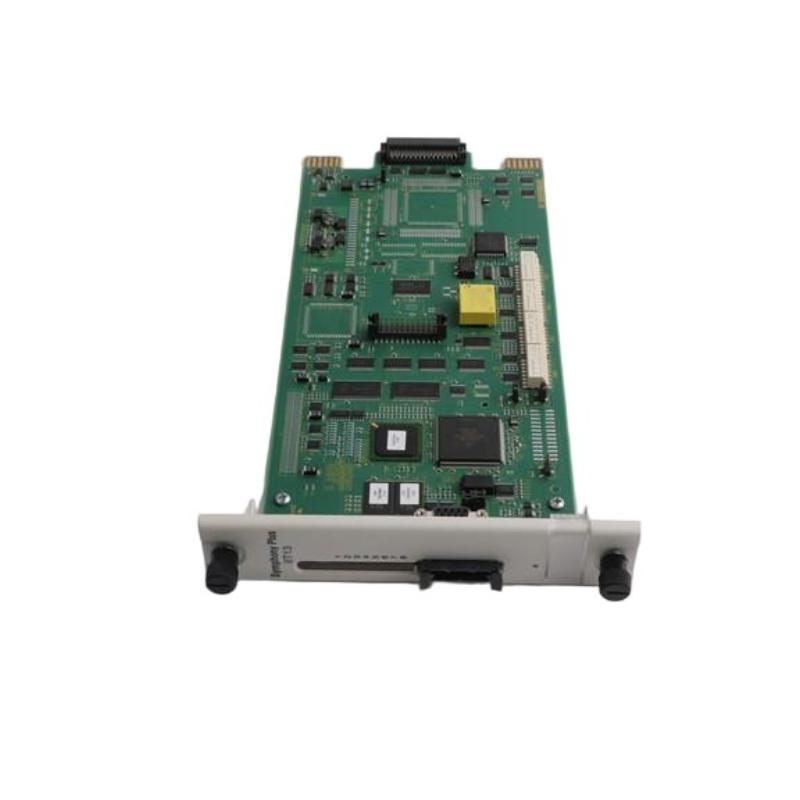
The ABB Bailey SPIIT13 Local Transmission Module is commonly used in industries that rely on complex control systems, where efficient and reliable data transmission is crucial. Typical applications include:
-
Industrial Automation: Facilitates the transmission of process control data between control systems and remote devices in manufacturing plants.
-
Process Control Systems: Supports real-time data acquisition from remote sensors, actuators, and control loops.
-
Oil & Gas: Ensures continuous communication between offshore platforms, remote terminals, and onshore operations.
-
Power Generation: Integrates control signals from distributed field devices to central control units, enabling efficient energy production and distribution.
-
Water Treatment: Assists in the operation of water treatment plants by facilitating communication between remote pumps, valves, and sensors.
This module ensures efficient communication in applications where fast, reliable data transmission is critical.
Advantages
-
High-Speed Communication: Supports high-speed data transfer, ideal for real-time control and monitoring in dynamic industrial environments.
-
Flexible Integration: Easily integrates with ABB Bailey DCS systems, providing seamless communication with various field devices.
-
Durable and Reliable: Designed to operate in harsh industrial environments with high reliability and low downtime.
-
Compact Design: Space-efficient, allowing easy installation within standard control panels or DIN rail systems.
-
Diagnostic Capabilities: Built-in diagnostics ensure the health of the communication network and module performance.
These advantages make the SPIIT13 a reliable and efficient choice for complex, distributed automation systems.
Technical FAQs
-
What is the function of the SPIIT13 Local Transmission Module?
It enables real-time data transmission between local control systems and remote field devices, ensuring seamless operation of control loops and monitoring systems.
-
What types of communication protocols does it support?
It supports standard industrial communication protocols that ensure compatibility with ABB Bailey DCS systems.
-
How is the module powered?
The SPIIT13 typically draws power from the central DCS power supply, but specific power requirements should be verified with the system configuration.
-
What is the typical mounting option for this module?
The module can be mounted on a standard DIN rail or directly in control panels.
-
Is the SPIIT13 module suitable for outdoor use?
The module has an IP20 rating, meaning it should be used in controlled, indoor environments. Additional protective housing may be required for outdoor applications.
-
What industries commonly use the SPIIT13?
It is widely used in industrial automation, process control, oil & gas, power generation, and water treatment.
-
What is the operating temperature range?
It operates within a temperature range of -20°C to 60°C.
-
How does it contribute to system diagnostics?
The module includes built-in diagnostics to monitor communication health and module performance, minimizing downtime.
-
How is data transferred?
Data is transferred via digital I/O channels to ensure accurate real-time data exchange between field devices and control systems.
-
Can the module be easily integrated with other ABB systems?
Yes, it is designed for seamless integration into ABB’s Bailey DCS systems and can be expanded with additional modules.
 A DCS Q Co., Ltd. - PLC and DCS Industrial Control Equipment Wholesale