Application Areas
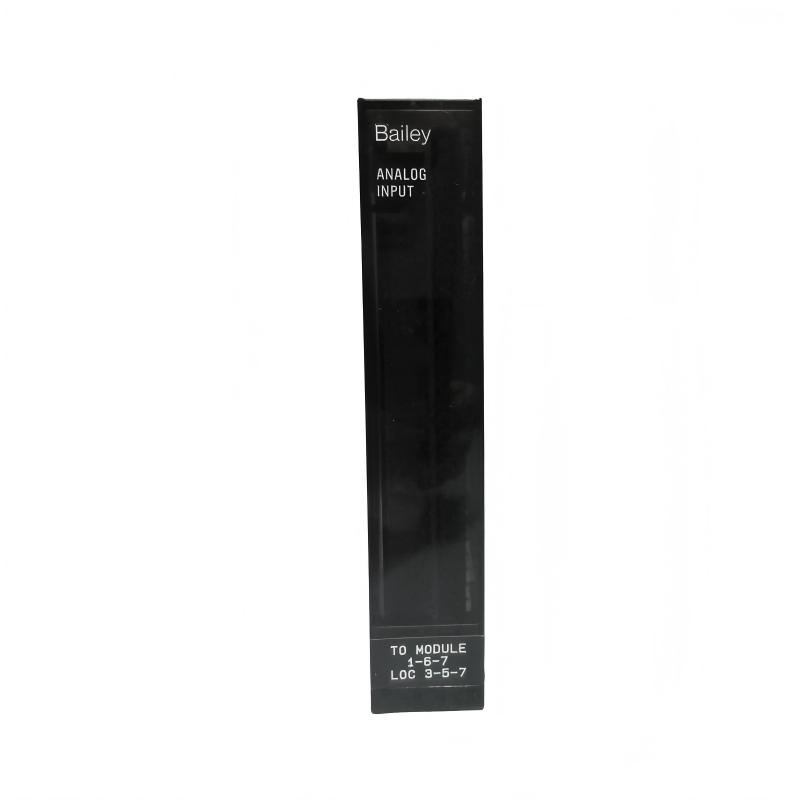
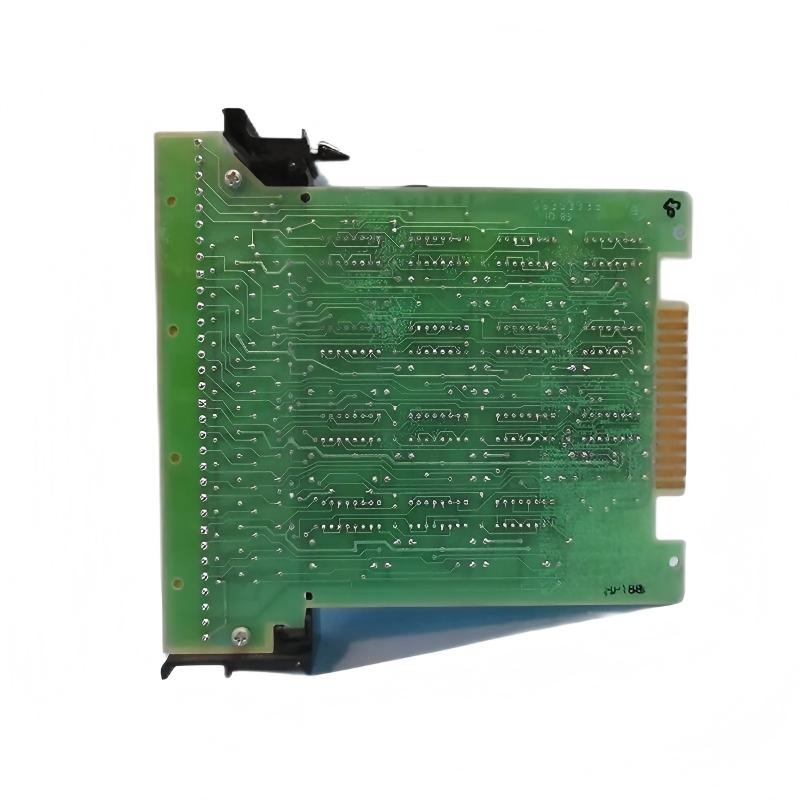
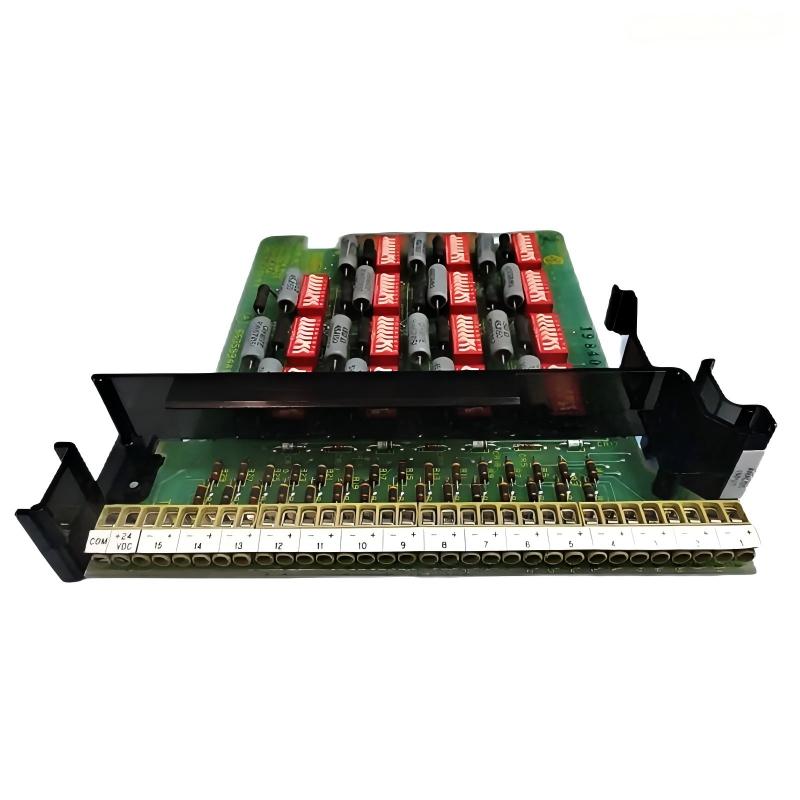
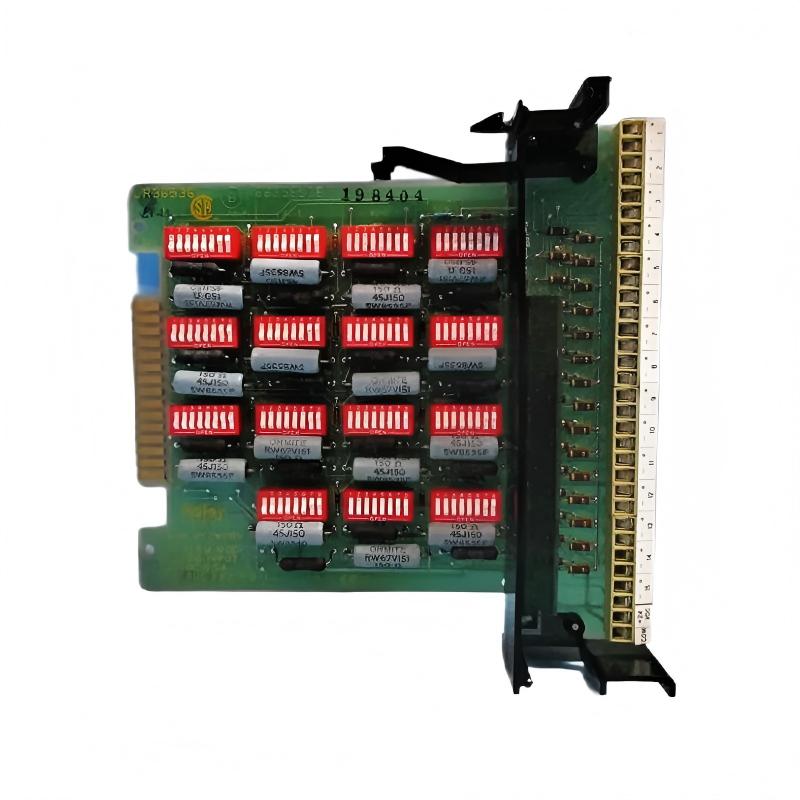
The NIAI01 is typically installed in systems that require structured analog input wiring for process measurements. Key application scenarios include:
-
Field Analog Signal Termination: Consolidating sensor cables (e.g., flow, pressure, temperature transmitters) before entering control racks
-
Process Control and Monitoring: Providing clean interface points for analog signals used in feedback loops and control logic
-
Distributed Control Systems: Supporting legacy Network 90/INFI 90 DCS analog acquisition architectures
-
Maintenance and Troubleshooting: Providing accessible termination points for field testing and diagnostics
By centralizing analog terminations, the module helps maintain signal quality and reduces wiring errors in complex industrial installations.
Advantages
-
Reliable Analog Connectivity: Provides a dedicated termination interface for field analog signals in legacy DCS installations
-
Compatible with Multiple Systems: Works across Network 90, INFI 90, and ABB Bailey legacy platforms
-
Structured Wiring: Supports clear organization of analog field cables, improving serviceability
-
Industrial‑Grade Design: Built for continuous operation in typical plant ambient conditions
-
Legacy System Support: Enables continued use of proven analog I/O infrastructure in long‑life control environments
These characteristics make the NIAI01 a practical module for structured analog input interfaces in established DCS architectures.
Technical FAQs
-
What is the primary function of the NIAI01 module?
It terminates and interfaces analog field signals into the Network 90/INFI 90 control infrastructure.
-
What signal types does it support?
Standard industrial analog sensors — typically 4–20 mA current loops and common voltage inputs; exact supported ranges depend on system termination specification.
-
Can it operate outside control cabinets?
It’s designed for installation within industrial enclosures or termination panels that support environmental protection.
-
Does it perform signal conversion?
The module provides termination and wiring interface; signal conversion is usually handled by downstream analog acquisition or processing modules.
-
Is it compatible with modern systems?
It is optimized for legacy Bailey Network 90/INFI 90 installations; compatibility with newer ABB platforms may require adapters or system engineering.
-
Does it provide diagnostics?
Status and fault reporting are typically managed at the controller or analog acquisition module level.
-
How does it enhance maintenance?
Centralized termination points make field‑to‑system wiring easier to trace and test.
-
Is external calibration supported?
Calibration access may be provided via associated termination and test access points in the field termination architecture.
-
Does it isolate field noise?
Proper termination and interface help maintain signal integrity; optical or galvanic isolation typically occurs in acquisition modules.
-
What industries use this module?
Process automation sectors such as petrochemical, power generation, water/wastewater treatment, and manufacturing.
 A DCS Q Co., Ltd. - PLC and DCS Industrial Control Equipment Wholesale