Application Scenarios
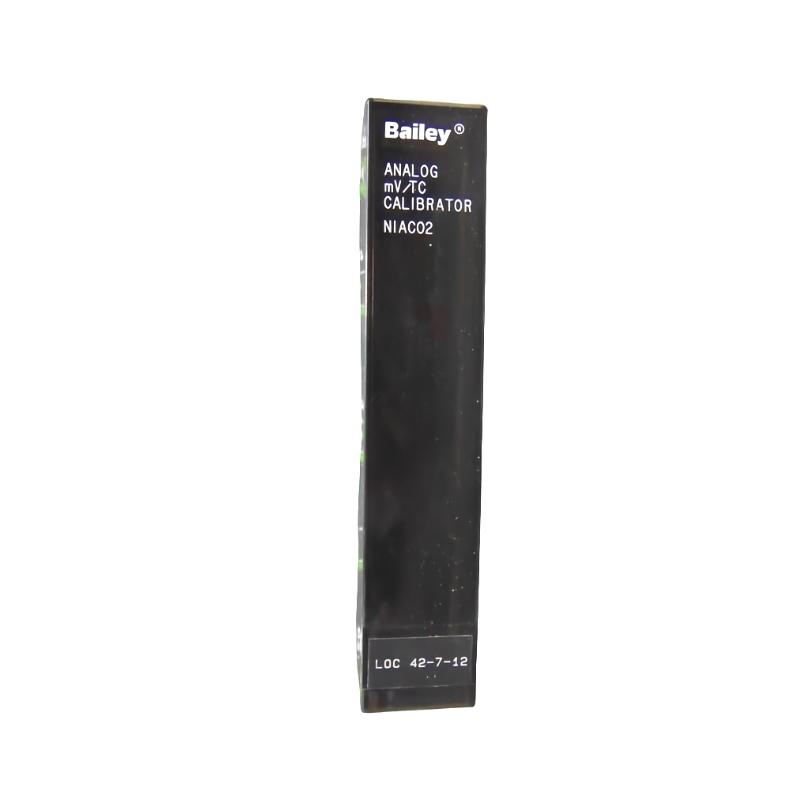
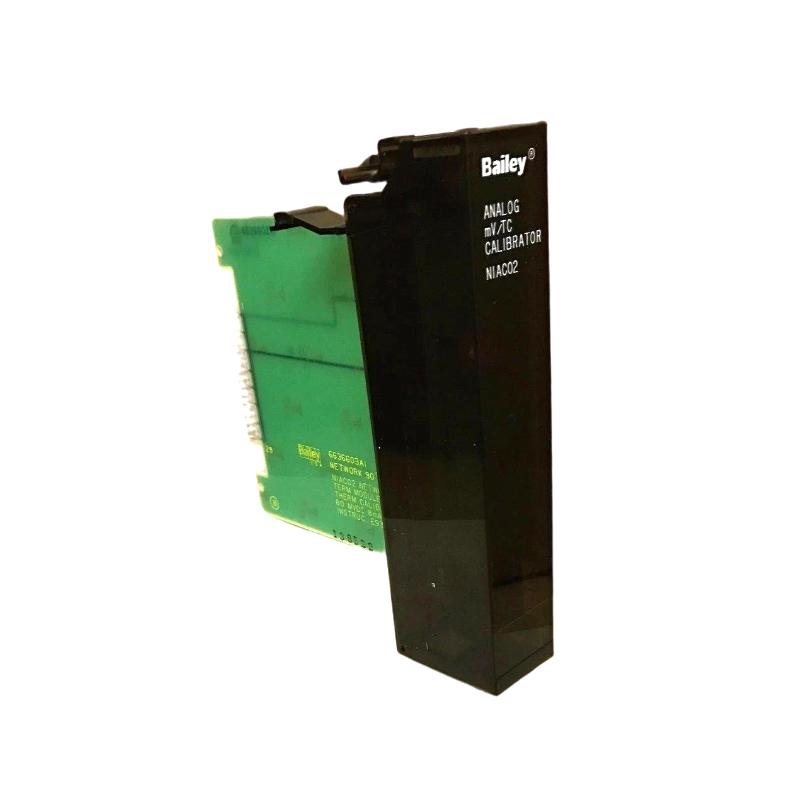
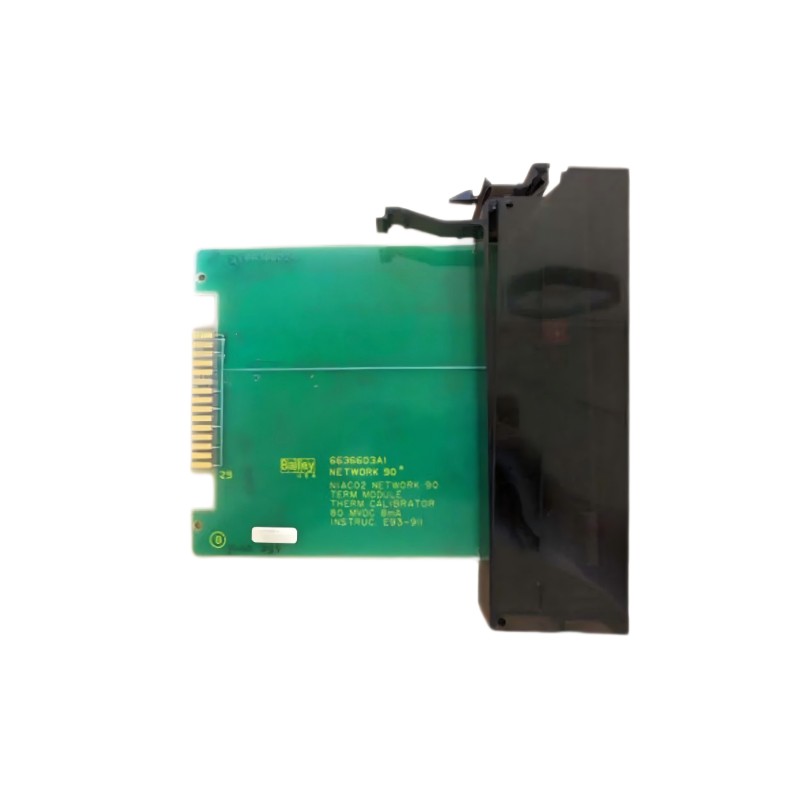
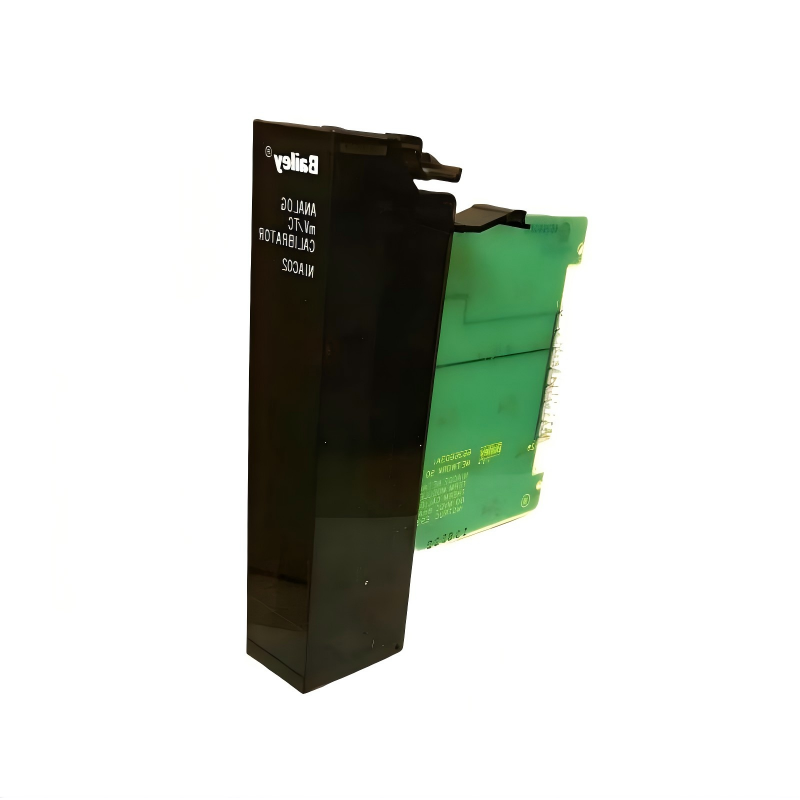
The NIAC02 Calibration Module is typically used in distributed control systems where precise analog measurement and periodic calibration are required. Typical use cases include:
-
Process Instrument Calibration: Facilitates calibration of thermocouple, RTD, current, or voltage inputs in analog slave channels.
-
Commissioning and Startup Validation: Supports calibration of analog measurement points against known reference standards before bringing systems online.
-
Maintenance and Field Verification: Provides a convenient calibration access point for field technicians to verify and adjust analog signal accuracy.
-
Integration with Master Modules: Works alongside analog master/termination hardware to ensure consistent, accurate data through the control system.
By integrating calibration capability into the termination layer, this module improves signal integrity and operational confidence.
Advantages
-
Calibration Interface Support: Offers clearly defined access for both internal and external calibration sources.
-
Improves Measurement Accuracy: Helps ensure analog input readings remain within acceptable tolerance ranges after installation or service.
-
Integrates Into DCS Wiring: Designed to fit within standard Bailey field termination panels and connect with analog termination modules.
-
Supports Standard Analog Signals: Used in systems handling thermocouples, RTDs, 4–20 mA loops, and voltage input types.
-
Industrial‑Ready: Engineered for rugged plant environments typical of process control installations.
These features make NIAC02 a useful tool during commissioning, calibration cycles, and periodic maintenance workflows in distributed analog measurement installations.
Technical FAQs
-
What is the core purpose of the NIAC02?
It provides a calibration access point within the analog input signal path for ABB Bailey systems, facilitating internal and external calibration.
-
Which DCS platforms is it used with?
ABB Bailey INFI 90, Network 90, and Symphony distributed control systems.
-
Does the module handle field analog signals?
It supports calibration and wiring interfaces — actual field signal termination is performed by dedicated analog termination units.
-
Can it be used during live operation?
Calibration is typically performed under controlled conditions or during commissioning; refer to system procedures.
-
Is special equipment required for calibration?
External precision calibration sources are used in conjunction with the module’s access terminals.
-
Does the module improve signal accuracy?
Yes — by enabling accurate calibration connections, it helps ensure consistent measurement performance.
-
Where is it physically installed?
It is mounted within field termination panels or racks as part of the analog input interface chain.
-
Does it require configuration?
No — calibration connections are hardware based; system configuration and calibration routines are managed by engineering tools.
-
What types of analog inputs are supported?
Typical analog input types include thermocouple, RTD, current, and voltage signals handled by analog slave/termination combinations.
-
Is this module essential for normal analog I/O operation?
It is optional — used where calibration access is desired; signal reading may function without it but calibration capability is limited.
 A DCS Q Co., Ltd. - PLC and DCS Industrial Control Equipment Wholesale