Application Areas
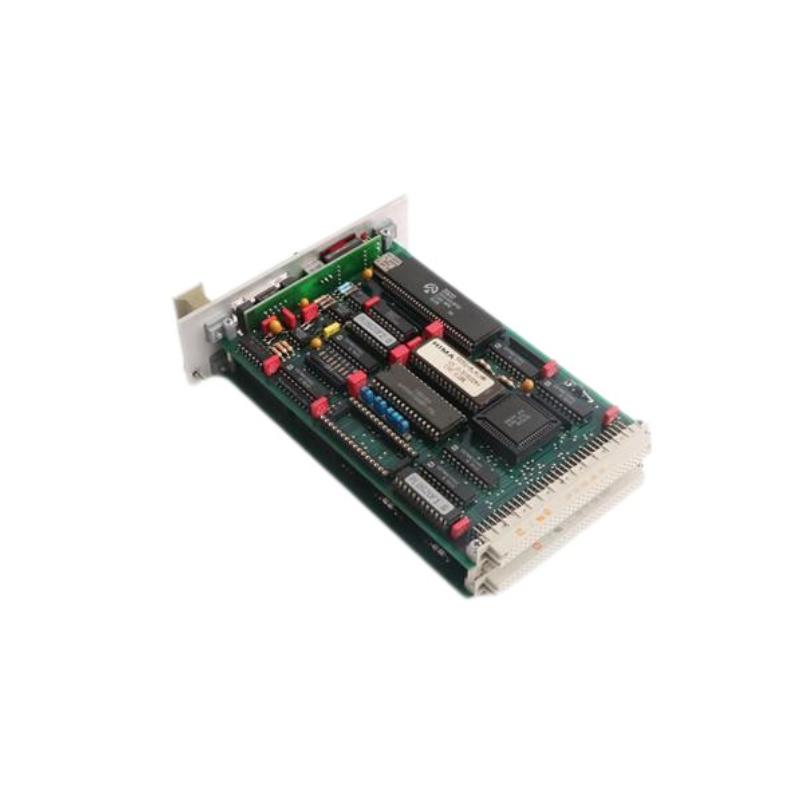
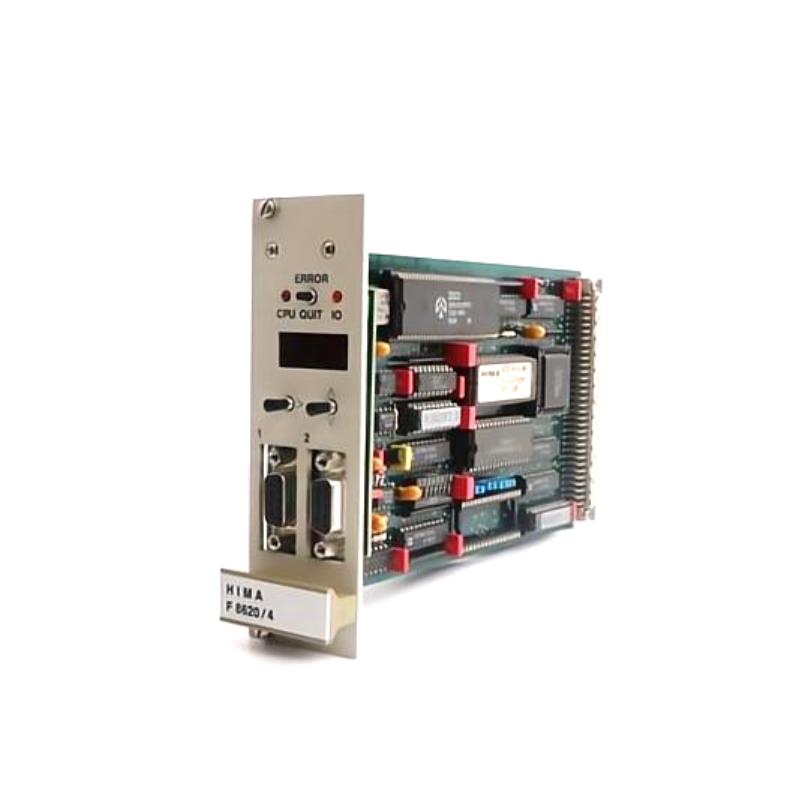
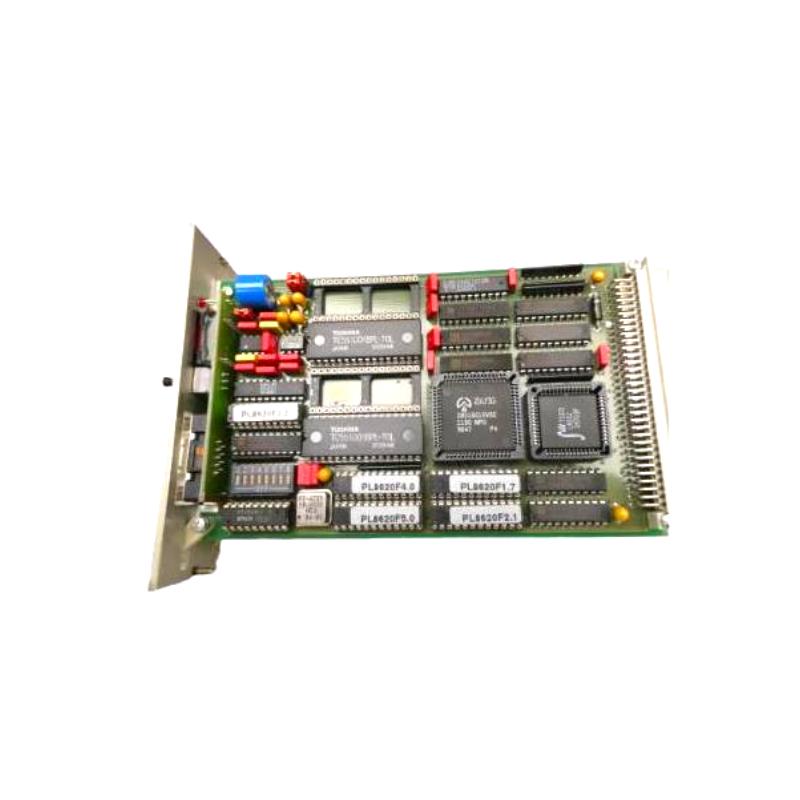
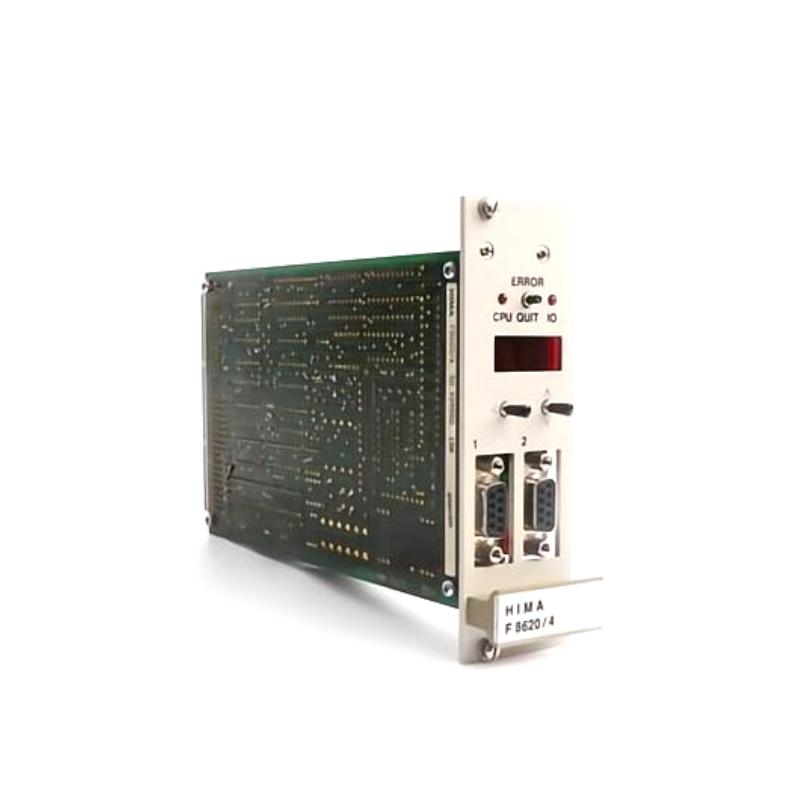
The HIMA F8620/4 CPU Module is widely used in settings where safety, alarm logic, and deterministic control are essential. Typical application environments include:
-
Safety Instrumented Systems (SIS): Primary logic engine for protective functions
-
Alarm and Notification Systems: Central coordination of alarm conditions and operator alerts
-
Process Plants: Refining, petrochemical, chemical processing, and LNG facilities
-
Power Generation: Turbine and auxiliary alarm logic and safety monitoring
-
High‑Reliability Manufacturing: Discrete automation with strict safety and uptime requirements
This module functions as the core logic engine that evaluates inputs, governs outputs, and distributes status information across the system.
Advantages
-
Deterministic Safety Logic: Consistent and reliable logic execution under all operating conditions
-
Redundancy‑Ready: Designed for dual CPU and high‑availability system configurations
-
Enhanced Diagnostics: Real‑time status indication and error logging support efficient maintenance
-
Industrial Durability: Built to withstand typical plant temperature and humidity ranges
-
Flexible System Integration: Compatible with modular I/O carriers for scalable system design
These strengths make the F8620/4 a solid choice for safety‑critical automation projects requiring long operational life and predictable behavior.
Technical FAQs
-
What is the primary role of the F8620/4?
It serves as the central logic processing module in HIMA Planar F safety and alarm systems.
-
Does this CPU support redundancy?
Yes, it is designed for inclusion in redundant CPU architectures that enhance system availability.
-
Which industries typically utilize this module?
Oil & gas, petrochemical, power generation, and other sectors where safety and alarm processing are critical.
-
How are I/O channels supported?
I/O support depends on the carriers and modules connected to the CPU.
-
Does the module provide diagnostics?
Yes, it supports real‑time status reporting and error logging for maintenance purposes.
-
Is programming required for use?
Yes, configuration and logic definition are performed using compatible HIMA engineering tools.
-
Can the CPU be serviced without system downtime?
In redundant configurations, maintenance can often occur without interrupting operation, depending on system design.
-
What is the operating temperature range?
Rated for typical industrial conditions from 0 °C to 60 °C.
-
Does it support modern network interfaces?
Yes, redundant bus and network interfaces enable integration into control and safety networks.
-
How does this improve system reliability?
By executing deterministic logic with built‑in diagnostics and supporting redundant architectures.
 A DCS Q Co., Ltd. - PLC and DCS Industrial Control Equipment Wholesale